
Blooming
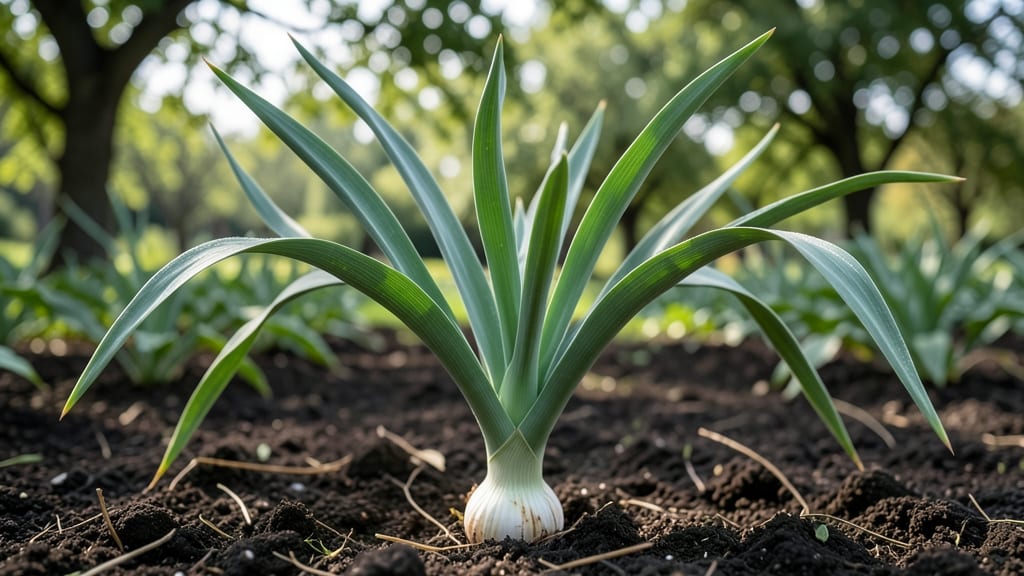
Pruning alliums before flowering is the game-changer for bigger blooms and sturdier stems 🌷 — a simple step that transforms your garden displays from good to spectacular.
Your allium plants are putting on a show—but what if you could make their stems sturdier and blooms even more dramatic? Pruning before flowering is the secret weapon gardeners use to transform average alliums into showstoppers.
Think of it as giving your plants a confidence boost. When you trim just the right parts at the right time, you’re not just shaping the plant—you’re directing its energy toward stronger growth and more impressive blooms.
Below, I’ll walk you through the exact timing, tools, and techniques to prune alliums for maximum impact, plus how to avoid common mistakes that could ruin your blooms.
When and how to prune alliums before flowering for maximum impact
Alliums are the unsung heroes of the late-spring garden, delivering bold, spherical blooms that last for weeks. But here's the secret: pruning before flowering can transform those average blooms into showstopping giants.
The key lies in timing—3-4 weeks before buds appear—when your alliums are still building energy for their floral display. This strategic trim redirects resources to thicker stems and larger flower heads, while avoiding the common mistake of pruning too late, which weakens the plant.
Why wait until you see buds? Alliums store energy in their basal leaves and lower stems. When you prune early, you're encouraging the plant to allocate more nutrients to the flower stalk rather than spreading energy across foliage.
Think of it like redirecting traffic—you're clearing the path for a bigger, more dramatic bloom. Plus, early pruning helps prevent stem flopping, a common issue with tall allium varieties like 'Globemaster' or 'Purple Sensation'.
Before you grab your shears, gather these essential tools: sharp bypass pruners (for clean cuts), sterilized scissors (if working with multiple plants), and gardening gloves (to protect against sap). Avoid dull tools—ragged cuts invite disease, and alliums are particularly susceptible to fungal issues when stressed.
Work on a dry, sunny morning when the plants are fully hydrated but the air is crisp, reducing the risk of spreading pathogens.
Step-by-Step Pruning Guide for Alliums
- Step 1: Identify the Pruning Zone
Locate the lowest set of leaves on the flower stalk. This is your cutting point—aim to remove 1/3 of the foliage from the bottom. For example, if your allium has 6 leaves, remove 2 leaves from the base. - Step 2: Make the Cut
Use clean, sharp pruners to cut just above a leaf node (the bump where leaves emerge). Angle the cut 45 degrees downward to prevent water pooling. Avoid cutting into the flower bud or stem—this weakens the plant. - Step 3: Remove Only the Lower Leaves
Leave the upper 2/3 of foliage intact to continue photosynthesizing. Focus on yellowing or damaged leaves first—these are already draining energy from the plant. - Step 4: Disinfect Tools Between Plants
Wipe pruners with 70% isopropyl alcohol or a bleach solution (1 part bleach to 9 parts water) to prevent spreading bacterial or fungal diseases like Allium leaf blight. - Step 5: Monitor for 2 Weeks
After pruning, watch for new leaf growth from lower nodes. If you see wilted stems or yellowing, reduce watering slightly—overwatering stresses pruned plants.
Timing is everything, and 3-4 weeks before flowering is your sweet spot. To determine when to prune, track your alliums' growth cycle. Start by noting when shoots emerge in spring (typically March-April in USDA Zone 6a).
Count backward 8-10 weeks from your expected bloom date—this is your pruning window. For example, if your 'Mount Everest' alliums bloom in late May, prune in early April.
Not all allium varieties respond equally to pruning. Tall, globe-shaped varieties like 'Globemaster' (36-inch stems) benefit the most, while smaller types like 'Purple Sensation' (12-inch stems) may only need minimal trimming.
Avoid pruning alliums with seed heads—these are past their prime and won't recover. Instead, focus on healthy, vigorous plants with firm stems and green foliage.
What happens if you prune too late? The risk is stem weakness and smaller blooms. Alliums rely on their foliage to fuel flower production, so removing too much too close to blooming leaves them energy-depleted.
You might end up with floppy stems or puny blooms, defeating the purpose. Worse, late pruning can delay flowering by 2-3 weeks, pushing your display into hotter months when pollinators are less active.
After pruning, give your alliums a boost with balanced fertilizer (5-10-10 NPK ratio). Apply 1 tablespoon per plant around the base, 2 inches from the stem, to avoid burning the roots. Water deeply but infrequently—1 inch per week—to encourage root growth and nutrient uptake.
Mulch with 2 inches of compost or straw to retain moisture and regulate soil temperature, especially in hot climates.
Pruned alliums often rebound with thicker stems and larger blooms—some gardeners report 20-30% bigger flower heads after proper timing. The trade-off? You might see fewer but more dramatic blooms per stalk. For example, a 'Globemaster' might produce one massive 6-inch globe instead of two 4-inch globes.
If you're growing alliums for cut flowers, this trade-off is worth it—the stems become sturdier and longer-lasting in arrangements.
Pro tip: Pair pruning with staking for tall varieties. Insert 3-foot bamboo stakes near the plant at pruning time, tying the main stem with soft garden twine as it grows.
This prevents stem flopping and ensures your showstopping blooms stay upright for weeks. Combine this with deadheading spent blooms to encourage a second, smaller flush of flowers later in the season.
Allium pruning mistakes that ruin your blooms (and how to fix them)
Pruning alliums before flowering is like giving them a backstage pass to perform better on opening night.
But when done wrong, even the best intentions can backfire—leaving you with weak stems or stunted blooms. Common mistakes like cutting too late or removing too much foliage can turn your showstopper into a flop.
I’ve seen gardeners accidentally stress their plants by pruning at the wrong time, only to watch their blooms struggle to reach full potential. The good news? Most of these mistakes are reversible with the right approach. Let’s dive into the most frequent errors and how to recover from them.
One of the biggest mistakes is pruning too late in the season. If you wait until buds are already forming, you’re cutting off the plant’s chance to redirect energy toward stronger growth.
The ideal window is 3-4 weeks before flowering, when the stem is still short but firm. This gives the plant time to recover and redirect nutrients toward bigger blooms.
Another common error is using dull or dirty pruners. Ragged cuts can introduce disease and stress the plant further. Always use sharp, sterilized shears and make clean cuts at a 45-degree angle just above a leaf node.
If you’ve already made messy cuts, trim them back to a clean point and apply a fungicide treatment to prevent infection.
Over-pruning foliage is another silent bloom killer. Alliums rely on their leaves to photosynthesize and build energy for flowering. If you’ve accidentally removed too much, don’t panic—apply a balanced fertilizer (like 5-10-10) and ensure the plant gets full sun and consistent watering.
This helps the remaining leaves work overtime to compensate.
If your alliums are already showing signs of stress—like yellowing leaves or weak stems—reduce watering slightly and focus on mulching around the base to retain moisture without overfeeding the roots.
With a little TLC, many alliums can bounce back and still produce stunning blooms, just a few weeks later than expected.
Finally, avoid the temptation to prune for aesthetics too early. Alliums look best when left unpruned until the right moment. If you’ve already made the mistake of early pruning, simply stop cutting back and let the plant focus on regrowing.
Your blooms might not be as large, but they’ll still be vibrant and healthy.