
Blooming
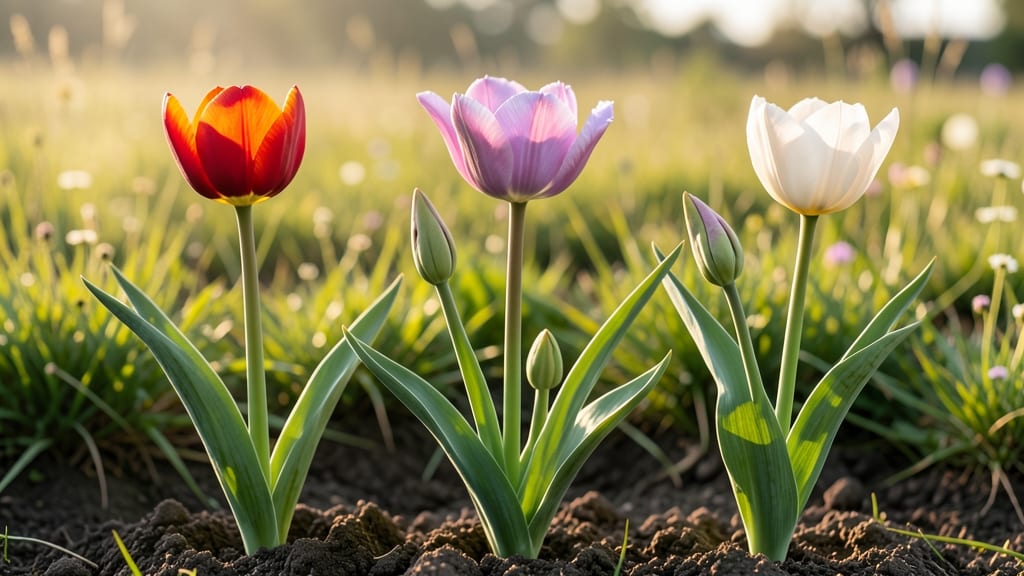
The tulip flower blooming season arrives when spring’s chill finally gives way to warmth, transforming gardens into bursts of color 🌷 — but the exact timing depends on where you live and which varieties you’ve planted.
Picture this: you’ve waited months for your tulips to bloom, only to find your neighbors’ gardens already in full color. That’s the frustration of planting too late—or too early—and missing the show.
The good news? With the right timing, you can sync your tulips’ peak bloom with your local spring, ensuring a dazzling display that lasts for weeks.
From the earliest March bloomers like ‘Ice Follies’ to late-season stars like ‘Black Parrot,’ each tulip variety has its own schedule. Climate, planting depth, and even soil temperature play a role in whether your bulbs wake up on time.
Below, I’ll break down the exact months for your region, plus pro tips to extend your tulip season and keep those blooms coming year after year.
You’ll learn how to adjust planting dates for your USDA zone, spot the first signs of blooming, and even force tulips indoors for off-season color. No more guessing—just a foolproof plan to turn your garden into a tulip paradise when it matters most.
Exact tulip blooming months by US climate zone (with planting adjustments)
Timing is everything when it comes to tulip blooming seasons. In USDA zones 3-10, blooms can arrive as early as March in cold climates or stretch into May in warmer southern regions. The key?
Adjusting your planting dates based on your zone ensures you catch the full spectrum of colors from ‘Ice Follies’ to ‘Black Parrot’. Let’s break it down so you can plan for a showstopping display every spring.
Tulips are perennial plants that thrive in cool weather, making them perfect for early spring gardens.
However, their blooming windows vary dramatically across the U.S. For example, gardeners in zone 3 might see their first tulips in late April, while those in zone 10 could enjoy blooms as early as February. The secret to extending your season?
Choose the right varieties and tweak your planting schedule by just a few weeks.
| USDA Zone | Typical Bloom Month | Early Variety Example | Late Variety Example | Planting Adjustment |
|---|---|---|---|---|
| Zone 3-4 | Late April - Early May | ‘Ice Follies’ (white) | ‘Queen of Night’ (deep purple) | Plant bulbs in October for earliest blooms |
| Zone 5-6 | Mid-April - Mid-May | ‘Darwin Hybrid’ (red) | ‘Black Parrot’ (dark red) | Plant in late September for extended season |
| Zone 7-8 | March - Early April | ‘Paperwhite’ (indoor forcing) | ‘Apeldoorn’ (red/yellow) | Plant in November for February blooms |
| Zone 9-10 | February - March | ‘Greigii’ (orange/yellow) | ‘Fosteriana’ (orange-red) | Plant in December for earliest spring color |
🌷 Note: Adjust planting dates 2-4 weeks earlier for cooler microclimates or later for warmer areas within each zone.
If you’re in USDA zones 3-4, focus on early-blooming varieties like ‘Ice Follies’ to catch the first waves of color in late April. These hardy tulips handle frost and even light snow, making them ideal for northern gardens.
Plant your bulbs in October—about 6-8 weeks before the ground freezes—to give roots time to establish before winter. For a longer season, mix in ‘Queen of Night’, which blooms in early May and adds dramatic contrast with its deep purple hue.
Gardeners in zones 5-6 have the advantage of a 6-week bloom window from mid-April to mid-May. To maximize this, plant Darwin Hybrid tulips in late September for robust early blooms, followed by ‘Black Parrot’ in early October for a late-season showstopper.
These varieties thrive in cooler temperatures and produce large, long-lasting flowers. Just be sure to plant them in well-draining soil to prevent bulb rot, especially in wet springs.
For those in zones 7-8, tulips can bloom as early as March, thanks to milder winters. Take advantage of this by planting Paperwhite tulips in November for indoor forcing—perfect for holiday displays. Outdoors, ‘Apeldoorn’ tulips will add cheerful red and yellow blooms in early April.
Since these zones experience warmer winters, you can push your planting window later, but avoid planting after December to prevent premature sprouting.
In zones 9-10, tulips often bloom in February, making them a welcome splash of color in the heart of winter. ‘Greigii’ and ‘Fosteriana’ varieties are excellent choices, as they thrive in cooler winter climates.
Plant these bulbs in December to ensure they bloom before the heat of summer arrives. In these warmer zones, shade from afternoon sun can help prolong bloom time, so consider planting tulips near trees or structures that provide partial shade.
Pro tip: To extend your tulip season, layer your planting schedule. Start with early varieties in late summer or early fall, then add mid-season bloomers in late fall, and finish with late varieties in early winter.
This staggered approach ensures continuous color from March through May, no matter your zone. Just remember, tulips need 6-8 hours of sunlight daily and well-draining soil to perform their best.
Don’t forget about post-bloom care to keep your tulips healthy for next year. After blooming, leave the foliage intact until it yellows and dies back naturally—this ensures the bulb stores energy for future seasons.
Once the leaves fade, you can cut back the stems but avoid digging up the bulbs unless you’re relocating them. A light spring fertilizer with a 5-10-10 NPK ratio will encourage strong growth and vibrant blooms next year.
With these zone-specific planting adjustments, you’ll transform your garden into a tulip paradise that blooms on schedule every year.
Whether you’re chasing the first signs of spring in zone 3 or extending the season into May in zone 10, the right varieties and timing will guarantee a showstopping display that turns heads—and maybe even a few jealous glances from neighbors! 🌿
How to extend your tulip season: forcing techniques for indoor blooms
Why wait for spring when you can enjoy tulips in bloom year-round? Forcing tulips indoors is a simple way to bring vibrant color to your home during holidays or special occasions.
Whether you’re planning a Christmas display or a Valentine’s Day gift, these techniques will trick your bulbs into blooming outside their natural season.
Forcing works best with paperwhite tulips or hybrid tulips like ‘Apeldoorn’ and ‘Darwin Hybrid’ varieties. The key is controlling temperature, light, and water to mimic the chilling period tulips need before blooming. With the right approach, you’ll have fresh-cut flowers indoors in just 4-6 weeks.
Step-by-Step Guide to Forcing Tulips Indoors
- Step 1: Choose the Right Bulbs
Select firm, plump bulbs (paperwhites or hybrid tulips). Avoid bulbs that are soft, moldy, or have sprouted shoots. - Step 2: Pre-Chill the Bulbs
Place bulbs in a cool, dark location (like a refrigerator) for 10-12 weeks at 35-45°F to simulate winter. - Step 3: Prepare Your Container
Use a shallow container (like a vase or bowl) with pebbles or marbles at the bottom for drainage. - Step 4: Add Water
Fill the container with lukewarm water until the bottom 1/3 of the bulb is submerged. Avoid overwatering. - Step 5: Position the Bulbs
Place bulbs neck-down in the container, ensuring they’re not touching each other or the sides. - Step 6: Provide Light
Move the container to a bright, indirect light spot (like a south-facing window). Avoid direct sunlight. - Step 7: Maintain Water Levels
Check water daily and top off as needed to keep bulbs submerged. Discard bulbs if water becomes cloudy or foul-smelling. - Step 8: Enjoy the Blooms
Tulips should sprout in 2-3 weeks and bloom in 4-6 weeks. Cut stems for vases or enjoy indoors!
Forcing tulips is a low-maintenance process, but timing is critical. Start pre-chilling bulbs in October or November for Christmas blooms or January for Valentine’s Day. Avoid forcing bulbs meant for outdoor planting—they won’t rebloom well.
Pro tip: Use clear glass containers to showcase the root growth as a unique decorative touch. Just ensure the water stays clean to prevent bacterial growth. With these steps, you’ll have indoor tulips that rival outdoor gardens!
Once your tulips bloom indoors, enjoy them quickly—they’re best as cut flowers and won’t last long after opening. For future forcing, store unused bulbs in a cool, dry place until next season. Happy forcing! 🌷