
Plants
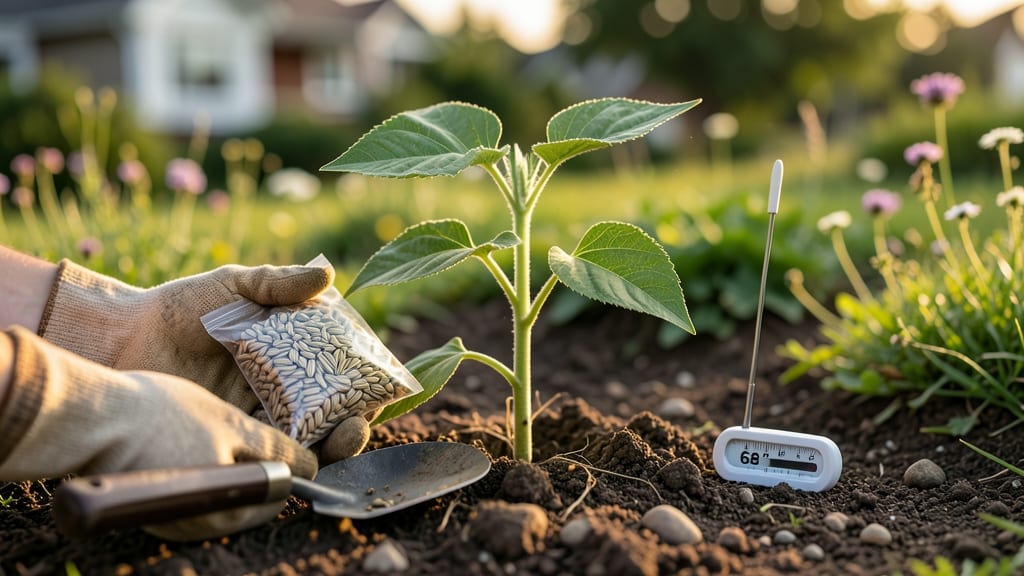
Planting sunflower seeds in Arkansas after the last frost — typically mid-April — unlocks their full potential for towering 12-foot stalks 🌻.
Sunflowers aren’t just beautiful—they’re Arkansas’s fastest-growing giants, reaching heights of 12 feet or more! But timing your planting wrong could mean stunted growth or early frost damage.
In USDA Zone 7a, where last frosts linger until March 15, waiting until soil warms to 60°F ensures strong root development before summer’s heat arrives.
Below, I’ll break down the exact planting windows for Arkansas’s tallest varieties, soil prep tips, and how to extend the growing season for maximum height.
Optimal Arkansas sunflower planting deadlines by variety height
Growing giant sunflowers (10+ feet) in Arkansas’s USDA Zone 7a means timing your planting to avoid early frost damage while maximizing height potential. The last spring frost typically occurs around March 15, but soil temperature must reach 55°F (13°C) for optimal germination.
Tall varieties like 'Mammoth' (12-14 ft) or 'Russian Giant' (10-12 ft) need extra care to reach their full potential.
For maximum stalk height, plant seeds after the last frost but before June 1. Arkansas’s short growing season (about 180 frost-free days) demands precise timing.
Late plantings risk stunted growth, while early sowings may produce leggy, weak stalks. Soil should be well-draining and amended with compost to support rapid vertical growth.
Here’s your Arkansas sunflower planting timeline by variety height, including soil temperature thresholds and last safe planting dates to avoid frost:
| Variety | Mature Height | Optimal Planting Window | Soil Temp Threshold | Last Safe Planting Date |
|---|---|---|---|---|
| Mammoth | 12-14 ft | April 15 - May 10 | 55°F (13°C) | May 20 |
| Russian Giant | 10-12 ft | April 1 - May 15 | 50°F (10°C) | June 1 |
| Autumn Beauty | 8-10 ft | April 10 - May 20 | 50°F (10°C) | June 5 |
| Serenity | 6-8 ft | April 1 - June 1 | 45°F (7°C) | June 15 |
For tallest sunflowers, prioritize 'Mammoth' or 'Russian Giant' varieties and plant them no later than May 10. These giants need at least 100 days of warm weather to reach their full height, so avoid late sowings.
Use a soil thermometer to confirm temperatures meet the 50-55°F (10-13°C) threshold before planting.
Arkansas’s microclimates vary—northern regions (like Bentonville) have shorter seasons, while southern areas (like Little Rock) can extend the window slightly. Adjust planting dates 1-2 weeks later in cooler northern zones. Always choose a south-facing location to maximize sunlight exposure for towering growth.
After sowing, maintain consistent moisture (1-2 gallons per plant every 3-5 days) and avoid over-fertilizing, which can weaken stalks. For extra height, stake 12+ ft varieties with 3-foot bamboo stakes tied at the base.
Mulch with straw to retain soil moisture and prevent heat stress during Arkansas’s summer heatwaves.
If you miss the ideal window, consider succession planting with shorter varieties like 'Autumn Beauty' (8-10 ft) for late summer blooms. These tolerate cooler soils and still reach impressive heights.
Always monitor local frost forecasts—Arkansas’s first frost can arrive as early as November 1, cutting short tall varieties’ growth.
For maximum height, pair early planting with rich, loamy soil and full sun exposure. Test your soil’s pH (ideal: 6.0-7.0) and amend with compost if needed. Giant sunflowers are drought-tolerant once established, but consistent watering in their early stages ensures robust stalk development.
Remember: Arkansas’s short growing season demands precision. Plant after the last frost, use warm soil, and choose tall varieties with care. With the right timing, you’ll grow sunflowers that
How to extend sunflower growing season in Arkansas’s short summers
Arkansas’s USDA Zone 7a summers are short—just 180 frost-free days—but with the right strategies, you can coax towering 12-foot sunflowers to thrive until late fall. The key lies in delaying frost damage while maximizing growth.
By combining soil warming techniques, succession planting, and cold-hardy varieties, you can push your sunflowers to reach their full height potential.
Sunflowers are annuals in Arkansas, meaning they complete their life cycle in one season. However, their growth rate (up to 4 inches per day) makes them perfect for extending your garden’s productivity.
The challenge? Arkansas’s first frost typically arrives around November 15, cutting short the growing season for late bloomers. Here’s how to beat the clock.
- ✅ Use black plastic mulch to warm soil 5-10°F warmer than bare ground. Lay it down 2 weeks before planting to jumpstart growth.
- ✅ Plant cold-hardy varieties like 'Autumn Beauty' or 'Russian Giant', which tolerate 28°F and extend blooming until first frost.
- ✅ Succession plant every 2 weeks from April to June for staggered harvests. Start with dwarf varieties first, then taller types.
- ✅ Harvest seeds early by cutting heads when back petals turn brown (late August-September) to preserve seeds before frost.
- ✅ Protect late-season plants with row covers or cloches when night temps drop below 40°F.
One of the most effective ways to extend your sunflower season is by warming the soil before planting. Arkansas’s last frost date averages March 15, but soil often stays too cold for optimal germination. Use black plastic mulch or straw mulch to raise soil temperatures by 5-10°F.
This allows you to plant 2-3 weeks earlier than usual, giving your sunflowers a head start. For even faster results, consider using a soil warming mat in early spring.
Choosing the right sunflower varieties is critical for extending your growing season. Opt for cold-hardy types like 'Autumn Beauty' or 'Russian Giant', which can tolerate temperatures as low as 28°F.
These varieties also produce larger seed heads and bloom later in the season, pushing your harvest window closer to frost. For shorter seasons, dwarf varieties like 'Teddy Bear' mature faster and can be planted in late May or early June for a second flush of blooms.
Succession planting is another game-changer for Arkansas gardeners. Instead of planting all your sunflower seeds at once, space out plantings every 2 weeks from mid-April to early June. Start with dwarf or semi-dwarf varieties first, followed by taller types.
This staggered approach ensures you’ll have sunflowers in bloom from July through October, maximizing your garden’s visual impact and productivity. It also reduces the risk of pest outbreaks, as different plantings mature at different times.
When frost finally arrives, don’t let your sunflower seeds go to waste! Harvest seed heads by cutting them when the back of the petals turns brown (typically late August to September). Hang the heads upside down in a dry, well-ventilated area to finish drying.
Once fully dry, rub the seeds out and store them in a cool, dark place for next year’s planting. This ensures you’ll have fresh seeds ready for your next extended growing season.
With these techniques, you can turn Arkansas’s short summers into a sunflower lover’s paradise, enjoying towering stalks and vibrant blooms well into fall. The key is planning ahead, warming the soil, and choosing the right varieties—then sitting back to watch your sunflowers reach their full potential.
Happy gardening! 🌻