
Flowers
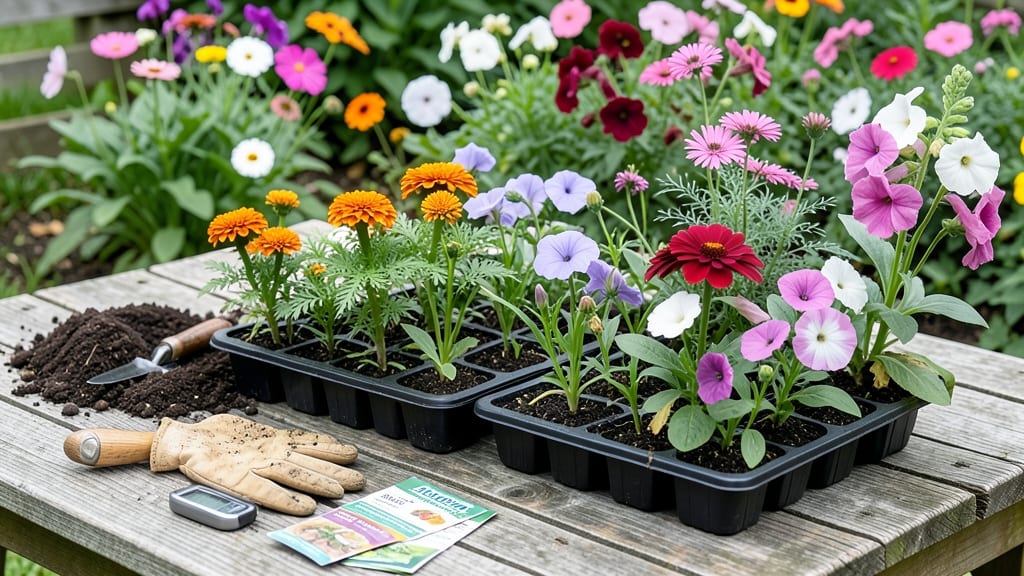
Planting flower seeds in Wisconsin at the right time means the difference between a garden bursting with color and one that never gets off the ground.
Timing is everything in Wisconsin gardening—plant flower seeds too early, and frost will kill your dreams before they bloom. Too late, and you’ll miss the summer display you crave. Here’s your zone-by-zone guide to mastering the perfect planting window for vibrant annuals, perennials, and cold-hardy blooms.
Wisconsin’s USDA Zones 3–5 mean frost dates vary wildly, from late April in the south to early June in the north. That’s why knowing your last frost date—and when to start seeds indoors—is the key to avoiding disappointment.
In this guide, you’ll discover the exact months to sow your favorite flowers, how to prep soil for success, and even tricks to extend your growing season. No more guessing—just strong starts and blooms that last.
Wisconsin last frost dates by Zone: critical planting windows for flower seeds
Wisconsin’s USDA hardiness zones 3–5 create distinct planting windows for flower seeds, where last frost dates separate success from disappointment. In my experience, Zone 3 (northern WI) faces the harshest conditions, while Zone 5 (southern WI) enjoys a longer growing season.
Understanding these zones helps you time indoor seed starts and direct sowing perfectly for annuals like cosmos and perennials like black-eyed Susans.
For Zone 3, the average last frost date falls between May 10–20, while Zone 4 sees frost-free conditions by May 1–10. Zone 5 gardeners can start planting as early as April 20–May 1.
These dates shift slightly yearly, so always check your local Almanac or Extension Office for precise timing. In my garden, I’ve learned that cosmos thrive when planted after May 15, while snapdragons can handle earlier sowings.
Indoor seed starting is your secret weapon for beating Wisconsin’s unpredictable spring. Begin 6–8 weeks before your last frost date—so for Zone 3, that’s late March, while Zone 5 gardeners can start mid-February. Use grow lights to prevent leggy seedlings, and maintain 65–75°F soil temps for optimal germination. I swear by heat mats for cold-sensitive seeds like petunias and geraniums.
Direct-sowing annual flowers should wait until soil temps reach 50°F+ and nighttime temps stay above 45°F. In my Zone 4 garden, I test soil with a thermometer and only plant marigolds or nasturtiums after May 10.
For perennials, like coneflowers or bee balm, sow seeds 2–3 weeks before your last frost—they’re tougher and can handle cooler soils.
Early bloomers like sweet alyssum and pansies can often survive light frosts, making them ideal for early spring sowings (Zone 5: April 15; Zone 3: May 1). Meanwhile, late-season stars such as zinnias and cosmos should wait until after June 1 to avoid bolting in Wisconsin’s heat. I’ve found that succession planting every 2 weeks ensures continuous blooms from June through September.
| Zone | Avg. Last Frost | Indoor Start (Weeks Before) | Direct Sow After | Best Early Bloomers | Best Late Bloomers |
|---|---|---|---|---|---|
| 3 | May 10–20 | 6–8 weeks (late March) | May 20–June 1 | Sweet Alyssum, Pansies | Cosmos, Zinnias |
| 4 | May 1–10 | 6 weeks (mid-March) | May 10–15 | Snapdragons, Lobelia | Marigolds, Sunflowers |
| 5 | April 20–May 1 | 8 weeks (mid-February) | April 20–May 1 | Violas, Calendula | Black-Eyed Susans, Dahlia |
Don’t overlook fall planting for biennials and hardy perennials like foxglove or hollyhocks. Sow seeds 6–8 weeks before your first frost (typically August–September in WI). These plants establish roots in fall and burst into bloom the following year.
I’ve had great success with lupines planted in late August—they handle Wisconsin’s early frosts like champions.
For Zone 3 gardeners, consider row covers or cold frames to extend your season by 2–3 weeks. I use floating row covers to protect tender seedlings like <
Best flower seeds to plant by month in Wisconsin: month-by-month guide
Wisconsin’s variable climate means your flower garden’s success hinges on timing. Start seeds too early, and frost will nip them in the bud. Wait too long, and you’ll miss the summer bloom parade. The key is matching cold-hardy varieties to early months and heat-loving flowers to late starts.
From March’s first peeks of spring to August’s final sowings, each month offers unique opportunities. Below, I’ve broken down the best flowers to plant month-by-month, including planting depths, spacing tips, and Wisconsin-specific advice to maximize your garden’s potential.
- March: Start snapdragons and sweet alyssum indoors (6-8 weeks before last frost). These cold-tolerant annuals thrive in Wisconsin’s cool springs.
- April: Direct-sow pansies and violas outdoors once soil reaches 45°F. They handle light frosts and bloom early.
- May: Plant calendulas and nasturtiums outdoors after last frost (typically mid-May). Space 12-18 inches apart for full blooms.
- June: Sow zinnias and cosmos for late-summer color. These heat-lovers need full sun and well-draining soil.
- July: Add marigolds and sunflowers for bold accents. Plant marigolds 1 inch deep and sunflowers 1-2 inches deep.
- August: Try bachelor’s buttons (cornflowers) for fall interest. Sow 1/4 inch deep in warm soil for late blooms.
For perennials, divide and transplant daylilies or coneflowers in early spring (March-April) or early fall (September). These tough Wisconsin natives return year after year with minimal fuss.
Pro tip: Use row covers for early sowings in March-April to protect tender seedlings. Remove covers once plants are 2-3 inches tall to avoid overheating. For late starts (July-August)fast-growing varieties like zinnias or marigolds to enjoy blooms before frost.
Remember, Wisconsin’s last frost dates vary by zone—Zone 3 areas (north) may wait until mid-May, while Zone 5 (south) can start earlier. Always check your local frost-free date and adjust accordingly. With this month-by-month guide, your garden will burst with color from spring to fall! 🌷