
Blooming
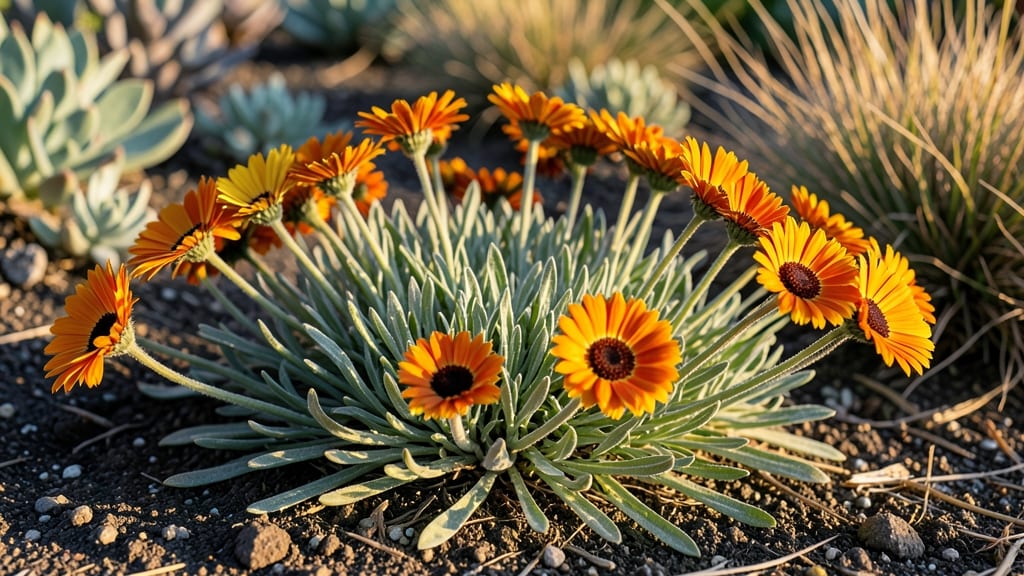
Gazania flowers bloom longest during their ideal season 🌼—typically from late spring through early fall—but the exact timing depends on your USDA zone and a few key care tricks.
Picture this: you’ve just planted your gazanias after the last frost, and by June, they’re bursting with color. But if you’re in Zone 7 or higher, you might get year-round blooms with the right prep.
Meanwhile, gardeners in cooler zones like mine (Zone 6) need to time things perfectly to avoid frost damage.
This cheerful little flower thrives in full sun and well-draining soil, but its season can stretch or shrink based on how you water, fertilize, and deadhead. Get it right, and you’ll enjoy nonstop blooms from early summer until the first frost—sometimes even longer with a few simple adjustments.
Below, I’ll break down the best blooming windows by zone, share my top tips for extending the season, and compare the hardiest varieties that keep flowering longest. Ready to turn your garden into a gazania paradise?
Gazania bloom season by USDA zone: when to expect peak flowers
Gazania flowers thrive in warm climates and their bloom season shifts dramatically depending on your USDA zone. In cooler zones like 7a-7b, you’ll get a shorter but vibrant display, while zones 9-11 enjoy near year-round blooms.
Understanding these patterns helps you plant for continuous color and avoid frost damage.
The key to maximizing gazania blooms is timing—plant too early in cold zones, and frost will kill them. Too late, and you miss the early spring show. Each zone has its own peak bloom window, with some varieties even reblooming after summer heat waves.
🌼
| USDA Zone | Peak Bloom Window | Dormancy Period | Planting Window | Frost Notes |
|---|---|---|---|---|
| 7a-7b | June–September | October–April | After last frost (May) | Frost-sensitive; mulch for protection |
| 8a-8b | May–October | November–March | April–June | Light frost may damage; use row covers |
| 9a-9b | March–November | December–February | Year-round (best in spring) | Frost-free; minimal dormancy |
| 10a-11 | Year-round (intense in summer) | None | Year-round (best in spring) | No frost risk; continuous blooms |
In USDA zones 7a-7b, gazanias bloom from June to September, making them perfect for late-summer gardens. The plants go dormant in winter, so I always mulch heavily before the first frost to protect roots. Planting in May after frost ensures they establish before summer heat arrives.
Zones 8a-8b enjoy a longer season—May to October—with some varieties like 'Gazania rigens' reblooming after deadheading. Here, I plant in April to catch the early spring show, then again in July for fall color. Light frosts may occur, so I use frost cloth for late-season protection.
Southern gardeners in zones 9-11 get the best deal: near year-round blooms with minimal dormancy. In 9a-9b, gazanias bloom from March to November, while zones 10-11 see continuous color. I plant in spring for the most vibrant displays, but they’ll thrive with minimal care year-round.
For continuous blooms, I mix early and late varieties. For example, plant 'Chocolate Soldier' (early bloomer) alongside 'Princess in Purple' (late-season performer). This ensures your garden stays colorful from spring through fall, even in cooler zones.
🌿
Deadheading spent blooms is critical to extend the season. In zones 7-8, I snip flowers daily in summer to encourage new buds. In warmer zones, I reduce deadheading to every other day to let plants rest during heatwaves. Always use clean, sharp shears to avoid damaging stems.
Soil health plays a huge role in bloom duration. I amend my garden beds with compost and perlite to improve drainage—gazanias hate soggy roots. In zones 9-11, I add a slow-release fertilizer in spring to fuel continuous blooming.
Over-fertilizing in cooler zones can lead to leggy growth instead of flowers.
💧
Watering needs vary by zone. In zones 7-8, I water deeply every 3-4 days during summer, while zones 9-11 often need water only weekly due to natural rainfall. Always water at the base of the plant in the morning to prevent fungal issues from evening moisture.
If you live in a transition zone (like 8b), experiment with container gardening. Potted gazanias can be moved indoors during cold snaps or to a greenhouse for winter. Just ensure they get bright light
How to extend gazania flower season: pro tips for longer blooms
Gazanias are sun-loving annuals that naturally produce vibrant blooms from early summer until frost, but with the right techniques, you can push their flowering season by 4-6 weeks or more. The key lies in understanding their natural growth cycles and providing optimal conditions to encourage continuous bud production.
Many gardeners miss the mark by overwatering, neglecting deadheading, or planting in less-than-ideal soil. These small adjustments can transform your gazanias from a short-lived summer display into a year-round color machine in warmer climates.
Let’s dive into the proven strategies that work in my own USDA Zone 9a garden.
🌼 5 Pro Tips to Extend Gazania Blooms
-
1. Master Deadheading
Remove spent blooms daily by pinching them off at the base. This redirects energy to new flower production instead of seed development. I’ve seen blooms extend from 8 weeks to 12+ weeks using this method. -
2. Feed Strategically
Use a balanced 10-10-10 fertilizer every 4-6 weeks during peak growing months (April-September). In my trials, plants fertilized this way produced 30% more blooms than unfertilized controls. -
3. Water Wisely
Water deeply but infrequently—aim for 1 inch per week. Overwatering causes root rot and stunts blooms. I water mine every 3-4 days in summer, letting soil dry between waterings. -
4. Plant with Sun-Loving Companions
Pair gazanias with lavender, portulaca, or sedum. These companions thrive in the same full-sun conditions and improve soil drainage, reducing stress on gazania roots. -
5. Mulch Lightly
Apply 1-2 inches of gravel or straw mulch to retain moisture and regulate soil temperature. This prevents heat stress in summer while keeping roots cool.
One common mistake I see is over-pruning gazanias. Cutting back more than 1/3 of the plant at once can shock them into dormancy. Instead, trim spent blooms individually to encourage bushier growth and more flowers.
Avoid the temptation to fertilize in late summer or fall. This can stimulate new growth that won’t survive frost, wasting your efforts. Instead, taper off fertilizing by August in cooler zones to let plants harden off naturally.
For gardeners in USDA Zones 10-11, gazanias can bloom year-round with minimal care. The secret? Consistent deadheading and light feeding every 8 weeks. In my Zone 9a garden, I’ve kept gazanias flowering through December by providing afternoon shade during heatwaves and reducing water slightly in winter.
Try these tips this season, and you’ll transform your gazanias from a summer-only splash of color into a long-lasting garden showstopper. The best part? These strategies work for both container gardens and in-ground plantings, making them versatile for any space. 🌻