
Flowers
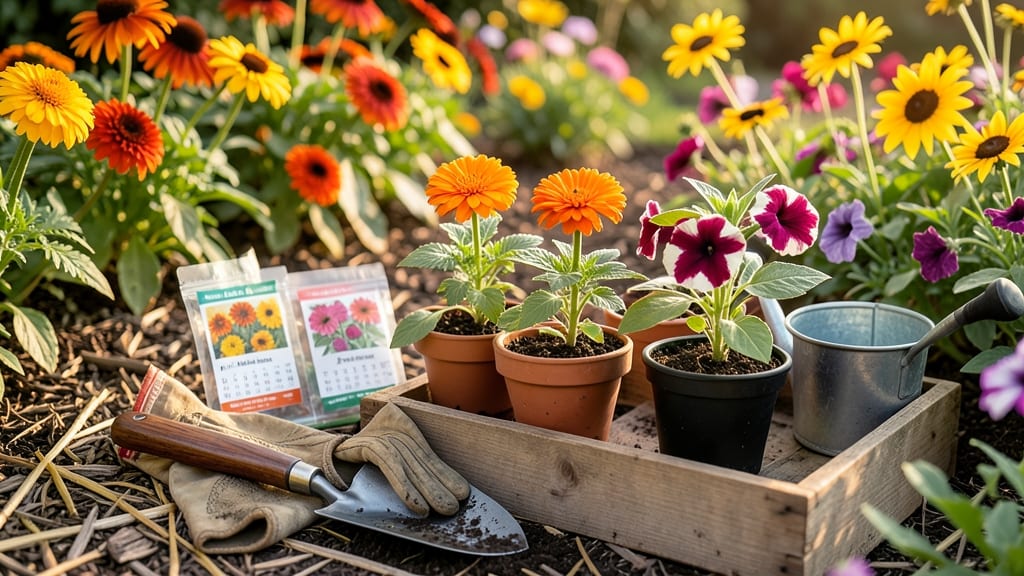
Planting flowers in Missouri at the right time means the difference between a garden bursting with color and a sad, frost-nipped mess.
Missouri gardeners know timing is everything—plant too early, and frost can wipe out your blooms; too late, and you’ll miss peak summer color. But with the right last-frost dates by region, you can ensure your flowers thrive from spring to fall without a single failed attempt.
The key is understanding your USDA Zone 5b-6a and when those critical frost dates fall. Most of Missouri sees its last frost around mid-March, but northern areas like St. Louis can linger until early April, while southern regions might be frost-free by late February.
Below, I break down the exact planting windows for annuals and perennials, which flowers to choose for each season, and how to adjust for microclimates—so you can finally get those zero-failure blooms you’ve been dreaming of.
Missouri last-frost dates by region: exact planting windows for annual flowers
Missouri’s diverse climate means your last-frost dates can vary by 10 days or more depending on where you garden. In St. Louis (Zone 6a), the average last frost arrives by March 22, while Southeast Missouri (Zone 7a) often sees frost-free conditions by March 10.
These differences matter—planting pansies or calendulas too early in northern Missouri risks frost damage, while marigolds or zinnias planted too late in the south may struggle in summer heat.
Understanding your region’s microclimates is key. Urban areas like Kansas City or Columbia can experience earlier frost due to concrete heat absorption, while rural areas with elevation gains (like near Springfield) may see frost linger 3–5 days longer.
Always check local USDA Zone maps and adjust your planting windows accordingly.
Here’s your region-by-region breakdown of last-frost dates, paired with ideal planting windows for cool-season and warm-season annual flowers. Use this as your guide to avoid the #1 gardening mistake: planting too soon or too late.
| Region | Avg. Last Frost | Cool-Season Flowers (Plant) | Warm-Season Flowers (Plant) | Notes |
|---|---|---|---|---|
| St. Louis (Zone 6a) | March 22 | March 15–April 15 | April 20–May 10 | Urban heat islands delay frost; use row covers for early plants. |
| Kansas City (Zone 6a) | March 20 | March 10–April 10 | April 15–May 5 | Windier; protect seedlings with mulch. |
| Columbia (Zone 6b) | March 18 | March 5–April 5 | April 10–April 25 | Soil warms faster; start warm-season flowers indoors. |
| Springfield (Zone 6a) | March 25 | March 20–April 20 | May 1–May 15 | Higher elevation; extend season with cold frames. |
| Southeast MO (Zone 7a) | March 10 | February 25–March 15 | March 20–April 5 | Longer growing season; plant heat-lovers like sunflowers early. |
For cool-season flowers like pansies, snapdragons, or lobelia, aim to plant 4–6 weeks before your region’s last frost. These hardy blooms tolerate light frosts and often rebound after 28°F temperatures. In Southeast Missouri, you can even plant calendulas as early as February 25 for spring color.
Warm-season flowers such as marigolds, zinnias, and cosmos need soil temperatures above 60°F to thrive. In St. Louis, wait until April 20 to avoid stunted growth, while Southeast Missouri gardeners can start as early as March 20.
Always test soil temperature with a soil thermometer—it’s the most accurate way to time your planting.
Pro tip: Use row covers or cold frames to extend your planting window by 2–3 weeks in cooler regions. This lets you sow warm-season flowers like petunias earlier, giving them a head start before summer heat arrives. Just remove covers when flowers are established to prevent overheating.
Missouri’s first frost
Best flowers to plant by Missouri month: a month-by-month survival guide
Missouri’s variable climate means your flower garden can bloom from April to October—if you plant at the right time. The key is matching cold-hardy varieties with early spring and frost-resistant flowers with fall planting. Let’s break it down by month so you never miss a bloom.
Start with cool-season flowers like pansies and snapdragons in March, then transition to heat-lovers such as zinnias and sunflowers by June. Finally, fall favorites like mums and asters will keep color going until first frost. Here’s your month-by-month cheat sheet:
- 🌷 March: Pansies, Sweet Alyssum, Violas (tolerate light frost)
- 🌼 April: Calendula, Nasturtiums, Lobelia (hardy annuals)
- ☀️ May: Zinnias, Marigolds, Sunflowers (after last frost)
- 🌻 June: Black-Eyed Susans, Coneflowers, Bee Balm (perennials)
- 🍂 August: Cosmos, Dahlias, Cleome (late bloomers)
- 🌿 September: Mums, Asters, Goldenrod (frost-resistant)
- 🌸 October: Pansies (replant for winter color), Sweet Peas (cool-season)
For continuous blooms, layer early, mid, and late-season flowers. For example, plant pansies in March for spring color, then zinnias in May for summer, and mums in August for fall. This ensures your garden stays vibrant from April to October.
Don’t forget Missouri natives like wild bergamot and purple coneflower—they’re drought-tolerant and attract pollinators. Add them to your June or September planting for low-maintenance beauty. Mulch after planting to retain moisture and regulate soil temperature.
If you’re in northern Missouri (USDA Zone 5b), wait until mid-April for warm-season flowers. In southern Missouri (Zone 6a), you can plant two weeks earlier. Check your local frost dates and adjust accordingly—this makes all the difference for heat-sensitive varieties like geraniums.
For fall color, start mums indoors in July or buy established plants in August. They’ll reward you with weeks of vibrant blooms before winter sets in. Pair them with asters for a long-lasting display.
With this schedule, you’ll enjoy nonstop color—no bare spots, no wasted effort. Happy planting! 🌼