
Flowers
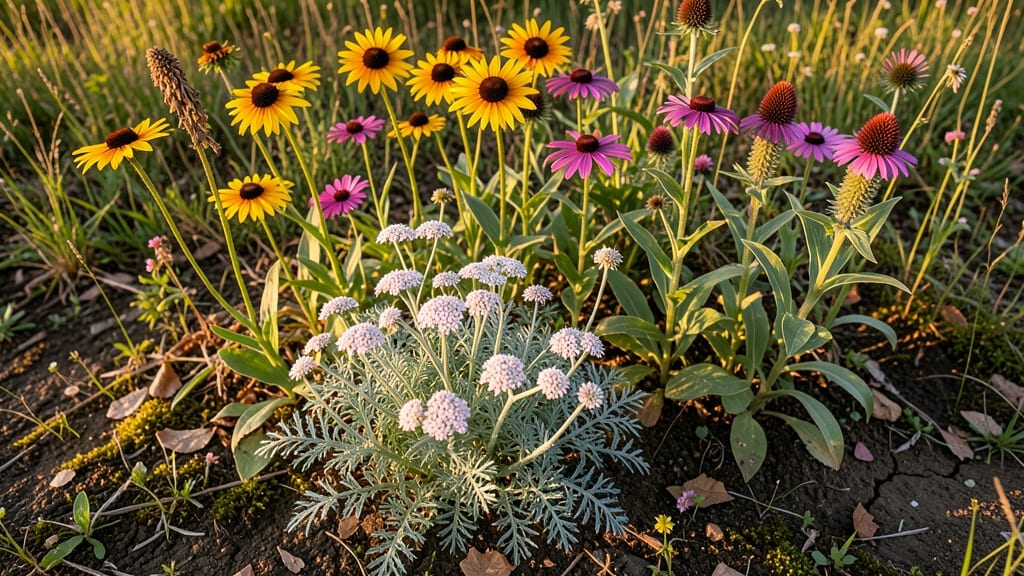
Wildflowers come in both annual and perennial varieties, each offering unique benefits for your garden 🌼 — but knowing which is which can transform how you plan your planting schedule.
Picture this: you spend hours scattering seeds in spring, only to watch them vanish by fall. That’s the annual wildflower experience unless you’re intentional about reseeding. Perennials, on the other hand, return year after year, cutting down on replanting work.
The difference isn’t just about effort—it’s about timing. Annuals like cosmos or zinnias burst into color in a single season, while perennials such as black-eyed Susans or coneflowers build roots deeper each year, delivering longer-lasting blooms with less upkeep.
Below, I’ll break down how to mix both types for a garden that stays vibrant from spring through fall, plus which species thrive in your USDA Zone 6a climate without extra fuss.
Annual vs. perennial wildflowers: key differences in growth cycles
If you've ever planted wildflowers hoping for a vibrant garden only to watch them vanish after one season, you're not alone.
The key to understanding this lies in their life cycles. Annual wildflowers complete their entire life span—from seed to bloom to seed production—in just one growing season, while perennial wildflowers return year after year, often becoming more robust with time.
This distinction isn't just academic; it directly impacts how you plan, plant, and maintain your garden.
Annuals like cosmos and zinnia are famous for their bold blooms and quick growth, but they require replanting annually. Perennials like black-eyed Susan or coneflower, on the other hand, establish roots that persist through winter, rewarding you with years of color.
Knowing which is which helps you create a garden that thrives with minimal effort—and avoids the disappointment of empty spaces after the first bloom.
Here’s the game-changer: Many wildflowers, especially annuals, self-seed prolifically, meaning they drop seeds that sprout the next year. This natural reseeding can turn your garden into a self-sustaining meadow over time, even if the parent plants are technically annuals. Understanding these nuances will transform how you approach planting and garden design.
The self-seeding ability of annuals is one of their biggest advantages. Plants like cosmos and marigolds scatter seeds so freely that they often return the next year without any intervention. This natural reseeding can create a self-sustaining wildflower meadow over time, reducing your long-term planting workload.
However, if you want to control the mix or introduce new varieties, you’ll need to replant some seeds each year.
Perennials, meanwhile, build deep root systems that store nutrients, allowing them to bounce back year after year. They’re perfect for establishing long-term color in your garden, especially in areas where you want minimal upkeep.
For example, purple coneflower might produce modest blooms in its first year but explode with color in subsequent seasons. This delayed gratification pays off with decades of blooms in some cases.
When planning your garden, consider combining both types for a dynamic display. Use annuals like sunflowers for immediate impact in the first season, then layer in perennials like butterfly weed for long-term interest.
This strategy ensures your garden stays vibrant from spring through fall, with minimal gaps between blooms. Think of annuals as the quick-fix stars and perennials as the reliable backbone of your landscape.
Another critical factor is climate and hardiness. Annuals thrive in regions with short growing seasons or unpredictable winters, while perennials excel in stable climates where they can establish roots.
For example, California poppies are annuals that love mild winters, while Russian sage is a hardy perennial that tolerates harsh conditions. Matching your wildflowers to your local climate ensures they’ll perform as expected.
If you’re new to wildflowers, start with a mixed wildflower seed blend that includes both annuals and perennials. This approach gives you the best of both worlds
Top 10 wildflowers ranked by life cycle type (annual vs. perennial)
Choosing the right wildflowers for your garden starts with understanding their life cycles. Annuals complete their entire growth cycle in one season, while perennials return year after year. This distinction impacts everything from planting plans to maintenance.
Whether you want quick color or long-term beauty, knowing these differences helps you design a garden that thrives with minimal effort.
I’ve ranked the top 10 wildflowers by their life cycle, including bloom times, hardiness zones, and ideal growing conditions. These varieties are popular for their beauty, ease of care, and ability to attract pollinators. Let’s dive into the best options for your climate and garden goals.
For annual wildflowers, cosmos and zinnia top the list. These plants bloom quickly, often within 60-90 days, and produce seeds that reseed naturally. They thrive in USDA zones 2-11 and prefer full sun. My favorite annual, cosmos, is drought-tolerant and attracts butterflies effortlessly.
On the perennial side, black-eyed Susan and coneflower are standouts. These hardy plants establish deep roots and return every year with vibrant blooms. Coneflower, in particular, thrives in zones 3-9 and requires minimal care once established. Both are excellent for pollinators and add structure to perennial borders.
If you’re planting for continuous color, consider mixing annuals like marigolds with perennials such as bee balm. Annuals provide instant blooms, while perennials ensure long-term beauty. For example, marigolds bloom from summer to frost and self-seed easily, while bee balm offers late-summer color and attracts hummingbirds.
For low-maintenance gardens, perennials like yarrow and purple coneflower are ideal. These plants spread over time, creating lush meadows with minimal effort. Yarrow, for instance, thrives in zones 3-9 and tolerates poor soil, making it perfect for wildflower meadows or naturalized areas.
To maximize your garden’s impact, pair annuals with perennials. For example, plant sunflowers (annual) alongside Russian sage (perennial) to extend your bloom season. Annuals fill gaps early in the season, while perennials take over as the weather cools. This strategy ensures your garden stays vibrant from spring to fall.