
Propagation
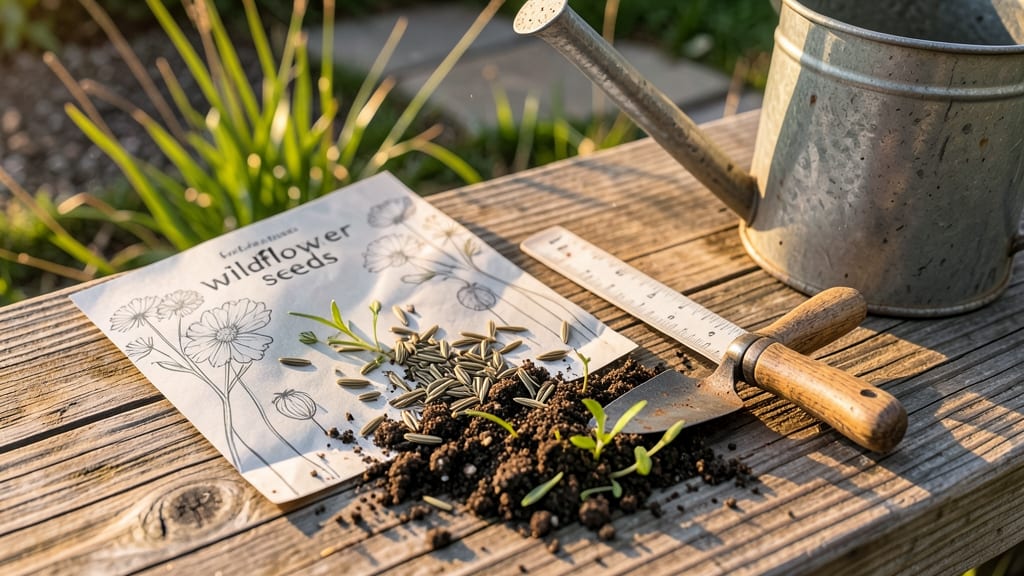
Wildflowers to germinate can take anywhere from 7 to 60 days, depending on the species, soil conditions, and your climate zone—so patience is key, but not always necessary.
If you’ve ever stared at a tray of seeds wondering why nothing’s happening, you’re not alone. Wildflower seeds like cosmos might pop up in 7 days, while stubborn perennials like black-eyed Susans could take up to 60 days to break through the soil.
The good news? With the right tricks, you can shave weeks off that timeline and get your meadow blooming faster.
Soil temperature, moisture levels, and even how deep you plant those seeds play a huge role in speeding up germination. Too much water or burying seeds too deep can actually slow things down—or worse, kill them before they even sprout.
But don’t worry: I’ll walk you through the science-backed steps to create the perfect conditions for your 🌼 wildflowers to thrive.
In this guide, you’ll discover the average germination times for different wildflower types, three proven tricks to jumpstart sprouting, and common mistakes that might be holding your seeds back. Let’s turn that waiting game into a success story!


Wildflower germination timeline: what to expect by seed type
If you've ever scattered wildflower seeds and waited impatiently for sprouts, you're not alone. Understanding the wildflower germination timeline helps manage expectations and optimize conditions. Some varieties pop up in 5 days, while others may take 6 weeks—or even longer.
The key lies in knowing whether you're planting annuals or perennials, as their timelines differ dramatically.
Annual wildflowers like cosmos and zinnia often germinate within 7-14 days under ideal conditions, while perennials such as black-eyed Susan or coneflower can take 3-8 weeks. Regional climate plays a huge role too—cooler zones may see delayed sprouting, whereas warmer areas might trigger faster germination.
Let’s break down what to expect for your favorite wildflower varieties.
| Wildflower Type | Germination Time | Climate Notes | Best Planting Time |
|---|---|---|---|
| Fast-Germinating Annuals (Cosmos, Zinnia, Sunflower) | 5–14 days | Thrive in warm soil (60°F+) | Spring or late summer |
| Moderate Annuals (Marigold, Snapdragon) | 10–21 days | Need consistent moisture | Early spring or fall |
| Slow-Germinating Perennials (Black-Eyed Susan, Coneflower) | 3–8 weeks | Cold stratification helps | Fall or early spring |
| Very Slow Perennials (Milkweed, Goldenrod) | 6–12 weeks | May need winter dormancy | Late summer or fall |
Fast-sprouting varieties like cosmos and sunflowers are perfect for impatient gardeners. They often emerge within 5-14 days when soil temperatures reach 60°F or higher. These annual wildflowers thrive in warm climates and can even germinate in late summer for a fall display.
If you’re planting in USDA Zone 7 or warmer, expect quicker results than in cooler regions.
On the other hand, perennial wildflowers like black-eyed Susans or coneflowers require patience. Their seeds may take 3-8 weeks to break dormancy, especially if they need cold stratification—a process mimicking winter conditions.
In colder climates (Zones 4-6), fall planting often yields better germination rates, as the seeds undergo natural cold treatment over winter.
Regional climate drastically impacts germination speed. In arid Southwest regions, wildflowers may sprout within 10-14 days after rare rains, while Pacific Northwest gardeners might wait 4-6 weeks due to cooler, wetter soils.
Always check your local frost dates—planting too early in cold zones can lead to seed rot, while waiting too long may miss optimal moisture windows.
Identifying slow vs. fast-sprouting varieties helps plan your meadow. Fast germinators like zinnia or marigold are ideal for quick color, while perennials like milkweed or goldenrod reward long-term patience with years of blooms. Mixing both in your garden ensures a continuous display from early summer through fall.
Pro tip: Keep a germination journal to track your local conditions. Note soil temperatures, rainfall, and when sprouts appear—this data becomes invaluable for future plantings.
For example, if your cosmos seeds usually sprout in 7 days but take 3 weeks this year, check for low soil temps or poor moisture retention.
If you’re still not seeing sprouts after the expected timeline, check for seed viability. Old seeds or improper storage can delay germination. Test a few seeds on a damp paper towel in a warm spot—if they don’t sprout within 10 days, they may need replacing.
Always store seeds in a cool, dry place to maintain viability for future seasons.
Once you spot those first tiny green shoots, resist the urge to disturb them. Thinning seedlings too early can stunt growth, so wait until they’re 2-3 inches tall before carefully removing weaker plants.
With the right expectations and care, your wildflower meadow will burst to life—just give nature (and your seeds) the time they need.
3 Science-backed tricks to speed up wildflower germination
Wildflower seeds often need patience, but science-backed strategies can slash germination time. The key lies in mimicking natural conditions that trigger seed dormancy to break. For example, cosmos seeds may sprout in 7-14 days with optimal care, while black-eyed Susans can take 3-4 weeks—but these tricks help both.
Let’s dive into three proven methods that work for annuals and perennials alike.
First, understand that moisture and temperature are the biggest factors. Wildflower seeds often need consistent moisture without being waterlogged, while temperature fluctuations (like cold stratification) can trick seeds into thinking winter has passed.
By controlling these variables, you’ll see sprouts 2-3 times faster than average. Ready to try these? Here’s how:
- 🌱 Pre-soak seeds in lukewarm water for 12-24 hours to soften hard seed coats. This mimics natural rain cycles and speeds up hydration. Annuals like zinnias benefit most from this method.
- 💧 Maintain consistent soil moisture by watering lightly every 2-3 days (never let soil dry out completely). Use a spray bottle for delicate seeds to avoid displacement.
- ☀️ For perennials like coneflowers, use cold stratification: mix seeds with damp sand, place in a sealed bag, and refrigerate for 4-6 weeks before planting.
Let’s break down the first trick: pre-soaking seeds. This method works best for annual wildflowers with hard seed coats, like sunflowers or marigolds. Simply place seeds in a bowl of lukewarm water for 12-24 hours, then drain and plant immediately.
The goal is to soften the seed coat so water can penetrate faster. Pro tip: Use a mesh bag to soak seeds if they’re tiny, like lupine or phlox, to prevent them from floating away.
Next, soil moisture control is critical. Wildflower seeds need to stay moist but not soggy. Overwatering can cause seeds to rot, while underwatering halts germination. A light misting every 2-3 days keeps the soil evenly damp.
For larger seeds like black-eyed Susans, press them 1/4 inch deep into the soil and water gently to avoid washing them away. Use a fine-mist spray bottle for delicate seeds like baby’s breath.
For perennial wildflowers, cold stratification is a game-changer. Many perennials, including cone flowers and goldenrod, need a winter-like chill to break dormancy. To mimic this, mix seeds with damp sand or peat moss, place them in a sealed plastic bag, and refrigerate for 4-6 weeks.
After the cold treatment, plant them outdoors in early spring. This trick can reduce germination time by up to 50% for perennials.
Finally, temperature matters. Most wildflowers germinate best in 60-75°F soil temperatures. If your climate is too cold, use a seedling heat mat or plant in a sunny, sheltered spot to warm the soil.
For fall planting, let nature handle the temperature shifts—seeds will stratify naturally over winter. Always check the seed packet for specific temperature needs, as some mountain wildflowers prefer cooler conditions.
With these three science-backed tricks, you’ll see your wildflowers sprouting in half the usual time. Whether you’re pre-soaking annuals, controlling moisture for delicate seeds, or stratifying perennials, these methods work like magic.
Grab your seeds and give it a try—your future meadow will thank you! 🌼