
Plants
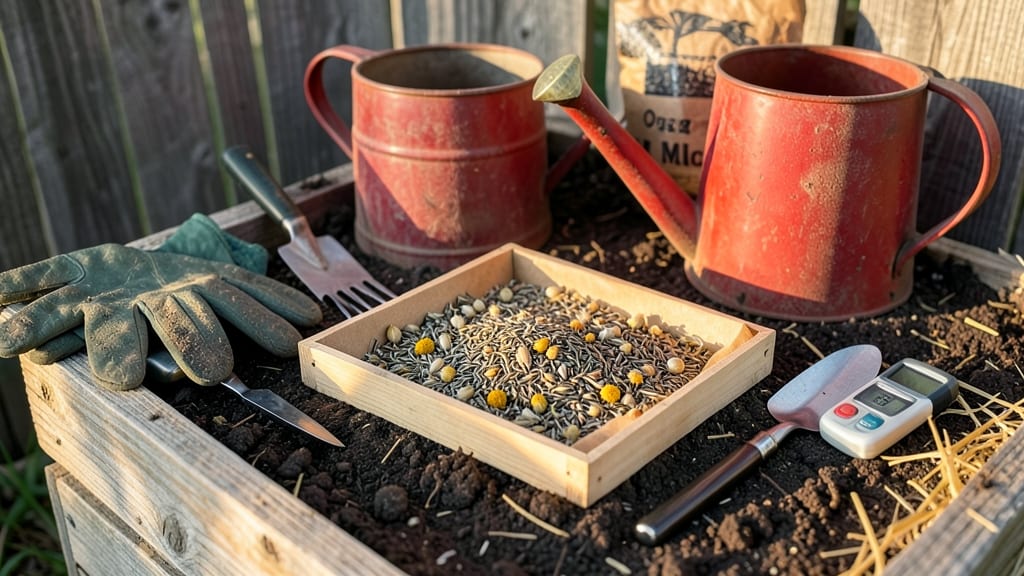
Planting wildflower seeds in North Carolina at the right time ensures vibrant blooms from spring through fall, no matter which zone you're in.
If you’ve ever scattered seeds only to watch them wither under a late frost or struggle through summer’s heat, you know timing is everything. North Carolina’s climate varies wildly—from the frost-prone mountains to the humid coastal plains—so a one-size-fits-all approach won’t cut it.
Most gardeners in USDA zones 6a–8b get the best results by planting in late winter to early spring or late summer to early fall. But the devil’s in the details: coastal areas can handle earlier sowing, while higher elevations need to wait for soil to warm.
In this guide, I’ll break down the exact planting windows for your region, plus soil prep tips and care tricks to keep your 🌼 wildflowers thriving year-round—no guesswork required.
NC planting zones and wildflower seed timing by season
North Carolina spans USDA zones 7a through 8b, creating distinct planting windows for wildflowers. In zone 7a (western Piedmont), last frost typically arrives by March 1, while zone 8b (coastal plains) enjoys frost-free conditions by February 15.
These differences mean your timing must adapt—planting black-eyed Susans in March works in Raleigh but risks frost damage in Asheville.
Microclimates further complicate timing. The Coastal Plain (zones 8a-8b) has warmer winters and longer growing seasons, while the Mountains (7a-7b) face shorter springs and earlier frosts. For example, coreopsis seeds thrive when sown in late February along the coast but wait until mid-April in the Smokies.
| USDA Zone | Last Frost Date | Spring Planting Window | Fall Planting Window | Best Wildflowers |
|---|---|---|---|---|
| 7a (Piedmont) | March 1 | Mid-April to May 15 | Late August to Sept 15 | Black-eyed Susan, Coneflower |
| 7b (Foothills) | February 28 | Late March to April 30 | Early August to Sept 10 | Butterfly Weed, Goldenrod |
| 8a (Coastal Plain) | February 15 | Early March to April 15 | Mid-July to August 31 | Milkweed, Purple Coneflower |
| 8b (Outer Banks) | January 31 | Late February to March 31 | June 15 to August 15 | Sea Oats, Beach Sunflower |
Spring planting dominates for annual wildflowers like cosmos and zinnia, which need 60-90 frost-free days to bloom. Aim to sow seeds 4-6 weeks before your area's last frost date. For perennials such as bee balm or asters, fall planting (August-October) gives roots time to establish before winter.
Adjust for microclimates: Coastal areas benefit from earlier spring plantings due to milder winters, while inland valleys may need delayed sowing to avoid late frosts. For example, Asheville gardeners should wait until April 15 for coreopsis, while Wilmington residents can start by March 1.
Summer planting (June-July) works for heat-loving species like sunflowers or Mexican sunflower. These thrive with direct summer seeding in well-drained soil. However, avoid planting tender annuals after July 15—they may not establish roots before fall rains taper off.
Fall is ideal for cool-season wildflowers like bluebonnets or wild indigo. Sow seeds 6-8 weeks before your first frost (typically late August in zone 7a, early September in zone 8b). This timing ensures germination before winter dormancy begins.
For year-round blooms, stagger plantings: Start with spring-blooming varieties (March-April), follow with summer types (June), and finish with fall species (August-September). This creates a continuous nectar source for pollinators from April through October.
Always check seed packet instructions—some wildflowers (like lupines) need stratification (cold treatment) for germination. For these, plant in fall or winter to mimic natural conditions. Test soil moisture before planting: Coastal sandy soils dry faster than Piedmont clay.
Pro tip: Use row covers for early spring plantings to protect seedlings from unpredictable frost. In zone 7a, a late-March freeze can still occur—covering young black-eyed Susans extends their growing season by 2-3 weeks. 🌱
Best wildflower species for NC’s climate and their ideal planting months
North Carolina’s wildflower meadows thrive when you plant native species matched to your local microclimate. The Piedmont region (Zone 7a) has cooler springs, while the Coastal Plain (Zone 8b) enjoys longer growing seasons.
Choosing the right wildflower varieties and timing their planting months ensures vibrant blooms from spring to fall with minimal maintenance.
For spring bloomers, focus on wild columbine and Virginia bluebells—both love moist, well-draining soil and thrive when sown in late winter (February). Summer wildflowers like black-eyed Susan and purple coneflower prefer dry, sunny spots and should be planted in early spring (March-April) or late summer (August) for fall color.
Here’s how these top 10 native wildflowers rank for NC’s climate, including their ideal planting months, drought tolerance, and whether to direct seed or transplant: