
Flowers
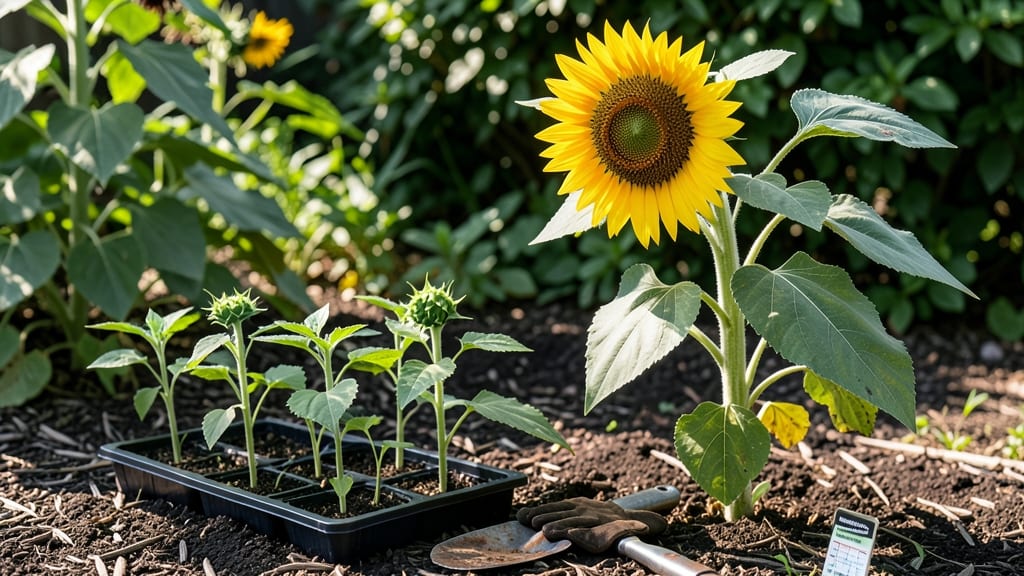
To plant sunflowers in Colorado at the right time means catching the mid-April to early June window after the last frost—when the soil warms and the 🌻 seeds can germinate without freezing.
Sunflowers thrive in Colorado’s sunny skies—but planting them at the wrong time means wilted dreams before they even bloom. Timing is everything, and getting it right guarantees towering stems and vibrant blooms that last from summer to fall.
Colorado’s USDA zones 5-7 (like Denver’s 5b or Colorado Springs’ 6a) create microclimates where frost can linger in valleys or arrive early on high plains. A late start risks stunted growth, while an early one invites frost damage.
Here’s how to nail the perfect window: soil prep, seed depth, and 3 key adjustments for elevation—so your sunflowers grow tall, strong, and ready to bloom by July.
Best planting dates for sunflowers in Colorado’s climate zones
Colorado’s diverse climate—from the Front Range’s urban heat islands to the Western Slope’s arid deserts and the Eastern Plains’ wide-open skies—means sunflower planting dates vary wildly.
Get the timing wrong, and your 10-foot giants could bolt before blooming or freeze before maturing. The key? Aligning your planting with last-frost averages and elevation adjustments.
Most Colorado gardeners aim to plant sunflowers after April 15, but this shifts dramatically with altitude.
Areas above 6,000 feet (like Fort Collins or Leadville) may need to wait until May 1, while lower elevations (3,000 feet, like Pueblo) can start as early as mid-April. Transplanting seedlings is risky—sunflowers hate root disturbance, so direct sowing is your best bet.
Here’s your Colorado-specific planting timeline, broken down by region and elevation, plus pro tips for each zone to maximize those vibrant blooms.
For Front Range gardeners in Denver or Boulder, aim to sow seeds 2–3 weeks after your average last frost (typically April 20–May 1). Use a soil thermometer—seeds need soil temps of at least 55°F to germinate.
If your soil is still chilly, try seedling trays indoors under grow lights and transplant after Memorial Day.
On the Western Slope, where desert air heats up fast, you can plant earlier than Front Range zones. Grand Junction’s 4,500-foot elevation means frost is rare after April 1, but watch for late-spring hail—a common Colorado curse.
Protect young plants with row covers or plant near windbreaks like corn stalks or sunflower stalks from last year.
The Eastern Plains, including Colorado Springs and Pueblo, offer the earliest planting windows due to their lower elevation. Start seeds by April 10 for summer-long blooms. However, the dry winds here can stress sunflowers, so water deeply 2–3 times per week until plants are established.
A 5-gallon bucket of water per plant keeps roots happy without wasting resources.
High-altitude areas above 6,000 feet, like Leadville or Steamboat Springs, demand patience. Wait until after May 1 to plant, and opt for fast-maturing varieties like 'Autumn Beauty' (50–60 days) or 'Moulin Rouge' (55–60 days).
These dwarf sunflowers (3–4 feet tall) avoid the high-altitude bolting that turns your blooms into seed stalks before summer’s end.
Pro tip: Stagger your plantings every 2 weeks from April to June for a continuous bloom from July through October. This works especially well in shorter-season zones (like USDA Zone 5b) where you might only get 100 frost-free days.
Plant half your seeds in early May and the rest in late May to extend your harvest window.
How to extend sunflower season: staggered planting for continuous blooms
Colorado’s short growing season doesn’t have to limit your sunflower dreams. By using succession planting, you can enjoy blooms from June through September. The key is timing your plantings to match the sunflower’s 60-120 day maturity window while avoiding late-season frosts.
This method ensures you’re always harvesting fresh blooms or seeds, even when summer feels fleeting.
Start with an early planting in mid-April for varieties like ‘Autumn Beauty’, which thrives in Colorado’s cooler nights. Follow this with two-week intervals through early June. For high-altitude areas (6,000+ ft), delay your first planting until late May to avoid frost damage.
This staggered approach creates a rolling harvest that keeps your garden vibrant all season.
To maximize success, prepare your soil with compost and a balanced fertilizer (5-10-10) before each planting. Sunflowers are heavy feeders, so side-dress with compost when plants reach 1-2 feet tall.
In Colorado’s dry climate, mulch heavily to retain moisture and suppress weeds. This is especially critical for high-altitude gardens, where evaporation rates are higher.
Don’t overlook late-summer varieties like ‘Teddy Bear’, which matures in just 50-60 days. These are ideal for July plantings and produce cheerful blooms when other flowers fade. For a cut-flower garden, interplant with borage or cosmos to attract pollinators and extend the season naturally.
Protect your sunflowers from Colorado’s unpredictable hail storms by providing row covers or temporary shade cloth during critical growth stages. If you notice yellowing leaves or stunted growth, it may signal powdery mildew—a common issue in Colorado’s humid summer nights.
Prune affected leaves immediately and improve air circulation by spacing plants properly.
With this staggered planting strategy, you’ll enjoy sunflowers from June through September, even in Colorado’s challenging climate. The secret lies in variety selection, soil prep, and timely adjustments—not just the calendar. Happy gardening! 🌻