
Light Requirements
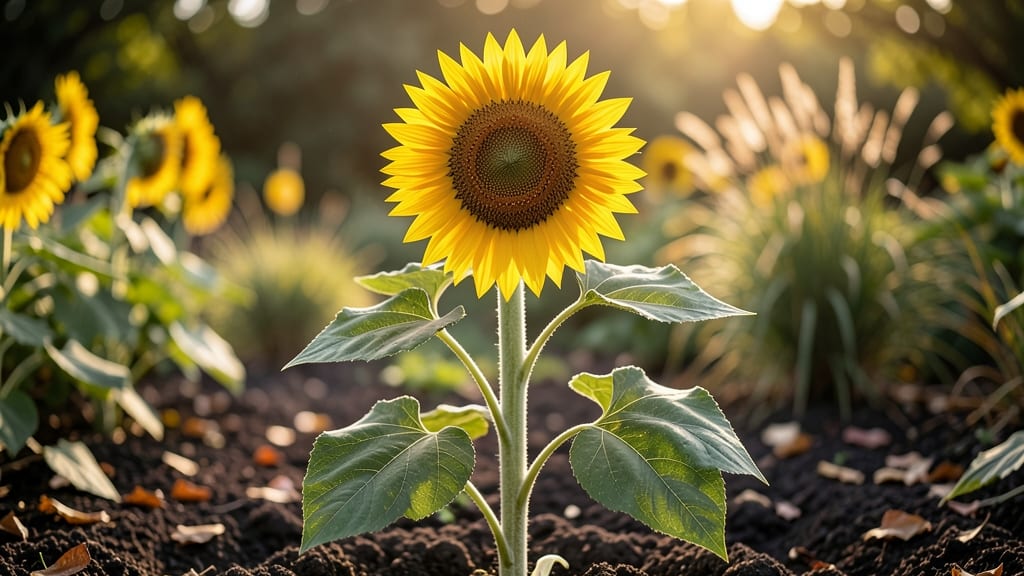
A full grown mammoth sunflower 🌻 can reach heights of 10–14 feet, making it a showstopper in any garden—but only if you plan ahead.
Picture this: a 12-foot-tall sunflower swaying in a summer breeze, its golden petals catching the light. But without the right support, those towering stems can flop like overgrown weeds, leaving you with a tangled mess instead of a garden centerpiece.
The key? Understanding how tall they’ll grow and when to step in with staking or caging.
Mammoth sunflowers thrive in full sun and well-drained soil, but their top-heavy nature means they need extra care as they mature. Whether you’re in USDA Zone 6a or beyond, timing your planting and support strategies is everything—especially if you want those harvest-worthy blooms by July.
In this guide, I’ll walk you through everything from height expectations to staking tips, so you can grow a Mammoth sunflower that stands tall all season long.
How tall do full-grown Mammoth sunflowers get?
Mammoth sunflowers (Helianthus annuus) are legendary for their stature, often reaching heights that dwarf most garden plants. On average, these giants grow between 8 to 14 feet tall, though their final height depends on genetics, growing conditions, and care.
The tallest varieties, like 'Russian Giant' or 'Mammoth' hybrids, can easily top 12 feet, while smaller cultivars might stay around 8–10 feet. Understanding these ranges helps you plan spacing, support structures, and even your garden layout to avoid overcrowding or structural failures.
Your sunflower’s genetic potential sets the baseline, but environmental factors like sunlight, soil fertility, and water availability can push a plant toward the upper or lower end of the spectrum.
For example, a seed labeled "12-foot Mammoth" might only reach 10 feet in partial shade, while the same variety could hit 14 feet with optimal care. Pay attention to the seed packet’s mature height estimates—they’re your best starting point!
Here’s the breakdown of what to expect at each growth stage:
- Seedling (0–3 weeks): 1–3 feet (rapid early growth)
- Vegetative (4–8 weeks): 5–8 feet (stem elongation)
- Flowering (9–12 weeks): 8–14 feet (final height achieved)
The critical growth spurt happens between weeks 4 and 8, so providing consistent water and nutrients during this phase is key to maximizing height.
| Variety | Mature Height (ft) | Sunlight Needs | Support Needed? |
|---|---|---|---|
| Russian Giant | 12–14 ft | Full sun (6+ hrs) | Yes (staking/caging) |
| Mammoth (Standard) | 10–12 ft | Full sun (6+ hrs) | Often (top-heavy) |
| Autumn Beauty | 8–10 ft | Full sun (6+ hrs) | Sometimes (shorter stems) |
| Moulin Rouge | 10–12 ft | Full sun (6+ hrs) | Yes (sturdy support) |
Sunlight is the #1 factor influencing height. Mammoth sunflowers thrive in full sun (6+ hours daily), but even slight shade reductions can stunt growth.
For example, a plant receiving only 4 hours of sun might max out at 8 feet, while one in 8+ hours could hit 14 feet. If your garden has partial shade, choose shorter varieties like 'Autumn Beauty' or consider a south-facing location to maximize sunlight exposure.
Soil quality plays a surprising role too. Mammoth sunflowers need well-draining, nutrient-rich soil with a pH of 6.0–7.0. Poor soil or compacted clay can restrict root growth, limiting the plant’s ability to support its own weight.
Amend your soil with compost or aged manure before planting to ensure strong, healthy roots. A deeply worked bed (12+ inches) gives roots room to anchor the towering stem.
Watering habits also affect height. While sunflowers are drought-tolerant once established, inconsistent watering—especially during the critical 4–8 week growth phase—can lead to weak stems and stunted growth. Aim for 1–2 gallons of water per plant weekly, delivered deeply to encourage root development.
Avoid wetting the foliage, as this increases the risk of fungal diseases like powdery mildew, which can further stress the plant.
If you’re growing Mammoth sunflowers in containers, expect slightly shorter heights (2–3 feet less) due to root restriction. Use a large pot (20+ gallons) with drainage holes and a balanced fertilizer to compensate.
Container-grown sunflowers still need full sun and consistent watering, but their limited root space will cap their height potential.
Pro tip: To estimate your sunflower’s final height early, monitor the stem’s growth rate during the vegetative stage (weeks 4–8). If it’s adding 1–2 feet per week, you’re on track for the upper end of the range.
Slower growth (6 inches/week) suggests nutrient or water deficits, and you may need to adjust your care routine. Regularly check the stem thickness—thicker stems correlate with greater height potential.
Remember, Mammoth sunflowers aren’t just tall—they’re top-heavy. A 12-foot stem with a 1-foot-wide bloom can easily snap in wind or rain without support. Plan for staking or caging early, especially if you’re aiming for the 10+ foot
Supporting Mammoth sunflowers: staking, caging & alternative methods
Mammoth sunflowers can reach 10–14 feet tall, making their top-heavy blooms prone to flopping—especially in wind or rain. Without proper support, even the sturdiest stems can snap under the weight. The key is to act early and choose the right method for your garden layout and climate.
I’ve tried everything from DIY cages to bamboo stakes, and the best approach depends on your plant’s growth stage and your garden’s conditions. For example, early staking (when stems reach 2–3 feet) gives roots time to anchor, while late support (after flowering) can still save a wobbly plant.
Let’s break down the options so you can pick what works best.
If you’re planting in a windy or rainy climate, I recommend wire cages for their full-body support. For a single statement plant, bamboo stakes tied gently with soft fabric strips work wonders.
My favorite DIY hack? Repurposing old tomato cages—just bend them wider to fit the sunflower’s girth as it grows.
For late-season support, wait until the flower head forms but before it fully opens. Use soft plant ties (never wire!) to secure the stem to a stake, and check weekly to adjust as the plant grows.
Pro tip: Water deeply before staking—hydrated stems are less prone to snapping under pressure.
In container gardens, opt for deep pots with built-in trellises or stake early to prevent root disturbance. Mammoth sunflowers in pots need extra support because their roots have less anchorage. I’ve had success with heavy-duty plastic stakes pushed deep into the soil and secured with eco-friendly twine.
Remember, prevention is easier than repair. If your sunflower already leans, try gentle pruning to reduce the flower head’s weight or add a secondary stake at a 45-degree angle for extra stability. With the right support, your 12-foot giant will stand tall all season long. 🌻