
Flowers
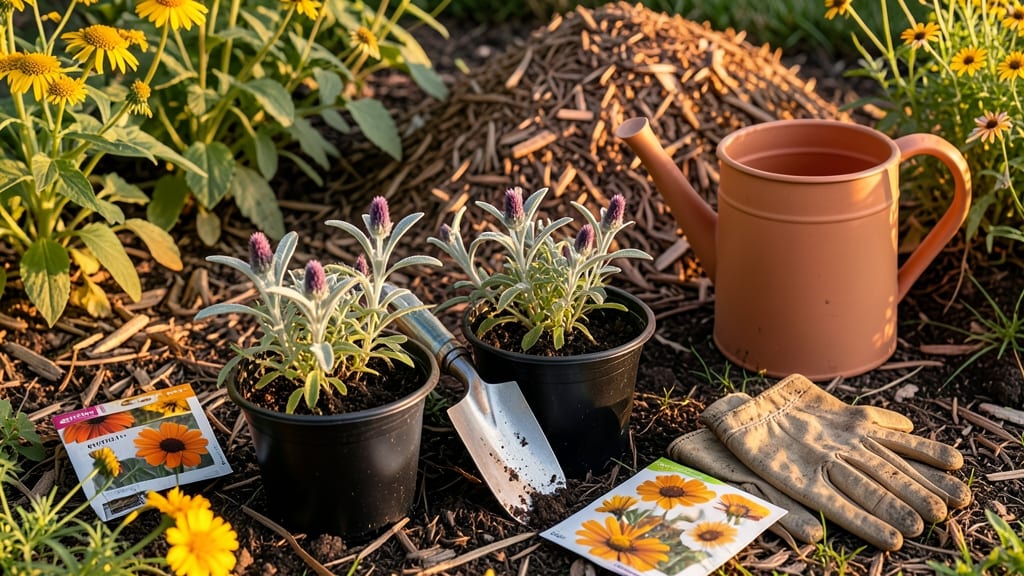
To plant fall flowers in Texas, aim for late summer through early fall—typically August to mid-October—when soil stays warm but nights cool down.
Texas gardeners know the fall season brings cooler temperatures and vibrant blooms—but planting too early or late can leave your flowers struggling with heat or frost. Timing is everything for a thriving fall garden in USDA Zones 8B-9A.
In North Texas, where frosts arrive earlier, you’ll want to get pansies and mums in the ground by September 15 to avoid winter damage. Meanwhile, South Texas gardeners have a few extra weeks to enjoy late-summer heat before the first cold snap.
Below, I break down the exact windows for each flower type, soil prep tips, and how to stretch your planting season with heat-tolerant varieties—so you can enjoy color until the first frost.
Optimal fall planting dates for Texas zones 8B-9A by flower type
Fall in Texas transforms your garden into a colorful masterpiece, but the right planting dates make all the difference. In USDA Zones 8B-9A, the first frost arrives earlier in North Texas (late November) than South Texas (mid-December).
Planting too early risks heat stress, while waiting too long may leave flowers vulnerable to cold snaps. Let’s break down the perfect planting windows for your favorite fall bloomers.
For cool-season annuals like pansies and snapdragons, the ideal window is mid-September to early October. This timing lets them establish roots before soil temperatures drop, ensuring vibrant blooms through winter.
In Zone 9A, you can push planting to late October for heat-sensitive varieties, while Zone 8B gardeners should start by mid-September to avoid early frost damage.
Perennials like mums and asters thrive when planted 4-6 weeks before the first frost. In North Texas, that’s early to mid-September, while South Texas gardeners have until late October.
These hardy plants reward patience with long-lasting color and low-maintenance care, making them perfect for fall containers and borders.
Bulbs such as tulips and daffodils should go into the ground 6-8 weeks before frost. For Zone 8B, aim for late September, and in Zone 9A, wait until early October.
Planting too early can cause premature sprouting, while late planting may leave bulbs vulnerable to winter cold before roots establish.
| Flower Type | Zone 8B Planting Window | Zone 9A Planting Window | First Frost Risk | Sun Needs |
|---|---|---|---|---|
| Cool-Season Annuals (Pansies, Snapdragons) | Mid-September to Early October | Late September to Late October | Late November | Full Sun to Partial Shade |
| Perennials (Mums, Asters) | Early to Mid-September | Late September to Early October | Mid-December | Full Sun |
| Bulbs (Tulips, Daffodils) | Late September | Early October | Late November | Full Sun to Partial Shade |
| Heat-Tolerant Annuals (Marigolds, Salvia) | Late August to Early September | Late September to Early October | Low (Zone 9A) | Full Sun |
Heat-loving marigolds and salvia can handle late summer planting (late August in Zone 8B) and still bloom beautifully into fall. These drought-tolerant plants thrive in full sun and add a pop of color to border gardens or container arrangements.
Their ability to withstand warmer soil temperatures makes them ideal for extending your fall season.
To maximize your fall garden’s success, prepare your soil in early September by adding compost and organic matter. This improves drainage and nutrient retention, helping plants establish strong roots before cooler temperatures set in.
A light mulch layer (2-3 inches) also protects roots from temperature fluctuations and retains moisture.
Monitor your local frost forecasts and adjust planting dates
How to adjust planting timing for Texas heat zones and soil conditions
Texas gardeners face unique challenges when planting fall flowers due to our diverse heat zones and soil types. Sandy soils in West Texas drain too quickly, while clay-heavy soils in East Texas hold moisture like a sponge.
Both extremes demand adjustments to planting timing and care to ensure your flowers thrive through fall's unpredictable heat spikes.
Heat-tolerant varieties like celosia and zinnias can extend your fall blooms by weeks, but only if planted at the right time. For example, celosia thrives when soil temps stay above 65°F, while zinnias need cooler nights to trigger blooming.
Let's break down how to adapt your planting schedule based on your local conditions.
Sandy Soil Adjustments
Clay Soil Adjustments
Pros
- Warms up faster in fall
- Dries quickly, reducing fungal risk
- Plants establish roots faster
Cons
- Nutrients leach away quickly
- Requires frequent watering
- Heat escapes at night
Pros
- Retains moisture longer
- Natural nutrient reservoir
- Moderates temperature swings
Cons
- Can become waterlogged
- Slows root establishment
- Requires soil amendments
💡 Key Tip: Test your soil's moisture retention by squeezing a handful. Sandy soil crumbles instantly; clay holds shape. Adjust watering and planting times accordingly.
For sandy soils, start planting heat-tolerant varieties like celosia and gardenias 4-6 weeks earlier than the recommended fall window. These soils warm up quickly, so seeds germinate faster.
Pair this with drip irrigation to maintain consistent moisture without overwatering. In contrast, clay soils benefit from a 2-3 week delay to let temperatures stabilize.
Your irrigation method plays a crucial role in adjusting planting timing. Drip irrigation keeps roots cool during heat spikes, while soaker hoses help sandy soils retain moisture. For clay-heavy areas, consider raised beds to improve drainage and warm soil faster.
Mulching with straw or pine bark can extend the planting window by 10-14 days by moderating soil temperature.
Don't overlook microclimates within your garden. South-facing beds stay warmer and can accommodate earlier plantings of heat-tolerant flowers like salvia or pentas. North-facing areas may need a 2-week delay for frost-sensitive varieties.
Use a soil thermometer to monitor temperatures—ideal planting soil should be between 60°F and 75°F for most fall flowers.
When selecting varieties, prioritize Texas-native flowers like Mexican sunflower or blackfoot daisy, which naturally adapt to our variable fall conditions. These plants often bloom longer and require less maintenance. For container gardening, choose compact zinnias or dwarf marigolds, which tolerate heat better in limited soil volumes.
Remember, the last frost date isn't your only guide—Texas' heat islands can create local variations of 5-10°F. Monitor your garden's specific conditions and adjust your planting schedule accordingly. With these adjustments, you'll enjoy vibrant fall blooms that last well into winter, even in our unpredictable climate. 🌻