
Flowers
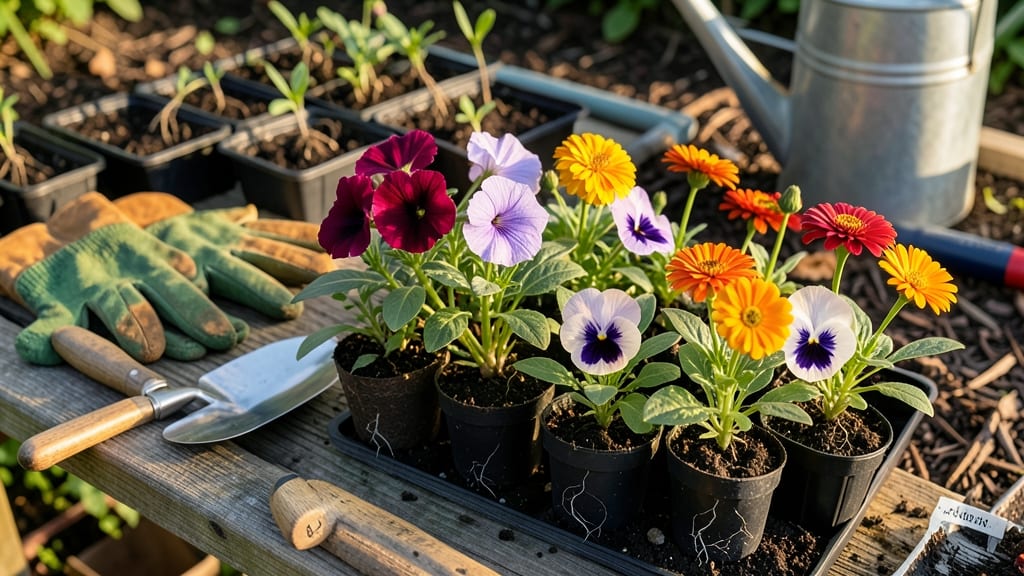
The best time to plant flowers in Ohio depends on your microclimate and whether you’re aiming for spring or fall blooms 🌸 — but here’s the secret: most gardeners get it wrong by waiting too late.
Ohio’s unpredictable weather can turn a gardener’s dream into a nightmare—unless you know the exact planting windows for flowers. Timing isn’t just about seasons; it’s about microclimates, frost dates, and flower hardiness zones that vary from Toledo to Columbus.
Spring planting kicks off after your last frost, typically around mid-April, but bulbs like tulips need to go in the ground by early November for winter blooms. Meanwhile, fall-planted perennials like asters establish roots before winter, giving them a head start.
Below, I break down Ohio’s planting calendar by region, the most frost-resistant flowers to prioritize, and how to adjust for late frosts or urban heat islands—so you can finally stop guessing and start growing.
Ohio’s spring flower planting timeline: frost dates, hardiness zones, and best flower types
Ohio’s spring planting season is a delicate dance between frost dates, hardiness zones, and the right flower varieties. Northern Ohio (Zone 5) faces later last frosts, while southern Ohio (Zone 6) enjoys earlier planting windows.
Missing the mark can mean wilted seedlings or stunted growth—so timing is everything. I’ve planted flowers here for over a decade, and I’ve learned the hard way that petunias and marigolds are frost-safe, but pansies need extra protection in Zone 5.
Your planting window hinges on Ohio’s average last frost dates: typically April 15 in southern Ohio (Zone 6) and May 1 in northern Ohio (Zone 5). However, late frosts can strike well into May, so always have frost cloth ready.
I once lost a $50 container garden in early April because I ignored the extended forecast. Don’t make my mistake—wait for consistent warm nights before planting frost-sensitive flowers.
Here’s the key difference between Ohio’s two main zones: Zone 6 (south) can safely plant annuals like zinnias by mid-April, while Zone 5 (north) must wait until early May. Perennials, like coneflowers, can go in the ground as early as March in Zone 6, but Zone 5 gardeners should wait until April.
The risk of frost damage isn’t worth the early start.
If you’re in Zone 5, prioritize hardy annuals like marigolds and snapdragons, which can handle light frosts. In Zone 6, you can push the envelope with pansies and violas as early as March, but only if you’re prepared to cover them at night.
I’ve seen gardeners in Cincinnati plant petunias in late March with success, but Toledo gardeners? Not so much.
For perennials, timing matters less, but soil preparation is critical. Amend your beds with compost in early spring to improve drainage, especially in heavy clay soils common in northern Ohio. I once had daylilies rot because the soil was too compacted—don’t let that happen to you.
Test your soil’s pH too; most flowers prefer a 6.0–7.0 range. If your soil is too acidic, add lime in early spring.
Adjust your planting schedule if you notice unusually cold nights. Use row covers or even old bedsheets to protect tender seedlings. In my garden, I’ve saved geraniums from late frosts by covering them with burlap sacks—it’s a cheap trick that works. Monitor your local Almanac frost predictions
Fall planting secrets for Ohio gardens: bulbs, perennials, and annuals that thrive when planted in autumn
Ohio gardeners often rush to plant in spring, but fall planting offers a secret advantage: cooler temperatures and moist soil help roots establish before winter. For tulip bulbs, chrysanthemums, and dahlias, autumn planting can mean earlier blooms and stronger growth next season.
The key is timing—aim for 6-8 weeks before your first hard frost, typically between mid-September and early October in most of Ohio.
Fall planting also reduces competition from weeds and pests, giving your flowers a head start. Perennials like coneflowers and black-eyed Susans benefit from this method, as do cool-season annuals like pansies and snapdragons.
The cooler weather means less stress on plants, and the soil stays workable longer than in spring. Just remember: avoid planting too late, or tender roots may not survive Ohio’s harsh winters.
5 Fall-Planted Flowers That Outperform Spring Varieties in Ohio
- 🌷 Tulip Bulbs – Plant in October for vibrant spring blooms; fall planting ensures deeper roots and fewer floppy stems.
- 🌻 Dahlias – Tubers thrive when planted in September; they establish roots before winter and bloom earlier than spring-planted varieties.
- 🌼 Chrysanthemums – Fall-planted mums bloom longer and resist frost better than spring starts; choose hardy varieties like ‘Bonanza’ or ‘Dynasity.’
- 🌿 Pansies – Cool-season annuals planted in September survive light frosts and produce more flowers than spring transplants.
- 🌸 Fall Crocuses – Naturalize in lawns or borders by planting bulbs in October; they bloom in early spring and spread over time.
Before planting, prep your soil by loosening it to a depth of 12 inches and mixing in compost or aged manure. This improves drainage and provides nutrients for root growth.
For bulbs like tulips, add a handful of bone meal to the planting hole for extra phosphorus, which encourages strong root development. Test your soil’s pH—most flowers prefer a slightly acidic to neutral range (6.0-7.0).
Mulch after planting to insulate roots and retain moisture. Use 2-3 inches of straw or shredded leaves, but avoid piling mulch directly against stems to prevent rot.
In northern Ohio (Zone 5), choose hardy varieties like daffodils or alliums, while southern Ohio (Zone 6) gardeners can extend the season with pansies or sweet alyssum. Both regions benefit from fall-planted perennials, which establish deeper roots before winter.
Don’t forget to water deeply after planting to settle the soil and encourage root growth. While fall rains often help, a good soaking ensures your flowers start strong. Over the next few weeks, monitor moisture levels—cooler weather reduces evaporation, but roots still need consistent hydration.
By winter, your fall-planted flowers will be hardier and more vibrant than their spring counterparts.
Fall planting isn’t just a trick—it’s a smarter strategy for Ohio’s climate. With the right timing and soil prep, your garden will reward you with longer blooms, fewer pests, and easier maintenance next season.
Start planning now, and your autumn garden will set the stage for a showstopping spring! 🌱🌿