
Flowers
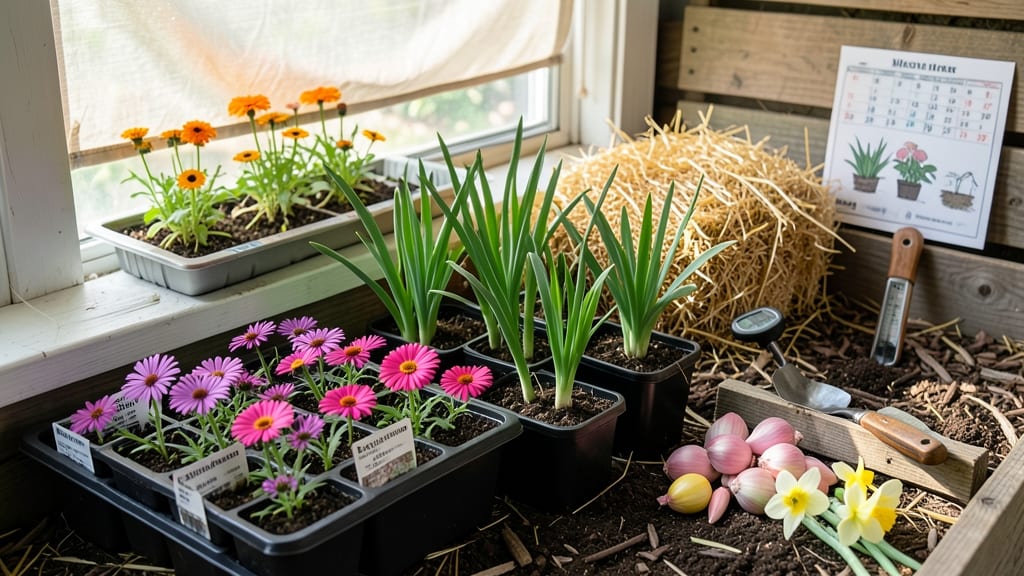
Planting flowers in Iowa at the right time ensures vibrant blooms and healthy growth, so timing your spring and fall windows by USDA zone and frost dates is the key to success.
Picture this: you’ve spent hours picking out your favorite 🌸 annuals and perennials, only to watch them wilt under a late frost or struggle in the heat. Iowa’s 5a-5b climate demands precision—plant too early, and frost zaps your seedlings; too late, and summer’s heat arrives before they bloom.
This guide breaks down the exact planting windows for Iowa’s most popular flowers, from cool-season pansies to heat-loving zinnias, plus pro tips to stretch your season without risking frost damage.
You’ll learn how to read your local frost dates, adjust for microclimates, and even use simple tricks like frost cloth to give your flowers a fighting chance—so you can enjoy a garden bursting with color from June through October.
Iowa’s frost-free dates by USDA zone: when to plant annuals vs perennials
Iowa’s USDA zones 5a-6b create distinct planting windows for flowers, where timing can make or break your blooms. The average last frost date ranges from mid-April in northern zones to early April in southern areas, while the first frost typically arrives by mid-October.
Understanding these dates helps you avoid frost damage while maximizing bloom time.
For annual flowers, both spring and fall planting work in Iowa.
Spring planting occurs after the last frost, while fall planting (for frost-tolerant varieties) happens 6-8 weeks before the first frost. Perennials, however, should only be planted in early spring (March-April) to give roots time to establish before summer heat arrives.
Here’s how Iowa’s zones break down with their frost-free windows and ideal planting times:
| USDA Zone | Avg Last Frost | Avg First Frost | Spring Planting Window | Fall Planting Window |
|---|---|---|---|---|
| 5a (North) | May 1 | Oct 1 | May 15-June 1 | Aug 15-Sept 15 |
| 5b (Central) | April 20 | Oct 10 | April 25-May 15 | Aug 1-Sept 1 |
| 6a (South) | April 10 | Oct 20 | April 15-May 1 | Aug 15-Sept 10 |
| 6b (Extreme South) | April 1 | Oct 25 | April 1-May 1 | Sept 1-Sept 15 |
In USDA Zone 5a, the latest frost often hits May 1, so wait until mid-May to plant warm-season annuals like marigolds or zinnias.
Meanwhile, Zone 6b gardeners can start planting as early as April 1. Perennials like coneflowers or black-eyed Susans should go in the ground by early April in all zones to avoid stunted growth.
Iowa’s microclimates can shift frost dates by 1-2 weeks. South-facing slopes warm up faster, while low-lying areas stay colder longer. Use frost cloths or wait for soil temperatures to reach 50°F before planting heat-loving flowers like petunias or geraniums.
For fall planting, focus on frost-hardy annuals like pansies or snapdragons, which can handle light frosts. Start seeds indoors in July or transplant established plants by mid-August. Perennials should never be planted in fall—they won’t establish roots before winter.
Always check your local Almanac’s frost predictions each year, as Iowa’s weather can vary. A late frost in May or an early one in October can throw off even the best-laid plans. Succession planting every 2-3 weeks after your zone’s last frost ensures continuous blooms all summer.
My pro tip: Mark your calendar with the last frost date from the previous year and adjust by 1-2 weeks for safety. This gives you a head start on planning and helps avoid those heartbreaking frost-bitten seedlings.
With these zone-specific windows, you’ll know exactly when to plant each type of flower for a showstopping Iowa garden—no guesswork required! 🌸
Best flower planting timeline by bloom type: cool-season vs warm-season flowers
Iowa’s cool-season flowers thrive in early spring and fall, while warm-season blooms need summer’s heat to shine. Getting the timing right ensures vibrant blooms all season long. Let’s break down the best planting windows for Iowa’s most popular flowers based on their temperature preferences.
For cool-season flowers like pansies and snapdragons, planting in early spring (March-April) or late summer (August-September) gives them the best start. These hardy plants tolerate light frost and even bloom through winter in milder spells.
Meanwhile, warm-season favorites like marigolds and zinnias should wait until after the last frost, typically mid-to-late May, to avoid frost damage.
🌱 Iowa Flower Planting Timeline by Bloom Type
- March-April: Plant cool-season flowers (pansies, violas, sweet alyssum) 4-6 weeks before last frost for early blooms. These handle 28°F temperatures and even light frost.
- Mid-May: Wait until after last frost (avg. May 15) to plant warm-season annuals (marigolds, zinnias, cosmos). Soil should be at least 60°F.
- June-July: Add succession plantings of warm-season flowers every 2-3 weeks for continuous blooms until frost. Examples: sunflowers, nasturtiums.
- August-September: Plant cool-season flowers again for fall/winter color. These will bloom until hard frost (20°F threshold) arrives in late October.
- October (before first frost): Transplant hardy perennials (coneflowers, black-eyed Susans) for spring establishment. Mulch heavily to protect roots.
My top tip for succession planting in Iowa? Stagger your warm-season flowers every 2-3 weeks from June through July. This ensures you’ll have continuous blooms from early summer through fall. For example, plant marigolds in mid-May, then again in late June and early August.
Don’t forget about frost-tolerant varieties like stock (Matthiola incana) or calendula, which can handle light frosts down to 20°F. These are perfect for extending your fall garden. Always check your local USDA zone (5a-6b) and microclimate—south-facing beds warm up faster than north exposures.
For container gardening, you can push limits by using heat mats or cold frames to start warm-season flowers indoors 4-6 weeks before last frost. This gives you a head start on the season. Just be ready to harden off plants gradually before transplanting outdoors.
Pro tip: Mark your calendar for Iowa’s average last frost (April 15) and first frost (October 15). These dates are your planting anchors. Adjust by 1-2 weeks based on your specific microclimate—urban areas may warm up faster than rural spots.