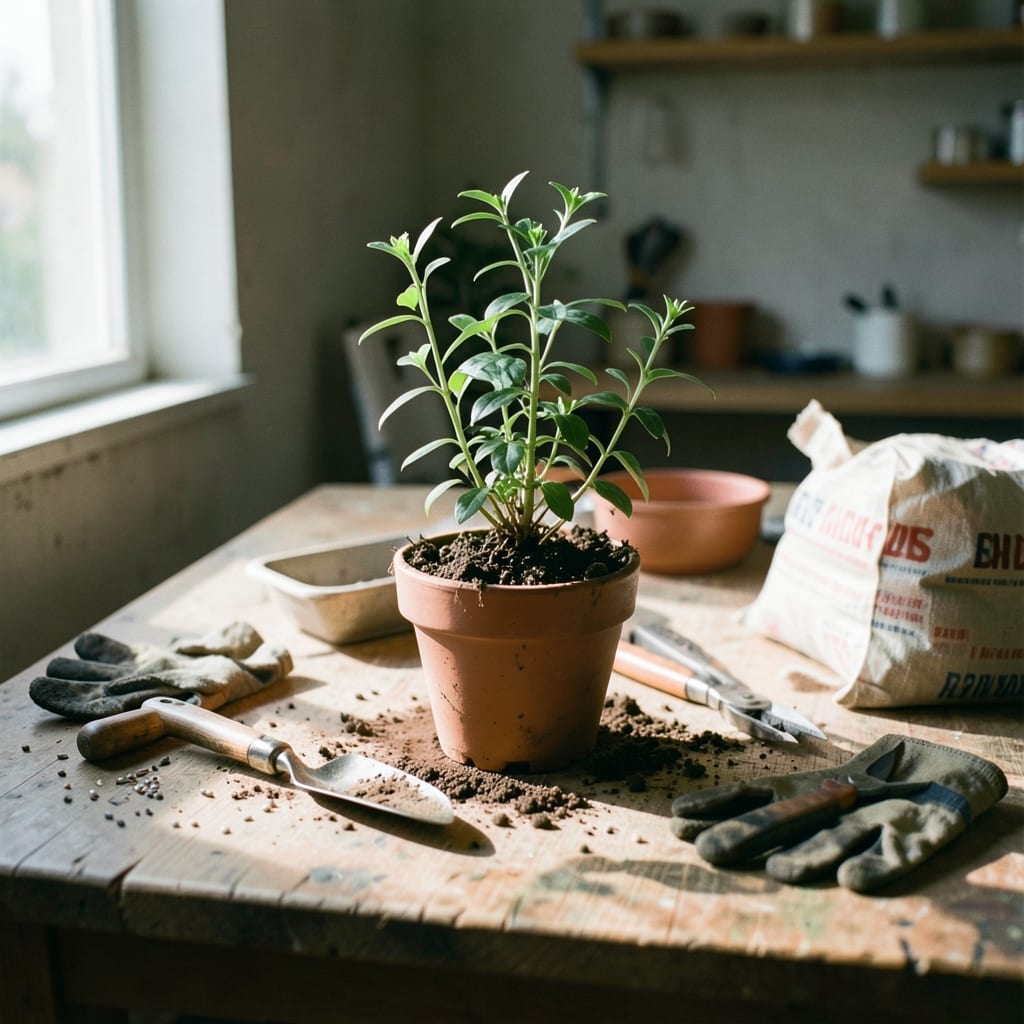
Why I started Flower Petal
I was knee-deep in a raised bed in my grandmother’s backyard, trying to coax a packet of marigold seeds into sprouting. The instructions on the back said ‘plant in full sun,’ but her garden was half-shaded by an old oak, and after three weeks, nothing had broken the soil.
My cousin, who’d been watching me dig, muttered something about ‘reading the dirt’ before he left for college. I still don’t know what that meant—until I started paying attention.
This site is for the rest of us: the people who’ve pressed a seed into the ground and wondered if they’d done it wrong, the ones who’ve watered too much or too little and watched their plants wilt anyway.
Here, you’ll find the tricks that actually work, the failures that teach more than the successes, and the quiet satisfaction of seeing something green where there was only dirt before. No fluff, no assumptions—just what I’ve learned, tested, and learned again.
Meet the founder

I still have the first trowel I used as a kid—a bent, rust-spotted thing my grandfather gave me when I was eight. It had a wooden handle split down the middle, and I spent the first summer trying to dig ‘proper holes’ for my sunflower seeds with it.
The holes were always lopsided, and the seeds would lean against the side of the trench like they were waiting for permission to grow straight. My grandfather just laughed and said, ‘Plants don’t care about your lines, boy.
They care about the dirt.’ That trowel’s still in the shed, handle taped with duct tape, because it’s the one I reach for when I’m teaching someone to plant their first row.
The real lesson came years later, when I moved into my first apartment and tried growing basil on a windowsill. The soil stayed soggy, the leaves turned yellow, and by the third week, it looked like something out of a horror movie.
That’s when I realized I’d been treating gardening like a science project instead of paying attention to what the plants were telling me. Too much water? The roots suffocate. Not enough light? The stems stretch like they’re reaching for the sun.
I started keeping a notebook by the window—soil moisture levels, sunlight hours, even the temperature of the radiator underneath—and that’s when things finally clicked.
Now, I spend my mornings crouched in the dirt, chasing sunlit patches and learning which plants thrive in the shade of my neighbor’s fence. I’ve killed more than I’ve saved, but every wilted leaf taught me something.
The site is just me sharing those lessons—what worked, what didn’t, and how to tell the difference between a problem and a phase. If you’re holding a packet of seeds right now, wondering if you’re doing it wrong, you’re already in the right place.
Meet the mascot

The first sketch of what would become the mascot started on a napkin at a café in Portland, where I’d gone to escape a downpour.
I was doodling a seedling—just a sprout with too many leaves, all jagged and uneven—when the waitress slid my coffee over and said, ‘That looks like something that’s been fighting its way out.’ I didn’t correct her.
The scribble had a stubbornness to it, like a plant pushing through pavement cracks. By the time I got home, I’d redrawn it properly: a single stem with three leaves, the roots tangled but determined, and a soil clump clinging to the bottom like a muddy shoe.
The next version was on graph paper, where I tried to make it look ‘official.’ The leaves got smoother, the roots more deliberate, and I added a tiny crack in the soil—because nothing good grows without a little struggle. But it still felt too busy.
So I simplified: one stem, two leaves, and a single root curling like a question mark. The crack stayed, because that’s the part that tells the story. Now it’s small enough to fit on a browser tab, but you can still see the dirt under its fingernails.
I named it *Sprout*—not because it’s perfect, but because it’s always growing. Some days it’s just a line on the page, other days it’s the face of a whole post. It’s there to remind me (and you) that gardening isn’t about having green thumbs.
It’s about paying attention, getting your hands dirty, and learning to listen to what’s trying to break through.
What I promise you
This site is built on three things: honesty, dirt, and the occasional lesson learned the hard way. You won’t find photos of ‘perfect’ gardens here—just real plants, real soil, and real mistakes.
What you *will* find are answers to the questions I wish I’d had when I was starting: how deep to plant a carrot, why your tomatoes keep splitting, or how to tell if your compost is ready.
No fluff, no assumptions, and definitely no ‘secret’ tricks that only work in a greenhouse.
What you can hold me to
- Every plant mentioned has been grown by me—seeds, cuttings, or transplants—within the last year.
- Measurements are in standard units (teaspoons, inches, gallons) with metric conversions where they matter.
- If a step says ‘until,’ it means you’ll need to check it yourself—no vague timers or ‘when it looks done.’
- The failures are here too. If a method didn’t work, I’ll tell you why and what I’d try next time.
How I create a post
A post starts with a question—usually one I’ve been asking myself while digging in the garden. Is it too late to plant beans? Why did my peppers turn bitter? How do I keep slugs off my lettuce?
I write the first draft with my hands still dirty, the soil still warm under my fingers, and the tools I used still leaning against the fence.
The notes are messy: soil pH levels scribbled next to seed packets, photos of wilted leaves taped to the fridge, and margins full of ‘???’ where I’m not sure what went wrong.
The real work happens when I step back and ask: *Would this help someone else?* That’s when I cut the rambling, add the measurements I wish I’d known, and make sure every step could be followed by a beginner.
The best posts aren’t the ones that sound smart—they’re the ones that make you feel like you could try it tomorrow, even if you’ve killed every plant you’ve ever owned.
The first stage: testing
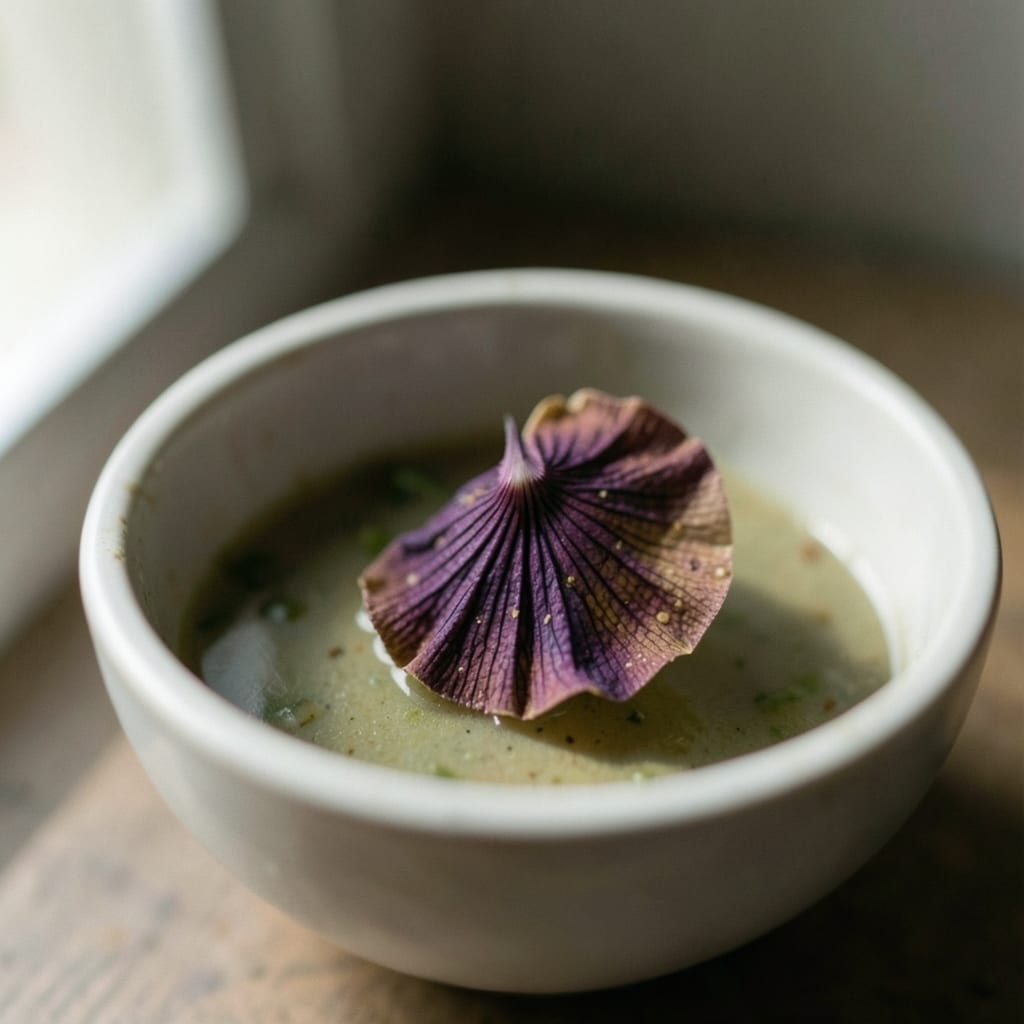
Testing starts in the soil—not in a notebook, not in a theory, but in the actual dirt where the plants will live. I divide my garden into thirds: one for control (what I know works), one for experimentation (the new methods), and one for disasters (where I learn the most).
For seeds, that means planting three rows of the same variety: one in full sun, one in partial shade, and one with extra compost. For transplants, it’s about timing—some need to harden off for two weeks, others can go straight into the ground if the nights stay above 55°F.
The first thing I watch for is the soil. If it’s too dry, the roots won’t drink; if it’s too wet, they’ll drown. I check moisture by pressing my thumb into the dirt—if it springs back, it’s dry; if it stays indented, it’s holding water. Then I wait.
Not for the ‘right’ time, but for the *plant’s* time. A seedling that’s been fighting its way up through compacted soil won’t care about your schedule. It’ll tell you when it’s ready.
The second stage: fixing
Fixing isn’t about covering up mistakes—it’s about understanding why they happened. If the leaves turn yellow, I check the soil pH (too alkaline) and the water (chlorine burn). If the stems rot at the base, it’s overwatering or poor drainage.
I keep a log: what I did, what happened, and what I’d change next time. Sometimes the fix is simple—a mulch layer to hold moisture, a trellis to support vines—but other times it’s about patience. Rushing a transplant into cold soil?
The roots will refuse to spread until the ground warms up.
The real test comes when I repeat the process with the fix in place. Did the extra compost save the peppers from blossom end rot? Did the shade cloth keep the lettuce from bolting? If not, I go back to the drawing board. Gardening isn’t about perfection—it’s about iteration.
Every ‘fix’ is just another lesson in listening to the plants.
How a post gets onto this site
A post lives in three places before it’s published: my garden notebook (where the real work happens), a draft on my phone (so I don’t forget the details), and a pile of photos on my desk (some of which I’ll never use).
I write the first version while the soil is still damp under my knees, the tools are still out, and the lesson is fresh. Then I let it sit for a week—long enough to forget the details, short enough to remember the frustration.
That’s when I ask: *What would I need to know if I were starting over?*
The final version is stripped down to what matters: the steps that actually work, the warnings about what can go wrong, and the small details that make the difference between success and failure. If a method didn’t work, I’ll say so. If I’m not sure, I’ll say that too.
The goal isn’t to sound like a gardening guru—it’s to give you the tools to grow something, even if it’s just a single herb on your windowsill.
Write to me
I love hearing about your first successes—and your biggest failures. Did your tomatoes split because of the rain? Did your basil finally take off after you moved it to a sunnier spot? Are you still waiting for those seeds to sprout?
I’ll reply with what I’ve learned (and what I’d try next). The contact page is the best place to start—no need for formalities, just the dirt, the details, and what you’re trying to grow.
And if you’re just starting? Welcome. The best time to plant a tree was twenty years ago. The second-best time is now.
The guides are grouped by category: Advice, Aphids, Blooming, Companion Plants, Container Gardens and Diseases.