
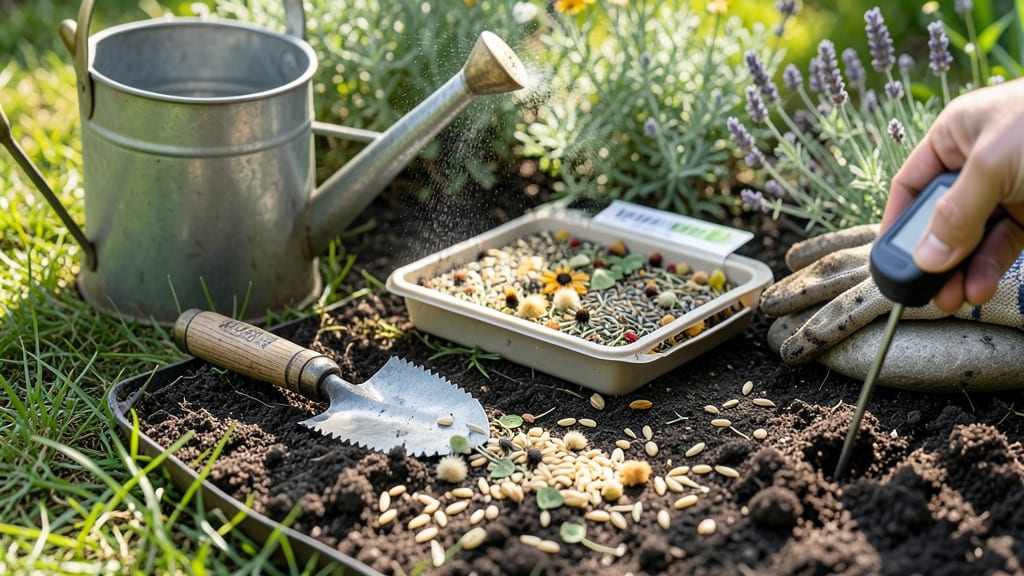
How Long Does It Take Wildflowers to Germinate: Speed Up Sprouting With Soil Temp Hacks

Propagation

How Long Does It Take Wildflowers to Germinate: Speed Up Sprouting With Soil Temp Hacks

Wildflowers take between 5 and 60 days to germinate, depending on species, soil warmth, and moisture—but most need the right conditions to sprout within 2 to 3 weeks.

Wondering why your wildflower seeds aren’t sprouting fast enough? Germination time can vary dramatically based on species, soil conditions—and one critical factor most gardeners overlook: soil temperature.

Too cool, and seeds linger; too hot, and they may fail entirely. The key is finding that sweet spot where nature and prep work align.

Annual wildflowers like cosmos and zinnias often pop up in 5 to 14 days when soil hits 70–85°F, while perennials such as black-eyed Susans or coneflowers may take 14 to 28 days or longer, especially if they need cold stratification.

Even a 10°F difference in soil temp can double your wait time.

Below, I’ll break down how to read your seeds’ signals, tweak your soil for faster sprouts, and fix the 5 biggest mistakes that turn weeks into months. Ready to speed up those 🌼?

🌼 Your Wildflowers Journey
From seed to harvest in General
Plant
March
Grow
Spring-Summer
Harvest
Varies by
Best Time to Plant in General
March - April, September - October
Scatter seeds lightly on prepared soil; do not bury deeply (most need light to germinate).

Wildflower germination times by species: fastest to slowest sprouters

Wildflower seeds don’t all sprout at the same speed—some pop up in just 5 days, while others take 60+ days to break through the soil. The difference often comes down to whether you’re planting annuals (fast growers) or perennials (slower starters).

Even within the same family, cosmos might surprise you with 7-day sprouts, while black-eyed susans play the waiting game for 3-4 weeks.

Most wildflowers need warm soil (60-85°F) to germinate, but a few—like lupines—thrive with cold stratification (a winter chill). This natural timing ensures they don’t all grow at once, preventing overcrowding. Knowing your wildflower’s germination window helps you plan for successive plantings or adjust expectations when seeds seem "stuck."

Below, I’ve ranked 12 common wildflowers from fastest to slowest germinators, including their ideal soil temperature ranges and pro tips to speed up the process. Pro tip: Annuals like cosmos and zinnias are your quick wins, while perennials like coneflowers and bee balm demand patience—and sometimes a little trickery.

Wildflower Germination Time Ideal Soil Temp (°F) Type Pro Tip
Cosmos 5–14 days 70–85°F Annual Scatter seeds on bare soil—no covering needed!
Zinnias 6–21 days 70–80°F Annual Direct-sow after last frost for bold blooms.
Sunflowers (dwarf) 7–28 days 65–80°F Annual Press seeds lightly into soil—no deeper than 1 inch.
Marigolds 7–14 days 75–85°F Annual Soak seeds overnight to soften hard coats.
Lupines 14–30 days 50–70°F (needs cold) Perennial Stratify seeds in fridge for 4–6 weeks before planting.
Black-Eyed Susans 14–28 days 60–75°F Perennial Lightly rake soil to expose seeds—don’t bury!
Coneflowers 14–42 days 65–75°F Perennial Plant in fall for natural cold stratification.
Bee Balm 21–30 days

How soil temperature accelerates (or delays) wildflower germination

Soil temperature acts like a silent speed regulator for wildflower seeds—too cold and they stall, too hot and they may fail to sprout at all. Most wildflowers thrive when soil temperatures hover between 70°F and 85°F, where metabolic activity kicks into high gear.

Below 50°F, germination slows dramatically, while above 90°F, seeds risk drying out before they even wake up. Understanding these thresholds helps you time plantings perfectly for your climate.

Annual wildflowers like cosmos and zinnias are the speed demons of the garden, often sprouting in just 5-14 days when soil temps are ideal. Perennials, however, play the long game—species like coneflowers and black-eyed Susans may take 14-45 days to break through the soil.

The difference? Perennials often require cold stratification, a natural "winter nap" that breaks seed dormancy through exposure to cold, moist conditions.

Germination Speed by Soil Temp

Below 50°F
❄️ Stalled
50-60°F
🐢 Very Slow
60-70°F
🌱 Moderate
70-85°F
⚡ Fast
Above 90°F
🔥 Risky
❄️ = No germination | 🐢 = 30+ days | 🌱 = 7-28 days | ⚡ = 5-14 days | 🔥 = Seed failure

For perennials needing cold stratification, mimic nature by placing seeds in a moist paper towel inside a sealed bag and refrigerating for 2-4 weeks before sowing. This trick works wonders for tough seeds like lupines or bluebonnets, which might otherwise sit dormant for years.

Even annuals benefit from a brief cold snap—some gardeners pre-chill seeds for 1-2 weeks to ensure faster, more uniform germination.

In cooler climates, use black plastic mulch or seedling mats to raise soil temperatures by 10-15°F and jumpstart sprouting. Lay the mulch 1-2 weeks before planting to warm the soil naturally. For container gardens, opt for heat mats or place trays on a sunny windowsill—just monitor closely to avoid overheating.

Pro tip: Use a soil thermometer to track temps; most garden centers sell them for under $10.

Extreme heat can be just as damaging as cold. If your region hits 90°F+ soil temps, sow seeds in shaded beds or use lightweight shade cloth (30-50% coverage) to protect them.

Evening watering helps too—keeping soil moist overnight prevents rapid drying. Remember, wildflowers are survivors, but pushing their limits with temperature extremes often backfires on impatient gardeners.

Timing is everything: Plant annuals when daytime temps consistently reach 65°F+ and nighttime temps stay above 50°F. For perennials, aim for 4-6 weeks before your last frost date to give seeds time to germinate before winter sets in.

Patience pays off—once you master soil temperature, you’ll see sprouts emerge in record time, transforming your garden into a vibrant wildflower paradise in no time. 🌿

★★★★★4.7(11 reviews)
Categories Propagation