
Plants
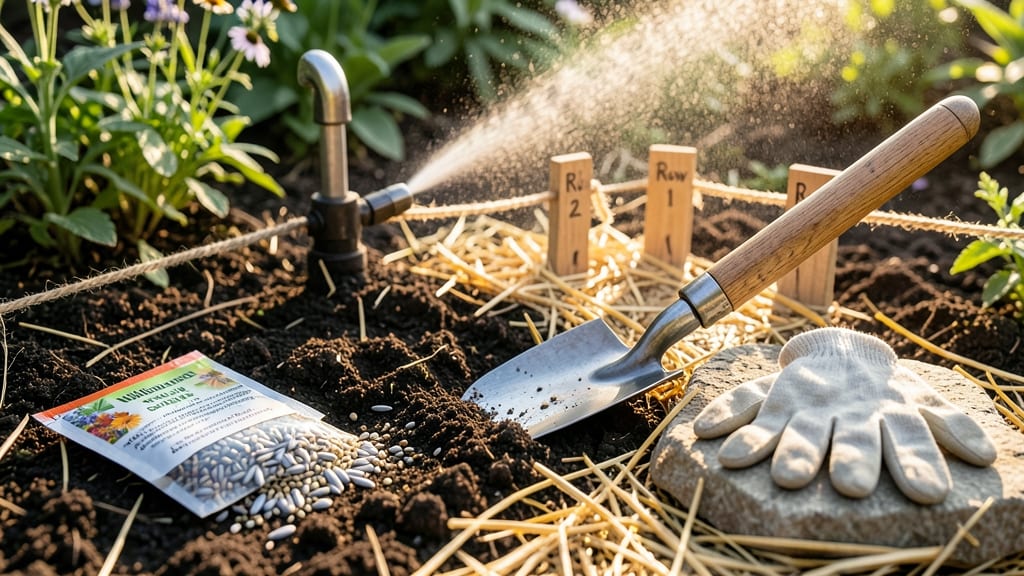
Plant wildflower seeds in spring when soil temperatures reach 40°F–65°F—the sweet spot for fast germination and vibrant blooms.
Spring’s fleeting window for wildflower planting can mean the difference between a vibrant meadow and a missed opportunity—soil temperature holds the key to unlocking faster blooms and stronger growth.
If you’ve ever waited too long and watched your seeds sprout too late or too early, you know how critical timing is.
In USDA Zone 6a, that window typically opens in early March, but a quick soil check (or even a seed packet’s planting instructions) can save you from guessing.
Below, I’ll break down the exact soil temps to aim for, regional adjustments, and fast tricks to prep your soil for success—so you can enjoy a burst of color by late spring.
Optimal soil temperature ranges for planting wildflower seeds in spring
Spring’s fleeting window for wildflower planting can mean the difference between a vibrant meadow and a missed opportunity—soil temperature holds the key to unlocking faster blooms and stronger growth. Most wildflower seeds germinate best when soil temperatures consistently reach between 40°F and 65°F.
This range ensures seeds break dormancy without risking rot or premature sprouting in cold soil. Understanding these thresholds helps you align planting with your local climate for the best results.
Not all wildflowers thrive at the same soil temperatures. Cold-hardy varieties like bluebonnets and lupines can germinate as early as 40°F, while heat-sensitive species such as black-eyed Susans and coneflowers prefer soil between 55°F and 65°F.
Mixing species with different temperature needs can extend your blooming season but requires careful timing to avoid uneven germination.
To test soil warmth accurately, use a soil thermometer (available for under $10) by inserting it 2–3 inches deep—this mimics the depth where most wildflower seeds germinate.
For a DIY moisture test, grab a handful of soil: if it crumbles easily when dry but holds shape when moist, it’s likely in the ideal 50°F–60°F range for planting. Always check temperatures in the late afternoon when soil is warmest.
Regional adjustments are critical—northern climates (USDA Zones 3–5) may need to wait until late April or May when soil warms to 50°F+, while southern zones (Zones 7–9) can plant as early as February when temperatures hover around 55°F–65°F.
Always check your last frost date and add 2–4 weeks to ensure seeds won’t be exposed to freezing nights.
If your soil runs cooler than ideal, use black plastic mulch or clear plastic tunnels to raise temperatures by 5–10°F within days. For heat-sensitive seeds, create shade with row covers or plant in partial shade until soil cools slightly.
Avoid planting when forecasts predict unseasonable heat waves (above 75°F)—seeds can dry out before germinating.
Seed packets often include planting instructions that reference soil temperature, but these are general guidelines. For example, a packet labeled “plant in early spring” might still specify “wait until soil reaches 50°F”.
When in doubt, prioritize consistent warmth over calendar dates—seeds won’t germinate reliably in cold, wet soil, even if planted “on time.”
Once planted, maintain even moisture (not soggy) until germination. Most wildflower seeds need light to sprout, so avoid burying them deeper than ¼ inch. After sprouts appear, thin seedlings to 6–12 inches apart (depending on the species) to prevent competition.
Mulch lightly with straw or grass clippings to retain moisture and regulate soil temperature.
Monitor your meadow’s progress by tracking bloom times—early-flowering species like poppies may bloom in 6–8 weeks, while later varieties like coneflowers take 10–12 weeks. Adjust future plantings based on what thrives in your microclimate.
With the right soil temperature strategy, your wildflower meadow will reward you with months of color and pollinator activity.
Pro tip: Keep a gardening journal to note soil temps, planting dates, and bloom success. Over time, you’ll refine your timing to create a longer-lasting display with minimal effort. Happy planting—your future meadow starts with a thermometer and a seed!
Regional spring planting timelines by US climate zones (3–9)
Timing your wildflower seeds correctly in spring depends entirely on your USDA climate zone and local frost patterns. In colder zones like Zone 3, late frosts can linger until mid-May, while warmer Zone 9 areas may see blooms as early as February.
Understanding these regional windows ensures your seeds germinate at the right time for robust growth.
Each zone also supports different wildflower varieties. For example, black-eyed Susans thrive in Zones 4–9, while poppies prefer the cooler climates of Zones 3–7. Matching your seeds to your zone maximizes success and minimizes wasted effort.
- 📍 Zone 3–4: Wait until late April–May after last frost. Ideal for poppies and lupines.
- 📍 Zone 5–6: Plant in April–early May. Perfect for coneflowers and bee balm.
- 📍 Zone 7–8: Start sowing in March–April. Great for black-eyed Susans and coreopsis.
- 📍 Zone 9: Plant in February–March for early blooms. Try sunflowers and gaillardia.
Before planting, prepare your soil by removing weeds and loosening the top 2 inches of soil. Wildflower seeds need good contact with the earth but shouldn’t be buried deeper than ¼ inch. Lightly rake the area to create a fine, even surface for scattering seeds.
After sowing, keep the soil consistently moist but not soggy. In drier zones like Zone 9, mulch lightly to retain moisture. In wetter zones like Zone 4, avoid overwatering to prevent seed rot. Most wildflowers establish roots within 2–4 weeks, so patience is key.
Once your wildflowers are established, they’ll attract pollinators like bees and butterflies while requiring minimal maintenance. Choose native species for your zone to support local ecosystems and enjoy low-water, high-impact blooms all season long.
For a zone-specific checklist, note your last frost date, select seeds suited to your climate, and mark your calendar for the optimal planting window. With the right timing, you’ll transform bare soil into a colorful meadow by summer! 🌻