
Plants
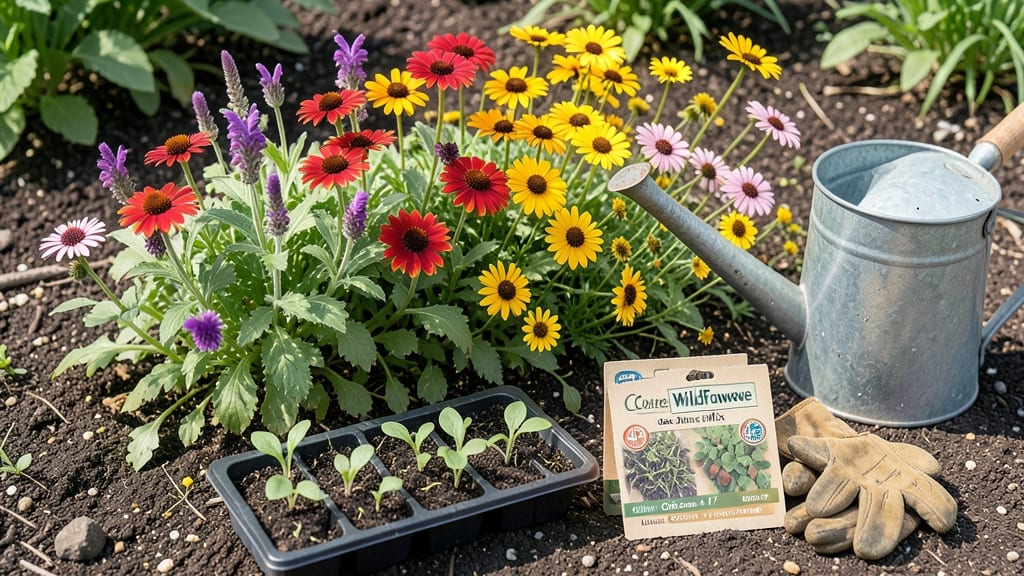
Planting wildflower seeds in Colorado at the right time means the difference between a meadow bursting with color 🌼 and a patch of dirt that never takes.
Colorado’s diverse elevations create a unique challenge for wildflower gardeners—plant too early, and frost ruins your blooms; too late, and weeds take over. Timing isn’t just about seasons—it’s about altitude, soil moisture, and even the last frost date in your specific region.
Whether you’re in the lowland Front Range or the high-altitude Western Slope, knowing when to plant—spring or fall—can make or break your wildflower dreams. The wrong timing means struggling with slow germination, weak seedlings, or even total failure.
In this guide, I’ll break down the best planting windows by elevation, compare spring vs. fall strategies, and share Colorado-specific tips to ensure your wildflowers thrive from seed to bloom.
Best planting months for Colorado wildflower seeds by elevation zone
Colorado’s dramatic elevation changes mean what works in Denver (5,280 ft) fails in Aspen (8,000 ft). Lowland areas warm earlier, while mountain regions stay cold longer. To succeed, match your planting window to your specific elevation zone—and account for frost-free dates that shift dramatically across the state.
For lowland zones (2,500–5,000 ft), like the Front Range and Eastern Plains, aim for early spring (March–April) or late summer (August–early September). These areas typically have 120–150 frost-free days, giving wildflowers like black-eyed Susans and purple coneflowers ample time to establish before winter.
At foothills elevations (5,000–7,500 ft), such as Boulder County or Colorado Springs, shift your timing slightly later. Spring planting should wait until late April to early May to avoid late frosts, while fall planting extends to mid-September.
Native species like blue grama and yarrow thrive here with this adjusted schedule.
For mountain regions (7,500+ ft), including Gunnison or Leadville, focus on late spring (May–June) or early fall (August). These areas often have only 90–120 frost-free days, so early bloomers like columbine and larkspur need a head start. Avoid planting before May 15 unless using cold-hardy species.
| Elevation Zone | Best Planting Windows | Frost-Free Days | Top Native Species |
|---|---|---|---|
| Lowland (2,500–5,000 ft) | March–April (spring) or August–early Sept (fall) | 120–150 days | Black-eyed Susan, Purple Coneflower, Blanket Flower |
| Foothills (5,000–7,500 ft) | Late April–early May (spring) or mid-Aug–Sept (fall) | 90–120 days | Blue Grama, Yarrow, Pasque Flower |
| Mountain (7,500+ ft) | May–June (spring) or early Aug (fall) | 60–90 days | Columbine, Larkspur, Penstemon |
Use last frost dates as your guide. Check the Colorado State University Extension for your specific location, but generally, Denver’s last frost averages April 15, while Telluride’s averages May 20.
For fall planting, aim to sow seeds 6–8 weeks before your first frost—this ensures roots establish before winter.
Soil temperature matters just as much as air temperature. Wildflower seeds typically need soil at 40–60°F to germinate. In lowland zones, soil warms quickly by March, but in mountain regions, wait until soil reaches 50°F+—often late May or June. Use a soil thermometer to avoid guesswork.
Adjust for microclimates, too. South-facing slopes warm faster than north-facing ones, while urban heat islands in cities like Colorado Springs can push planting dates 1–2 weeks earlier. Observe your yard’s unique conditions for 3–5 years to refine your timing.
If you’re unsure, fall planting is often the safest bet across all elevations. Seeds germinate in spring when conditions are ideal, reducing weed competition. For lowland zones, sow by September 15; for mountains, aim for August 1–15.
Pro tip: Mix early bloomers (like pasque flowers) with late-season varieties (like goldenrodlayered approach ensures continuous color from May through October, regardless of elevation.
Remember, Colorado’s wildflowers are resilient—but timing is everything. Get it right, and you’ll enjoy vibrant meadows for years with minimal effort. Start with your elevation zone, then fine-tune based on microclimates and soil conditions. Happy planting! 🌼
Spring vs fall planting: which works Better for Colorado wildflowers?
Deciding between spring and fall planting for Colorado wildflowers depends on your elevation zone and native species. Both seasons offer unique advantages, but understanding their trade-offs helps you choose the best strategy for your garden.
In my experience, fall planting often wins for Colorado’s variable climate, but spring has its place for certain species.
Spring planting (March-May) works well for fast-growing annuals like black-eyed Susans and cosmos, which bloom quickly and tolerate Colorado’s dry heat. However, early spring frosts can still damage tender seedlings, especially at higher elevations. The key is to wait until soil temperatures consistently stay above 50°F—typically after the last frost date for your region.
Fall planting (September-October) is ideal for perennials like prairie coneflowers and blue grama, which establish strong roots before winter. Cooler temperatures reduce weed competition, and fall rains provide natural moisture. However, planting too late risks seeds sprouting before frost, so aim for 6-8 weeks before your first frost date—usually by mid-September in most of Colorado.
Spring Planting
Pros
- ✅ Faster bloom time for annuals
- ✅ Less weed competition early in season
- ✅ Better for heat-tolerant species
Cons
- ❌ Risk of late frost damage
- ❌ Requires consistent watering
- ❌ Shorter growing window at high elevations
Fall Planting
Pros
- ✅ Stronger root establishment before winter
- ✅ Natural moisture from fall rains
- ✅ Reduced weed pressure
Cons
- ❌ Limited window before frost
- ❌ Slower bloom time next season
- ❌ Requires precise timing
For lowland areas (2,500-5,000 ft), spring planting works well for annuals like blanketflower and beauty-of-the-night, while fall planting suits perennials like yarrow and purple coneflower. At higher elevations (7,500+ ft), fall planting is safer for most species due to shorter growing seasons.
Always check soil moisture—Colorado’s dry air can dry out seeds quickly, so mulch lightly after planting.
My top recommendation? Start with fall planting for perennials and mix in spring annuals for instant color. Test a small patch each season to see what thrives in your microclimate. Remember, moisture retention is critical—use mulch or lightweight row covers to protect seeds from drying winds.
Experiment with species-specific timing: Prairie coneflowers thrive with fall planting, while blue grama benefits from spring sowing. Keep notes on what works best in your garden—your future blooms will thank you! 🌼