
Flowers
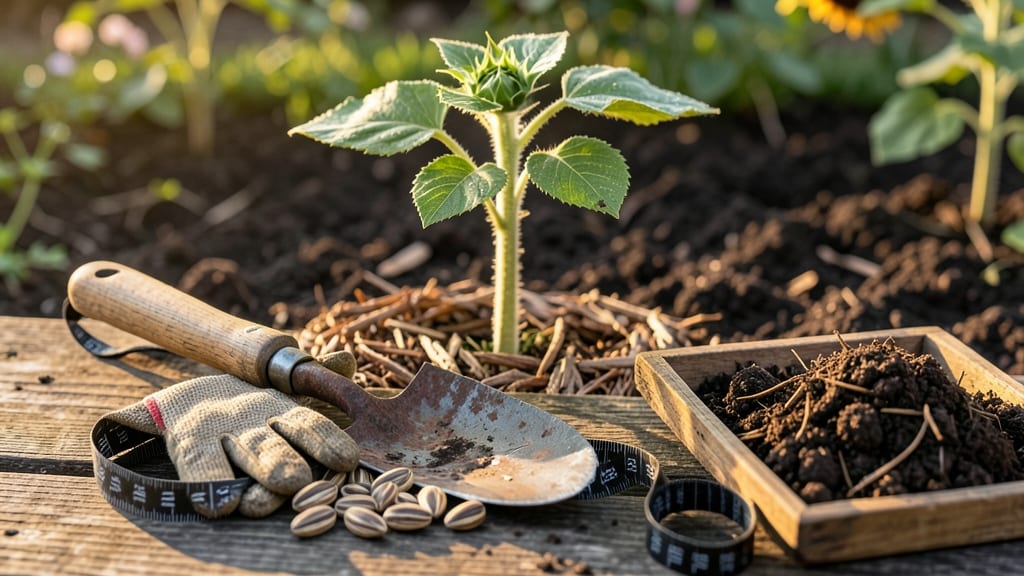
Planting sunflowers in San Diego between late winter and early spring unlocks their full potential 🌻 — but timing matters more than you might think.
With mild winters and rare frost, you might assume you can sow anytime. Yet, planting too early can leave young sunflowers struggling in cooler soil, while waiting too long risks missing the best bloom season. The sweet spot? Early March or just after your last frost date, whichever comes first.
San Diego’s 10a climate means you can grow sunflowers year-round, but the tallest, most vibrant stalks come from that early start. Whether you’re aiming for 10-foot giants or cheerful 3-foot varieties, the right timing ensures strong roots, faster growth, and a longer harvest window from April through September.
Below, I’ll break down the exact months to plant, how to prep your soil for San Diego’s unique microclimates, and which sunflower types thrive best in your area—so you can enjoy sunflowers that tower over your garden all season long.
San Diego’s sunflower planting timeline: best months and frost dates
San Diego’s mild winters and long growing season make it one of the best places to grow sunflowers year-round. However, even in USDA Zone 10a, timing matters—especially for maximizing stalk height and bloom size.
Unlike colder climates, frost is rare, but soil temperature and microclimates (coastal vs. inland) still influence when to plant for the best results.
Most gardeners in San Diego plant sunflowers between January and March, but the optimal window depends on your location. Coastal areas like La Jolla or Del Mar experience cooler soil temperatures longer, while inland spots like Escondido or El Cajon warm up faster.
Understanding these differences helps you avoid stunted growth or missed blooms.
Here’s the key: Sunflower seeds germinate best when soil reaches 55°F (13°C). Inland areas often hit this mark by early March, while coastal regions may need to wait until late March or April.
Since frost is extremely rare in San Diego, you don’t have to wait for a "last frost date"—but soil warmth is critical for strong starts.
If you plant in early March, you’ll get a head start on taller stalks and earlier blooms, but you’ll need to monitor soil moisture closely. Inland areas can plant 2–3 weeks earlier than coastal zones because their soil warms faster.
For example, Escondido might see germination by mid-February, while Pacific Beach may need to wait until late March.
Sunflowers grow in 3 distinct stages: germination (7–14 days), vegetative growth (3–6 weeks), and flowering (6–12 weeks). Planting too early in cool coastal soils can delay germination, while planting too late in inland areas might reduce final height.
Aim for April–May blooms by adjusting your planting date based on your microclimate.
Pro tip: Use a soil thermometer to check temperatures before planting. If your soil is below 55°F, wait a few weeks or use black plastic mulch to warm it faster. This is especially useful in coastal gardens where ocean breezes keep soils cooler longer.
For maximum height, prioritize planting in January or February if you’re inland. Coastal gardeners should aim for late February to March. If you miss these windows, don’t worry—sunflowers are resilient and can still thrive if planted in April or May, though they’ll bloom later in the season.
One common mistake is assuming San Diego’s frost-free climate means you can plant anytime. While frost is rare, soil temperature and day length still matter. For instance, planting in December might result in bolting (rapid flowering) due to longer daylight hours, which can reduce stalk height.
To extend your growing season, try succession planting every 2–3 weeks from January through May. This ensures continuous blooms from spring to fall and maximizes your sunflower harvest. Pair taller varieties like 'Russian Giant' with shorter types like 'Teddy Bear' for a layered look in your garden.
🌻
How to choose between early March planting and frost-free timing for maximum height
San Diego’s mild winters let you plant sunflowers earlier than most regions, but the choice between early March sowing and waiting for frost-free timing can dramatically impact your plants’ height and bloom performance.
Since frost is rare here, the real decision comes down to soil warmth, germination speed, and your height goals—taller varieties need a longer growing season.
Direct sowing in early March gives sunflowers a head start, but cooler soil can slow germination. Transplanting after the last frost (typically mid-April in inland areas) ensures faster growth and stronger stalks, but you’ll miss out on early blooms.
For maximum height, balance these factors with your local microclimate—coastal areas stay cooler longer, while inland zones warm up quicker.
Early March Planting vs. Frost-Free Timing
Early March Planting
- ✅ Pros:
- Longer growing season for taller varieties
- Earlier blooms (great for seasonal displays)
- Lower risk of pests/diseases in cooler months
- ❌ Cons:
- Slower germination in cool soil (55°F+ ideal)
- Shorter stalks if daylight shortens too soon
- Requires extra protection if late frosts occur
Frost-Free Timing (April–May)
- ✅ Pros:
- Faster germination in warmer soil
- Stronger, taller stalks (ideal for giants)
- Less need for season extenders
- ❌ Cons:
- Later blooms (misses early summer displays)
- Higher pest pressure in peak heat
- Shorter season for late varieties
💡 Tip: Use black plastic mulch in March to warm soil faster and speed up germination.
For maximum height, prioritize early March planting if you’re growing tall varieties like ‘Russian Giant’ (12–15 ft). These need 100+ days to reach full height, and starting early ensures they don’t rush to bloom before maturing.
However, if you’re in a coastal microclimate, wait until late March—soil stays cooler longer, delaying growth.
Transplanting after the last frost (usually April 15–May 1 inland) is ideal for drought-resistant varieties like ‘Autumn Beauty,’ which thrive in hotter conditions. This method also reduces the risk of leggy, weak stalks caused by rapid early growth.
To boost height, stake tall varieties at planting and use a balanced fertilizer (5-10-10) every 4–6 weeks.
Extend your growing season with row covers or cold frames if planting in March. These protect young seedlings from unpredictable late frosts (though rare, they can happen in coastal areas). For drought resistance, choose ‘ProCut’ or ‘Moulin Rouge’—both tolerate San Diego’s dry spells better than giant varieties.
Test your soil’s readiness by checking depth with a soil thermometer. Aim for 55°F+ for germination. If soil is cooler, delay planting or use heat mats for seed trays. Remember: taller sunflowers need more water—deep soak weekly once established to prevent hollow stems.