
Plants
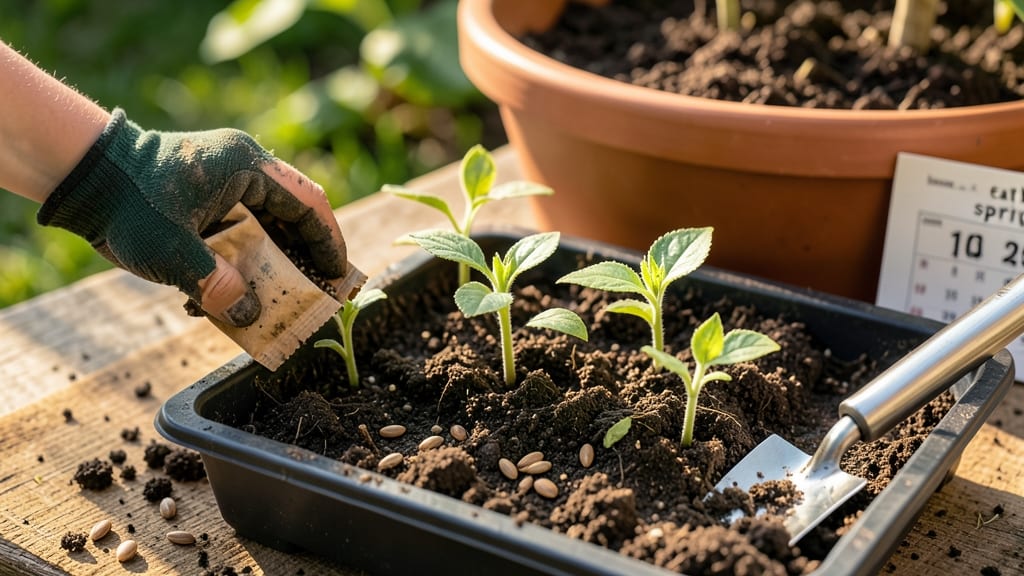
Plant sunflower seeds in Ohio after your last frost—typically mid-April to early June for USDA Zones 6a-6b—when soil temperatures hit 50°F and stay there.
Ohio’s unpredictable spring weather can turn sunflower seeds from a vibrant garden centerpiece into a failed experiment—unless you time your planting perfectly. Missing the frost-free window means stunted growth, while planting too early risks frost damage, but here’s the exact schedule to maximize your 🌻 potential.
Most gardeners in Ohio wait until late April or early May, but rural areas in Zone 5 may need to push planting into early June. The key is soil warmth: cold soil slows germination, leaving your seeds vulnerable to rot or pests.
Below, I’ll break down the best planting windows by region, soil prep tips to speed up growth, and how to extend your blooming season with staggered plantings—so you’re not left with just one showstopper in August.
Ohio sunflower planting deadlines by USDA Zone 5-6: exact dates to avoid frost damage
Ohio’s USDA Zones 5-6 bring unique challenges for sunflower growers, where a late frost can devastate young seedlings. According to Ohio State University Extension, the average last frost date ranges from April 15-30, but urban areas like Columbus often experience frost 7-10 days later than rural zones.
To avoid frost damage, I’ve broken down the optimal planting windows for both direct sowing and transplants.
For direct sowing, wait until the soil temperature consistently reaches 55°F (13°C)—typically mid-to-late May in Zone 5 and early-to-mid May in Zone 6. Transplants, however, can go in 2-3 weeks earlier once the last frost has passed, as they’re more resilient.
This timing ensures your sunflowers (Helianthus annuus) have enough warmth to germinate and grow before Ohio’s unpredictable late-spring frosts strike.
| USDA Zone | Last Frost Date | Direct Sow Window | Transplant Window | Soil Temp Threshold |
|---|---|---|---|---|
| Zone 5 (Northern OH) | April 15–May 1 | May 15–June 1 | April 30–May 15 | 55°F (13°C) |
| Zone 6 (Central/Southern OH) | April 20–May 5 | May 1–May 15 | April 25–May 1 | 55°F (13°C) |
| Urban Microclimate (e.g., Columbus) | May 1–May 10 | May 20–June 1 | May 1–May 15 | 55°F (13°C) |
If you’re in Zone 5, aim to plant direct-sown seeds between May 15 and June 1. This window ensures your sunflowers have 90-100 days to mature before the first frost in mid-October.
For Zone 6, you can start as early as May 1, but I recommend waiting until May 15 to align with soil warming trends observed in Ohio State’s long-term data.
For transplants, which are more frost-tolerant, you can push the timeline 2-3 weeks earlier. Start seeds indoors under grow lights in late March and transplant 4-6 weeks later, once nighttime temperatures stay above 45°F (7°C).
This method is ideal for early-blooming varieties like ‘Autumn Beauty’ or ‘Teddy Bear,’ which thrive with a head start.
Ohio’s microclimates play a huge role in frost risk. Urban areas like Columbus or Cleveland often experience frost 7-10 days later than rural zones due to the urban heat island effect.
To adjust, monitor local weather forecasts from NOAA’s Ohio Climate Network or use a soil thermometer to confirm 55°F (13°C) soil temps before planting.
Protect young seedlings from unexpected frosts using row covers or cloches if nighttime temps dip below 40°F (4°C). These tools create a 5-10°F buffer, giving your sunflowers a fighting chance.
I’ve also had success with black plastic mulch, which warms the soil 2-3°F faster than bare earth—critical for Ohio’s cool springs.
If you miss the spring window, don’t despair! Sunflowers are fast growers and can still thrive with a late-June planting. While blooms may arrive later, varieties like ‘Moulin Rouge’ produce vibrant red flowers even when planted in early July.
Just ensure they have at least 60 days of warm weather to mature before frost.
For maximum height and seed production, prioritize full-sun locations with 6+ hours of direct light daily. In Ohio, this often means south-facing gardens or areas near reflective surfaces like fences or walls. Avoid planting near large trees, which compete for water and nutrients, stunting your sunflowers’ growth.
Finally, test your soil pH before planting—sunflowers prefer 6.0-7.5. Ohio’s clay-heavy soils often need compost or aged manure to improve drainage. Amend the soil 2-3 weeks before planting to give microbes time to break it down, ensuring your sunflowers get the phosphorus-rich start they need.
By following these Ohio-specific deadlines and adjustments, you’ll avoid frost damage and enjoy towering sunflowers that reach their full potential—whether you’re growing them for cut flowers, birdseed, or sheer joy. Happy planting! 🌻
How to extend your Ohio sunflower growing season: staggered planting for continuous blooms
Ohio’s short growing season doesn’t mean you have to miss out on sunflowers! By using staggered planting, you can enjoy continuous blooms from early summer through fall. The key is succession planting—spreading out your plantings every 2-3 weeks—to create overlapping maturity times.
This technique works especially well for cold-hardy varieties like ‘Autumn Beauty’, which thrives in Ohio’s cooler weather.
Start your first batch of seeds 2-3 weeks after your last frost date (typically mid-April to early May). Then, plant two more batches at 2-week intervals to ensure a steady supply of blooms.
For example, if your last frost is April 15, your planting schedule might look like this: May 1, May 15, and June 1. This way, you’ll have sunflowers blooming from early July through October!
- 1. First Planting: Start 2-3 weeks after last frost (typically mid-April to early May) for early summer blooms.
- 2. Second Planting: Sow 2 weeks later (around May 15) to extend blooms into mid-summer.
- 3. Third Planting: Plant another batch in early June for late-season color and potential fall blooms.
- 4. Depth & Spacing: Plant seeds 1 inch deep, 6 inches apart, and thin to 12-24 inches for mature varieties.
- 5. Cold Protection: Use row covers or cloches for early plantings to shield from late frosts.
- 6. Variety Choice: Opt for ‘Autumn Beauty’ (cold-tolerant) or ‘Moulin Rouge’ (dwarf, great for containers).
To protect your early plantings from late frosts, use row covers or cloches until the soil warms to at least 50°F. This extra layer of insulation gives seedlings a head start and ensures they don’t bolt or suffer frost damage.
For dwarf varieties, consider planting in containers on patios or balconies to maximize space and control the environment.
Don’t forget to thin your seedlings once they reach 4-6 inches tall. Overcrowding leads to pale, leggy stems and smaller blooms. Aim for 12-24 inches between mature plants, depending on the variety.
For ‘Autumn Beauty’, space them 18 inches apart, while dwarf varieties can be planted 6-12 inches apart in rows.
With staggered planting, you’ll enjoy sunflowers in bloom for nearly 5 months—from early July through October! This method also helps prevent pest outbreaks by avoiding a single massive planting. Plus, it’s a great way to extend your harvest if you’re growing sunflowers for seeds.
Just remember to water deeply after planting and mulch to retain moisture during Ohio’s hot, dry spells.
For a bonus touch, interplant sunflowers with fast-growing radishes or lettuce in early plantings. The sunflowers will provide shade for cooler-season crops, while the smaller plants won’t compete for space. This companion planting strategy keeps your garden productive all season long!