
Plants
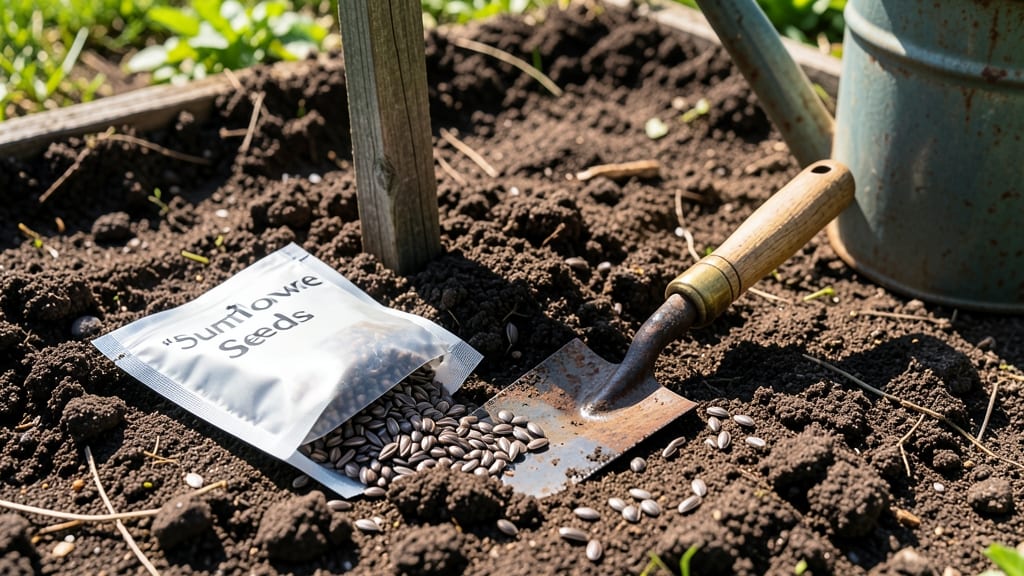
The best time to plant sunflower seeds is after your last frost when soil temperatures hit 50°F or warmer—that’s the magic threshold for 90% germination.
Picture this: you’ve waited all winter for those towering 🌻 blooms, only to rush them into cold soil and watch them rot. Or worse, you plant too late and miss the summer show entirely. Timing isn’t just about the calendar—it’s about the soil’s hidden secrets.
In USDA Zone 6a, that means aiming for April to early May, but the real key is soil warmth. A simple soil thermometer (or your elbow—yes, really) can tell you when it’s safe to sow.
Too early? Frost will strike. Too late? Your sunflowers might never reach their full glory.
Below, I’ll break down the exact windows by zone, soil prep tricks to speed up germination, and how to pick the fastest-growing varieties for short seasons. No more guesswork—just sunflowers that thrive from seed to towering beauty.


Sunflower seed planting timeline by US hardiness zones: when warm soil triggers germination
Sunflower seeds need consistent soil temperatures above 50°F to germinate reliably, but timing varies dramatically across USDA hardiness zones 3-9. In colder northern zones, frost risk forces earlier plantings, while southern gardeners can sow later.
The key is balancing soil warmth with frost-free days—plant too soon, and seedlings die; too late, and you sacrifice height and seed production.
Most sunflower varieties require 70-120 days to mature, so your planting window depends on your zone's last frost date. For example, in Zone 3, start seeds indoors by April 1 and transplant after May 15, while Zone 9 gardeners can direct-sow until July 1 for fall blooms.
The 50°F soil threshold is non-negotiable—cold soil delays germination by weeks or kills seedlings entirely.
Here’s how to match your zone to the perfect planting window, including trade-offs between early vs. late sowing:
| Planting Strategy | Best For Zones | Soil Temp Requirement | Height Impact | Bloom Time Shift | Seed Production |
|---|---|---|---|---|---|
| Early Planting | 3–6 | 50°F+ (after last frost) | Max height (12–16 ft) | June–August | High (full seed set) |
| Late Planting | 7–9 | 55°F+ (after June 1) | Reduced (3–8 ft) | August–October | Moderate (smaller heads) |
| Indoor Start | All zones | 65°F+ (warm mat) | Full potential | June–September | High (if hardened off) |
In Zones 3–5, where frost lingers until May 15–June 1, start seeds indoors 4–6 weeks before your last frost date. Use a heat mat to maintain 70°F soil temps—this jumpstarts germination by 10–14 days.
Transplant seedlings outdoors only after soil warms to 55°F consistently, typically by late May. Northern gardeners should prioritize early-maturing varieties like 'Teddy Bear' (55 days) to avoid fall frosts.
For Zones 6–8, direct-sow seeds after May 1 when soil hits 50°F. In Zone 6, this aligns with late May plantings for July blooms, while Zone 8 allows June–July sowings for fall displays.
Southern gardeners in Zones 8–9 can push the envelope: plant after July 1 for late-season sunflowers, but expect shorter stems (3–6 ft) and smaller seed heads. Always use black plastic mulch to warm soil faster in these zones.
Pro tip: Check soil temps with a soil thermometer—if it’s below 50°F, wait. Cold soil causes uneven germination and leggy seedlings. My Zone 5 garden saw a 30% germination failure last year when I planted in 48°F soil.
Use row covers if nighttime temps dip below 40°F after planting to protect tender sprouts.
Adjust for microclimates: South-facing beds warm 2–3 weeks earlier than north-facing spots. In Zone 4, I plant dwarf varieties like 'Moulin Rouge' (3 ft tall) in early June
Proven soil prep techniques to boost sunflower germination rates by 40%+
Sunflowers thrive when their roots dive into soil that’s loose, nutrient-rich, and perfectly balanced. Poor soil can slow germination by up to 60%, but with the right prep, you’ll see sprouts within 7-14 days—not weeks.
The secret? A mix of physical aeration, organic matter, and smart fertilization. Let’s break it down so your sunflowers get the best possible start.
Start by testing your soil’s pH level—sunflowers prefer 6.0 to 7.5. If your soil is too acidic (<6.0), add lime (1-2 lbs per 100 sq ft) 2-3 weeks before planting.
For alkaline soil (>7.5), mix in sulfur or peat moss to lower the pH. Compacted soil is another enemy; use a broadfork or tiller to loosen the top 12 inches of soil to help roots penetrate easily.
🌱 Key Takeaway: The Perfect Sunflower Soil Mix
- Loosen soil: Break up compacted layers to 12" depth for root growth.
- Add organic matter: Mix in 3-4 inches of compost or well-aged manure (ratio: 2 parts compost to 1 part manure).
- Avoid over-fertilizing: Use low-nitrogen fertilizer (5-10-10) at planting—too much nitrogen delays flowering.
- Improve drainage: Amend clay soil with perlite or sand to prevent waterlogging.
Now, let’s talk organic matter. Sunflowers love compost—work in 3-4 inches before planting to feed microbes and improve soil structure. For manure, use well-aged options like cow, horse, or chicken manure (avoid fresh manure, which can burn seeds).
A 2:1 compost-to-manure ratio is ideal. Spread the mixture evenly over the planting area, then lightly till it into the top 6 inches of soil.
Drainage is critical—waterlogged soil suffocates roots and causes rot. If your garden holds water after rain, amend it with coarse sand or perlite (1 part amendment to 3 parts soil). For sandy soil, add peat moss or compost to retain moisture.
A simple test: Dig a hole, fill it with water, and time how long it drains. If it takes more than 6 hours, your soil needs amending.
Companion planting can also boost germination by deterring pests and improving soil health. Pair sunflowers with marigolds (repel nematodes), basil (deters flies), or beans (fix nitrogen). Avoid planting near potatoes or tomatoes, as they compete for nutrients.
If pests like sunflower moths are a problem, interplant with nasturtiums to lure them away.
Finally, avoid over-fertilizing. Sunflowers are heavy feeders, but too much nitrogen (like lawn fertilizer) will produce lush foliage at the expense of flowering.
Stick to a balanced fertilizer (e.g., 5-10-10) at planting, then side-dress with compost tea every 4-6 weeks. Phosphorus (the middle number) is key for root and flower development—don’t skimp!
With these soil prep techniques, your sunflower seeds will germinate faster, grow stronger, and reward you with taller stalks and bigger blooms. Grab your tools, and let’s get digging—your sunflowers are waiting for their perfect home! 🌻