
Blooming
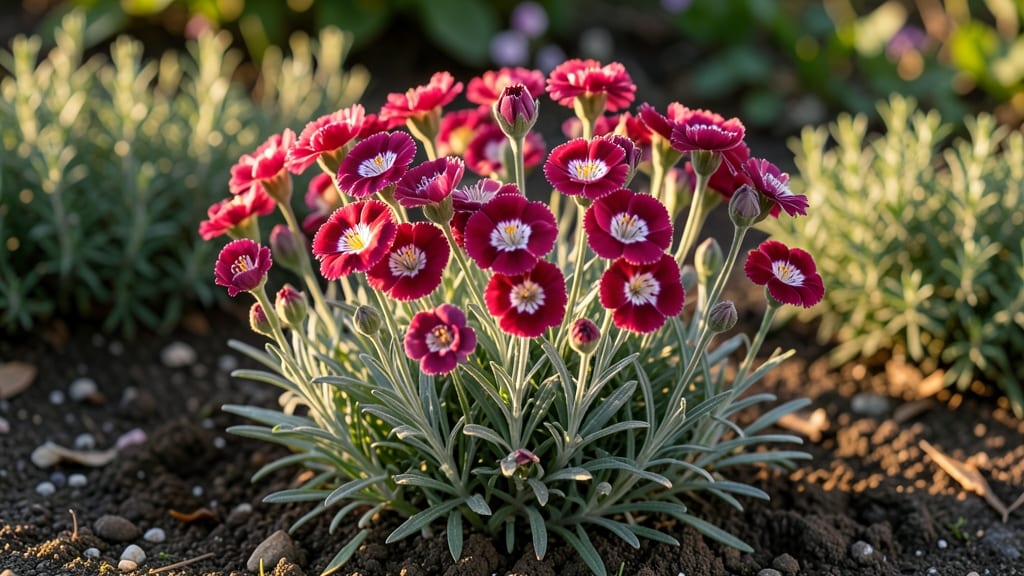
Your dianthus flowering season is a showstopper in USDA Zone 6a, where these fragrant 🌸 blooms light up gardens from late spring through summer.
Wondering when your dianthus will burst into vibrant blooms? The flowering season for these fragrant favorites depends entirely on your hardiness zone—and getting it wrong could mean missing their showy displays entirely.
In Zone 6a, expect the first flush of pinks, purples, and whites to appear around June, with peak blooming stretching into August if you play your cards right.
But not all dianthus varieties bloom at the same time, and a few simple adjustments can turn a two-month show into a three-month spectacle.
Below, I’ll break down the exact months to expect blooms in your zone, how to extend the season with deadheading and fertilizer tricks, and the three biggest mistakes that cut flowering short—so you can enjoy those sweet-scented blooms for as long as possible.
Dianthus flowering season by USDA hardiness zones: exact months to expect blooms
If you've ever planted dianthus hoping for a burst of color, only to be left wondering where the blooms disappeared, you're not alone. These charming flowers thrive on predictable seasonal cues, and their flowering windows shift dramatically depending on your USDA hardiness zone.
Even within the same zone, coastal gardens may bloom 2-4 weeks earlier than inland areas due to milder temperatures. Let's pinpoint exactly when your dianthus will shine based on where you garden.
Dianthus typically produces two main flowering periods: a spring flush followed by a summer rebloom for perennials. Annual varieties often bloom continuously from late spring through early fall if properly cared for.
The key to maximizing blooms lies in understanding how temperature fluctuations and daylength changes trigger their flowering mechanisms. For example, Sweet William varieties often bloom earliest, while carnation-like dianthus may hold off until summer heat arrives.
Coastal gardeners can expect earlier blooms thanks to milder winters and cooler summers that reduce heat stress. Inland gardens may see delayed spring blooms due to late frosts but often enjoy longer summer flowering periods. Always account for microclimates—a sunny south-facing bed will bloom weeks ahead of shadier spots, even in the same zone.
In USDA zones 3-4, where winters are harsh, dianthus typically waits until soil temperatures reach 55°F (13°C) before emerging. This often means late May blooms for spring, with summer flowering extending into August. Coastal gardeners in these zones might see blooms as early as mid-May thanks to ocean moderation.
Varieties like 'Firewitch' are particularly cold-hardy and reliable in these regions.
Gardeners in zones 5-6 enjoy the sweet spot for dianthus, with two distinct bloom periods. Spring blooms arrive in mid-May, while summer flowering can stretch from June through September if deadheaded regularly.
The 'Sweet William' variety is a favorite here, offering clusters of fragrant blooms that attract pollinators. Inland areas may experience heat delays in July if temperatures exceed 90°F (32°C).
For those in zones 7-8, the show begins much earlier—often as soon as April—with continuous blooms possible through October. This extended season makes dianthus perfect for cut flower gardens and container displays. 'Fire Spirit' varieties thrive here, producing bold red blooms
How to extend your dianthus flowering season with simple gardening hacks
Your dianthus plants can bloom for weeks longer than average with just a few targeted adjustments. These fragrant favorites thrive on consistent care, and small tweaks to deadheading, soil health, and light exposure make all the difference.
Whether you're growing perennial varieties like 'Firewitch' or annual types such as 'Sweet William', these hacks will keep your garden bursting with color.
First, let's tackle the most impactful technique: deadheading. Removing spent blooms isn't just about tidiness—it's a direct signal to your dianthus to produce more flowers. For annual varieties, this should happen every 2-3 days during peak bloom, while perennials benefit from weekly checks.
The key is to cut just above the first set of healthy leaves to encourage bushier growth.
- 📅 Deadhead daily during peak bloom for annual varieties
- 🌱 Amend soil with compost before planting for better drainage
- ☀️ Move containers to morning sun in hot climates to prevent stress
- 💧 Water deeply at soil level to avoid wetting foliage
- ✂️ Prune leggy stems in early spring to encourage compact growth
Next, focus on your soil conditions. Dianthus roots need excellent drainage to prevent rot, which can shorten their blooming window. Before planting, mix in sand or perlite (20-30%) with your existing soil.
For perennial varieties, a light feeding of phosphorus-rich fertilizer (like 5-10-10) in early spring gives them the energy boost needed for prolonged flowering. Annuals respond well to monthly feedings during their active growing season.
Light exposure plays a crucial role in extending blooms. While dianthus loves full sun (6+ hours daily), too much intense afternoon sun in hot climates can cause stress. In Zones 7-11, move potted plants to morning sun with afternoon shade during summer months.
This simple adjustment can add 3-4 weeks to your blooming season by preventing heat damage to delicate petals.
Seasonal care variations make all the difference between a short-lived display and months of vibrant blooms. In fall, cut back perennial varieties by half to remove weak growth and encourage new shoots.
For annuals, succession planting every 3-4 weeks ensures continuous color. Mulch around the base with gravel or straw to regulate soil temperature and retain moisture without suffocating roots.
Don't overlook the power of watering habits. Deep, infrequent watering (every 7-10 days) encourages strong root development, while shallow watering leads to weak stems and fewer blooms. Always water at soil level rather than overhead to prevent fungal diseases that can shorten the flowering season.
A drip irrigation system set to early morning delivers water efficiently without wetting foliage.
With these simple adjustments, you'll transform your dianthus from a fleeting spring display into a garden star that blooms from early summer through fall.
The secret lies in consistent care—deadheading, proper soil, smart light management, and seasonal tweaks—all of which work together to keep your plants happy and blooming longer. Happy gardening! 🌷