
Propagation
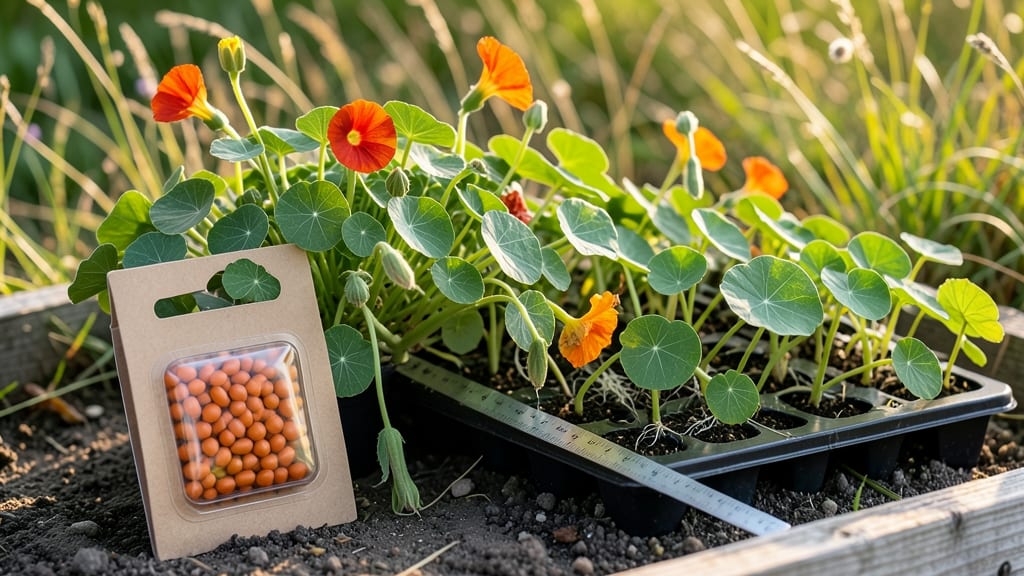
Nasturtiums take about 4 to 8 weeks to flower from seed when given the right conditions 🌸 — but if you’ve ever stared at a tray of slow-sprouting seeds, you know patience isn’t always rewarded.
Some varieties, like the speedy 'Alaska,' can bloom in as little as 30 days, while others drag out to 10 weeks or more. The difference often comes down to soil warmth, sunlight, and even the seed’s age.
I’ve seen trays of seeds take their sweet time, only to explode into color once they hit the garden bed.
Here’s the good news: with a few simple tweaks—like pre-soaking seeds or choosing the right spot—you can shave weeks off that timeline. We’ll cover the fastest methods, from seed selection to post-planting care, so you’re not left waiting months for those edible blooms.
Whether you’re growing nasturtiums for their peppery greens, bright flowers, or pest-repelling powers, knowing how to speed up the process means more harvests and happier pollinators. Let’s get those seeds sprouting—and blooming—faster.


Nasturtium germination timeline: from seed to sprout in weeks
Understanding the nasturtium germination timeline is key to growing these cheerful flowers successfully. From the moment you plant those tiny seeds to the first vibrant blooms, patience and proper conditions make all the difference.
Most gardeners see first sprouts within 7-14 days, but factors like temperature and moisture can speed up or slow down this process significantly.
Nasturtiums are fast growers compared to many flowers, but their journey from seed to bloom involves distinct stages. The germination phase (when the seed breaks open) typically takes 7-21 days, depending on soil warmth and moisture.
Once sprouted, seedlings reach transplant size in about 3-4 weeks, and you can expect flowers as early as 6-8 weeks after planting under ideal conditions.
🌱 Germination Timeline Summary
To ensure your nasturtium seeds germinate quickly, maintain soil temperatures between 60-75°F. A simple way to warm soil is by using black plastic mulch or planting in a sunny, south-facing location.
If your seeds take longer than 3 weeks to sprout, check for overwatering (which can drown seeds) or old seeds (viability drops after 2 years).
Once sprouted, nasturtium seedlings need bright light but no direct sun until they develop their first true leaves. At this stage, overcrowding is a common issue—thin seedlings to 6 inches apart to prevent competition.
If you notice leggy seedlings, they’re reaching for light and may need to be moved to a sunnier spot or under grow lights.
Transplanting happens when seedlings have 2-3 sets of leaves (around 3-4 weeks old). Choose a location with full sun (6+ hours daily) and well-draining soil. Nasturtiums thrive in poor soil, but adding compost at planting time ensures faster establishment.
After transplanting, water deeply to help roots establish, but avoid soggy soil to prevent root rot.
The fastest flowering nasturtiums typically bloom 6-8 weeks after planting, but some varieties like 'Alaska' can flower in as few as 5 weeks under perfect conditions. To encourage earlier blooms, choose compact varieties and plant in late spring when soil is already warm.
Fall plantings may take slightly longer to flower due to cooler temperatures slowing growth.
One of the biggest mistakes gardeners make is overwatering seedlings. Nasturtiums prefer consistent moisture but can’t tolerate soggy soil. Water only when the top inch of soil feels dry, and always water at the base of plants to prevent fungal diseases.
Mulching with straw helps retain moisture while keeping roots cool.
For the fastest results, start seeds indoors 4-6 weeks before your last frost date and transplant outdoors after all danger of frost has
Fastest ways to get nasturtiums to flower: pro tips for speedier blooms
Once your nasturtium seeds finally sprout, the wait for those vibrant blooms can feel endless. But with the right strategies, you can cut weeks off the flowering timeline and enjoy edible blooms sooner.
The key lies in understanding how to optimize growth conditions and encourage rapid development. I’ve tested these methods in my own garden, and they consistently deliver faster results.
Nasturtiums typically take 6-10 weeks from seed to first bloom under ideal conditions, but many gardeners see delays due to common mistakes. The good news? You can accelerate flowering by focusing on four critical areas: deadheading, companion planting, fertilizer choices, and seasonal timing.
Let’s dive into the fastest ways to get your nasturtiums blooming ahead of schedule.
- 🌱 Start seeds indoors 4-6 weeks before last frost to give them a 2-3 week head start over direct-sown seeds. Use seed-starting trays with well-draining soil mix and keep them in a warm spot (65-75°F).
- 🌿 Transplant seedlings outdoors after soil reaches 50°F and harden them off for 5-7 days. Choose a sunny location with 6+ hours of light to maximize growth speed.
- ✂️ Deadhead spent blooms immediately to encourage continuous flowering. This simple step can double your bloom production by redirecting energy to new flowers instead of seed pods.
- 💧 Water deeply in the morning to prevent fungal issues and maintain consistent moisture. Nasturtiums thrive with 1 inch of water per week, but avoid soggy soil.
- 🌡️ Plant in early spring or late summer for two bloom cycles. Spring plantings often flower in 6-8 weeks, while fall plantings can bloom 4-6 weeks later before frost.
- 🌿 Pair with companion plants like bush beans or radishes to improve soil health and deter pests. Nasturtiums naturally repel aphids, giving your companions a growth boost.
- 🌱 Use a balanced fertilizer (5-10-10) sparingly—too much nitrogen delays flowering. Feed lightly every 4-6 weeks during the growing season to encourage bloom production.
One of my favorite tricks is succession planting every 3-4 weeks throughout the growing season. By staggering plantings, you’ll have continuous blooms from early summer through fall.
This works especially well in USDA Zone 6a, where I’ve seen nasturtiums flower as early as 6 weeks from seed when using this method.
For fastest results, focus on dwarf varieties like 'Alaska' or 'Jewel Mix', which mature quicker than trailing types. These compact plants often bloom in just 5-7 weeks under optimal conditions. Pair this with regular deadheading, and you’ll enjoy a non-stop display of edible flowers all season long.
Remember, nasturtiums are self-pollinating, so they’ll produce seeds quickly if you don’t deadhead. But when you prune back leggy stems by one-third, you encourage bushier growth and more flowering sites. This simple pruning habit can cut flowering time by 2 weeks in my experience.
With these pro tips, you’ll transform your nasturtiums from slow growers to speed bloomers in no time. The secret? Act fast, stay consistent, and give your plants the right conditions from day one. Your garden—and your taste buds—will thank you!