
Propagation
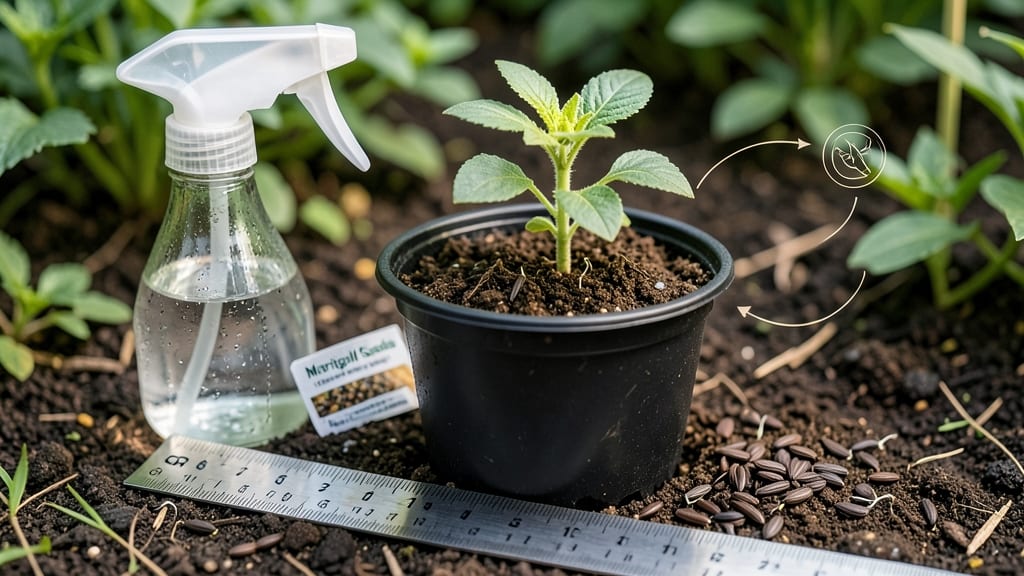
Flower seeds take anywhere from 3 days to over a month to germinate, depending on the type and conditions—so knowing the exact timeline can save you from premature replanting or unnecessary worry.
Picture this: you’ve just planted your 🌸 spring marigolds in early March, and the seed packet says "7–14 days," but after three weeks of waiting, you’re starting to doubt whether they’ll ever sprout.
That’s a common frustration, but it’s not just about patience—it’s about understanding what your seeds really need to break through the soil.
Temperature, moisture, and even seed age play a huge role.
A warm soil (around 70°F) can cut germination time in half for fast starters like zinnias, while cooler conditions or finicky varieties like delphiniums might take three to four weeks—or longer if the soil stays too damp or cold. The good news?
With the right setup, you can shave days (or even weeks) off that wait time.
In this guide, I’ll break down the exact germination ranges for 20+ popular flowers, share my proven tricks for speeding up sprouts, and walk you through what to do when seeds just won’t cooperate. No more guessing—just science-backed timing and troubleshooting.


Germination time for popular flower seeds by type (exact days & ranges)
Understanding flower seed germination times transforms guesswork into a science. Some seeds like marigolds pop up in just 3-5 days, while others like delphiniums can take 3-4 weeks—and that’s under ideal conditions. The good news?
Knowing these ranges helps you set realistic expectations and adjust your growing conditions accordingly. Whether you're a patient perennial grower or an impatient annual enthusiast, this breakdown will save you from second-guessing your timing.
Germination speed depends on three key factors: seed type, soil temperature, and moisture consistency. For example, zinnia seeds germinate in 7-14 days at 70°F, but if your soil is cooler, they might take 2-3 weeks.
Meanwhile, snapdragons are more forgiving, sprouting in 10-21 days across a wider temperature range. Let’s dive into the specifics so you can optimize your setup for success.
Here’s where the magic happens—compare fast-sprouting annuals to slow-starting perennials in our detailed table. You’ll see which seeds reward patience (like foxgloves) and which demand immediate action (like cosmos).
Pro tip: Use a seedling heat mat for slow starters to shave off days or even weeks from germination time.