
Watering
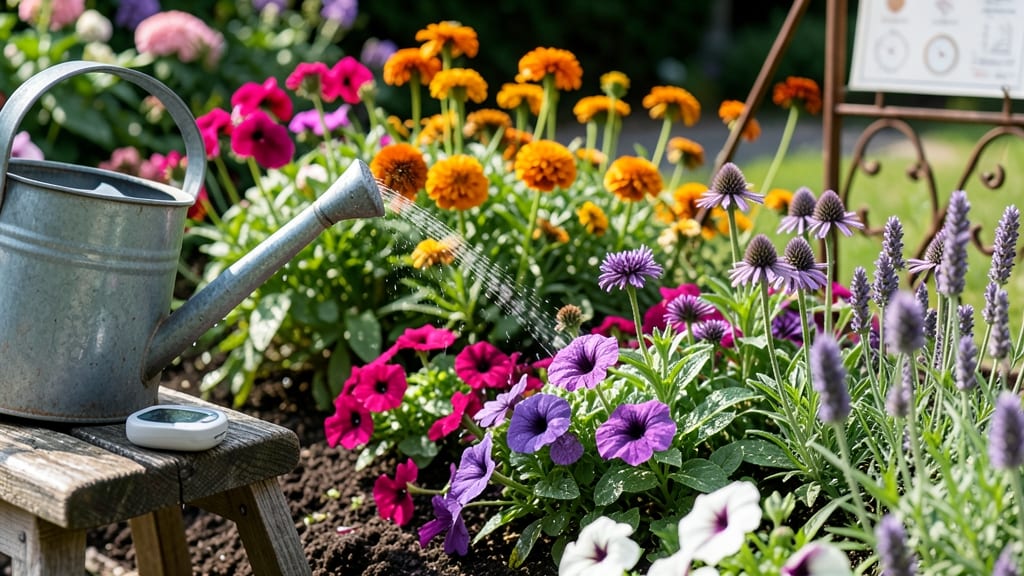
Watering your flower garden 🌸 the right way means knowing how often to water—but the answer changes faster than the seasons.
Struggling to keep your flower garden vibrant without overwatering or drowning your plants? The right watering schedule isn’t just about frequency—it’s about understanding your plants’ needs and the seasonal shifts that change everything.
Some flowers, like sun-loving zinnias, beg for water every 2-3 days in summer heat, while drought-tolerant lavender can survive on bi-weekly drinks. Throw in clay soil that dries out in hours or mulch that locks in moisture, and suddenly, your "once-a-week" rule becomes a guess.
Below, I’ll break down the exact schedule for your zone, how to spot overwatering (yellow leaves, anyone?), and the one tool that cuts your watering time in half—no green thumb required.
Watering frequency by flower type: a seasonal guide
Mastering the art of watering flowers isn’t about setting a rigid schedule—it’s about adapting to your plants’ unique needs and the ever-changing seasons. Annuals like marigolds and zinnias demand consistent moisture, while drought-tolerant perennials like lavender or black-eyed Susans thrive with minimal water.
Even the same flower may need twice as much water in July as it does in May.
Seasonal shifts are the biggest watering wildcards. Spring showers mean less manual watering, but summer heat can dry out soil in half the time. Fall brings cooler temps, and winter often calls for near-dormancy watering.
Without adjustments, you risk root rot from overwatering or wilting from neglect. Let’s break it down by flower type and season so you can keep your garden lush without guesswork.
| Flower Type | Seasonal Watering Frequency | Notes |
|---|---|---|
| Annuals (e.g., Petunias, Geraniums) | Spring: Every 2-3 days Summer: Daily (morning) Fall: Every 3-4 days Winter: Bi-weekly |
Fast-growing; shallow roots need frequent, light watering. Mulch helps retain moisture. |
| Perennials (e.g., Coneflowers, Daylilies) | Spring: Every 4-5 days Summer: Every 3-5 days Fall: Every 5-7 days Winter: Monthly |
Established roots store water. Deep watering encourages deeper roots for drought resistance. |
| Drought-Tolerant (e.g., Succulents, Lavender) | Spring: Every 7-10 days Summer: Every 10-14 days Fall: Every 10-14 days Winter: Every 3-4 weeks |
Overwatering kills these plants. Check soil 2 inches deep before watering. |
| Moisture-Loving (e.g., Impatiens, Hostas) | Spring: Every 2-3 days Summer: Daily (evening) Fall: Every 3-4 days Winter: Weekly (light) |
Keep soil evenly moist. Avoid soggy soil to prevent fungal diseases. |
| Bulbs (e.g., Tulips, Daffodils) | Spring: Every 5-7 days Summer: Minimal (dormant) Fall: Every 2-3 weeks Winter: None |
Water only during growth phases. Overwatering in summer rots bulbs. |
For annuals, the key is consistency. These plants grow rapidly and have shallow root systems, so they need frequent light watering—especially in summer heat. I water mine early in the morning to reduce evaporation and fungal risks.
A 5-minute soak with a hose or drip irrigation works best, followed by a 2-inch layer of mulch to lock in moisture.
Perennials, on the other hand, are low-maintenance champions once established. Their deep root systems store water, so they thrive on deep, infrequent watering.
In spring, I water every 4-5 days to encourage new growth, but by summer, I stretch it to every 5-7 days unless we’re in a drought. The goal? Encourage roots to grow deeper—not just wider.
If you’re growing drought-tolerant flowers, resist the urge to overcompensate with water. Plants like lavender and
5 Signs your flower garden is overwatered or underwatered
Even the most experienced gardeners sometimes struggle to strike the perfect balance when watering their flower gardens. Too little water, and your blooms wilt; too much, and you risk root rot or fungal diseases.
The key is learning to read your plants' signals—like leaf color, soil texture, and growth patterns—to adjust before damage occurs. I’ve seen firsthand how a simple misstep in watering can turn a thriving garden into a sad, soggy mess in just days.
Most flowers thrive on a deep watering schedule—about 1-2 inches per week—but the timing and frequency change with seasons and plant types. For example, annuals like zinnias need consistent moisture, while drought-tolerant perennials like lavender can handle weeks between drinks.
Paying attention to these 5 warning signs will help you correct watering mistakes before they become costly problems.
- 1
- 2
- 3
- 4
- 5
One of the first signs your flowers are underwatered is wilting leaves, even in the early morning. If you notice this, check the soil—it should feel moist but not soggy about an inch below the surface.
For annuals like petunias, wilting often means it’s time to water immediately. Pro tip: Water deeply in the morning to give roots time to absorb moisture before the heat of the day.
On the flip side, overwatered flowers often develop yellowing leaves or mushy stems—clear signs of root rot. If you press your finger into the soil and it feels cold and clumpy, you’re likely overdoing it.
To fix this, let the soil dry out completely for a few days and consider improving drainage by adding organic matter like compost or using raised beds for heavy clay soils.
Another red flag is stunted growth or fewer blooms than usual. This could mean your plants aren’t getting enough water to support their energy needs, or—if paired with pale, limp leaves—they might be struggling with fungal diseases from excess moisture.
Always pair watering with proper mulching (2-3 inches of straw or wood chips) to retain moisture and regulate soil temperature.
If you’re still unsure whether your garden needs more or less water, try the finger test: Stick your finger about an inch into the soil. If it’s dry, water deeply; if it’s damp, wait another day.
And remember, evening watering is a common mistake—it encourages fungal growth by keeping foliage wet overnight. Stick to early morning watering for the best results.