
Flowers
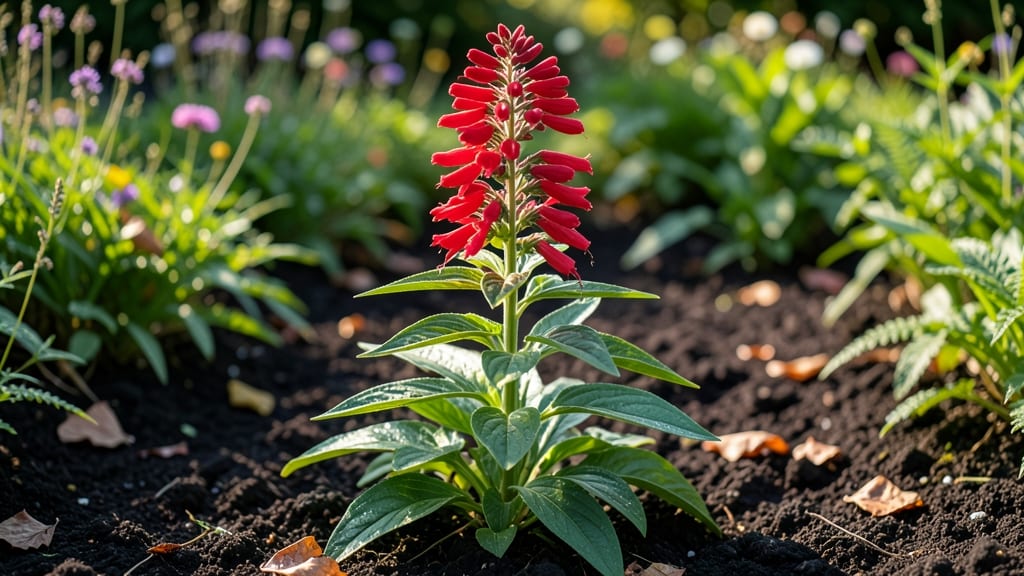
The cardinal flower 🌸 typically grows between 2 and 4 feet tall, making it a striking mid-height plant for garden borders or wildflower meadows.
If you’re planning your garden layout or dreaming of vibrant red blooms, knowing exactly how tall your cardinal flower (Lobelia cardinalis) will grow is essential—get it wrong, and you’ll either waste space or block sunlight from other plants.
This perennial (in zones 6a and warmer) reaches its full height by midsummer, with some varieties stretching taller in ideal conditions, while others stay compact. The key to controlling its size lies in soil moisture and sunlight—too much sun can make it leggy, while partial shade keeps it bushier.
Below, I’ll break down the height ranges by variety, how fast it grows each season, and the best spacing to ensure those fiery blooms get the attention they deserve without overcrowding your garden.

Cardinal flower height by variety: exact growth ranges for garden planning
If you’re planning your garden layout or dreaming of vibrant red blooms, knowing exactly how tall your cardinal flower (Lobelia cardinalis) will grow is essential—get it wrong, and you’ll either waste space or block sunlight from other plants.
This striking perennial typically reaches 2 to 4 feet at maturity, but varieties and growing conditions can dramatically alter its height. Understanding these ranges helps you create a balanced garden where cardinal flowers shine without overshadowing neighbors.
Cardinal flowers thrive in moist, well-drained soil with partial shade to full sun, but their height varies significantly based on variety, sunlight exposure, and pruning habits.
For example, Lobelia siphilitica (the classic cardinal flower) can grow up to 4 feet tall in ideal conditions, while dwarf varieties like 'Queen Victoria' stay compact at just 2 feet. These differences are critical for spacing and companion planting.
Here’s a quick reference for the most common cardinal flower varieties and their mature heights:
| Variety | Mature Height | Spacing Needs | Sunlight Preference |
|---|---|---|---|
| Lobelia cardinalis (Standard) | 3–4 ft | 18–24 in apart | Partial shade to full sun |
| Lobelia siphilitica | 3–4 ft | 18–24 in apart | Partial shade |
| 'Queen Victoria' (Dwarf) | 2–3 ft | 12–18 in apart | Partial shade |
| 'Frans Hals' (Compact) | 2–3 ft | 12–18 in apart | Partial shade to full sun |
| 'Fireworks' (Tall) | 3.5–4.5 ft | 24–30 in apart | Full sun |
For full sun conditions, cardinal flowers tend to grow taller and may need staking or pruning to maintain a neat appearance. In partial shade, they often stay shorter and bushier, which is ideal for smaller gardens or containers.
Always plant them with 12–24 inches of space between stems to allow airflow and prevent disease.
If you’re growing cardinal flowers in containers, choose dwarf varieties like 'Queen Victoria' to avoid overcrowding. These compact types thrive in 5–7 gallon pots with well-draining soil and consistent moisture. For taller varieties, use support stakes or trellises to guide their growth vertically, saving valuable garden real estate.
One common mistake is assuming all cardinal flowers reach the same height. For instance, 'Fireworks' can top 4 feet and may overwhelm smaller perennials like black-eyed Susans or bee balm if planted too closely. To create a layered look, pair taller varieties with shorter companions like heuchera or hostas.
In USDA Zones 3–9, cardinal flowers are perennial, meaning they’ll return year after year and gradually increase in height. However, in warmer climates (Zones 8–9), they may grow more aggressively and benefit from annual pruning to control their size.
Always deadhead spent blooms to encourage continuous flowering and prevent self-seeding where you don’t want it.
For first-year growth, expect cardinal flowers to reach about 1.5–2 feet by midsummer. By their second year, they’ll typically hit their mature height, so plan your garden layout accordingly. If you’re using them as a back-of-border plant, allow extra space for their eventual size.
Pro tip: If your cardinal flowers are growing too tall or leggy, prune them back by one-third in early summer to encourage bushier growth. This also extends the blooming season by stimulating new flower production. Just avoid heavy pruning after mid-summer, as it may reduce fall blooms.
With the right variety and spacing, cardinal flowers add dramatic vertical interest to any garden. Their vibrant red blooms will draw hummingbirds and butterflies while filling your space with color—just make sure you’ve accounted for their mature height from the start! 🌸
How fast does cardinal flower grow? Seasonal height progression explained
If you planted cardinal flowers (Lobelia cardinalis) this spring, you’re likely watching their stems stretch toward the sky with eager anticipation. These striking red blooms grow surprisingly fast—especially when conditions are ideal—but their monthly growth rates vary dramatically depending on the season.
Understanding this progression helps you plan for pruning and companion planting while avoiding overcrowding or nutrient deficiencies that can stunt their growth.
The cardinal flower’s fastest growth occurs during its first growing season, particularly from May through July. In perfect conditions—moist, well-drained soil and 4-6 hours of sunlight daily—you can expect new shoots to reach 1-2 feet in just 6-8 weeks.
However, their peak height of 3-4 feet typically takes 3-4 months to achieve, with most growth concentrated in the summer months before blooming slows in late summer.
🌱 Cardinal Flower Growth Timeline
- April-May: Sprouts emerge 2-4 inches in 2-3 weeks with consistent moisture.
- June: Rapid vertical growth—12-18 inches by month’s end if fertilized.
- July-August: Peak blooming at 3-4 feet; stems may need staking.
- September: Growth slows; prune spent blooms to redirect energy.
- October-November: Dormancy begins; cut back to 6-12 inches for perennials.
One of the most common mistakes gardeners make is assuming cardinal flowers will keep growing indefinitely. In reality, their height plateaus in late summer, and without proper pruning, they can become overgrown and leggy.
I’ve seen plants in my own garden reach 5 feet in ideal conditions, but this often means fewer blooms and a risk of flopping stems. To maintain a compact, bushy shape, I recommend pinching back the tips of new growth in June to encourage branching.
Nutrient deficiencies can dramatically slow growth, especially if your soil lacks phosphorus or potassium. Yellowing leaves or stunted stems often signal nitrogen deficiency, while weak stems may indicate calcium or magnesium issues.
To prevent this, I use a balanced 10-10-10 fertilizer every 4-6 weeks during the growing season. For container-grown cardinal flowers, I double the fertilizer dose since nutrients leach out faster in pots.
If your cardinal flowers seem stunted despite proper care, check for root bound conditions or poor drainage. These plants thrive in consistently moist but not soggy soil. I’ve found that adding organic compost at planting time and mulching with shredded leaves helps retain moisture while preventing root rot.
In hot, dry climates, I water deeply twice daily during peak summer months to support their rapid growth.
With the right conditions, your cardinal flowers will reward you with bold red blooms from July through September. By understanding their seasonal growth patterns and addressing issues early, you’ll ensure they reach their full 3-4 foot potential without overpowering your garden layout. Happy growing! 🌸