
Blooming
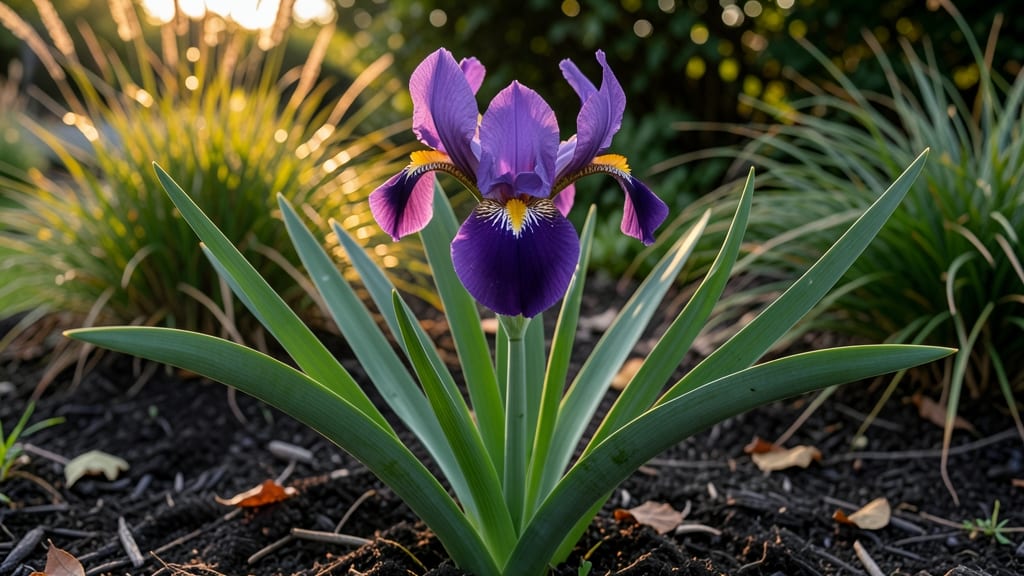
The iris flower season is your golden ticket to a garden that pops with color 💜, but timing it right means the difference between a showstopper and a bust.
If you’ve ever dreamed of a garden bursting with vibrant purple, blue, or yellow blooms, timing is everything—especially when it comes to iris flowers.
Most irises thrive in spring, but the exact window shifts depending on your USDA zone, with zone 6a gardeners seeing blooms from April through June.
In this guide, I’ll break down the best bloom times by zone, share care tips to extend your iris season, and help you pick varieties that keep your garden lively from early to late spring.
Best iris flower bloom seasons by USDA plant hardiness Zones
Timing your iris blooms to perfection starts with understanding your USDA hardiness zone. Whether you're in the cold Zone 3 or the warmer Zone 10, irises offer stunning displays at different times of year.
The key is selecting varieties that thrive in your climate and planting them at the right time for maximum impact.
For gardeners in Zones 3-5, early spring is prime time for iris blooms, often starting as early as late April. In milder Zones 6-8, you'll see blooms stretching from March through June, while Zones 9-10 enjoy extended seasons with flowers appearing from February to July.
The right variety makes all the difference!
Here's how to match your iris varieties with your zone for perfect timing:
In Zones 3-4, where winters are harsh, I recommend planting Bearded Iris varieties like 'Blue Flag' or 'Purple Majesty'. These hardy types establish strong root systems in fall, then burst into bloom as soon as the soil warms.
The Siberian Iris is another excellent choice for colder climates, offering delicate blooms that appear slightly later in the season.
Gardeners in Zones 5-6 have the advantage of longer bloom seasons. The German Iris (Iris germanica) thrives here, with some varieties producing two bloom cycles per year if given proper care. For a unique look, consider Louisiana Iris, which blooms later in the season and loves moist soil conditions.
Plant these in early fall to give roots time to establish before winter.
Warmer Zones 7-8 offer extended bloom seasons, with some irises flowering from March through July. The Japanese Iris is a standout for its elegant, ruffled petals and thrives in these milder climates.
For something different, try Dutch Iris, which blooms earlier and is perfect for forcing indoors. Plant these in fall to avoid summer heat stress during establishment.
In the mildest Zones 9-10, irises can bloom almost year-round with proper selection. The Reticulata Iris is a winter bloomer, often appearing in February before many other spring flowers.
For summer interest, tall Bearded Irises like 'Professor Blume' provide dramatic height and color. Plant these in winter to take advantage of cool season growth.
Remember that soil temperature plays a crucial role in bloom timing. Irises typically need soil temps of 50°F (10°C) or warmer to break dormancy. In colder zones, this often coincides with late April or May, while warmer zones may see blooms as early as February.
Always plant rhizomes with the top half exposed to prevent rot and encourage strong growth.
For gardeners in transitional zones (like Zone 6b), you might experience delayed blooming if late frosts occur. To mitigate this, choose early blooming varieties and provide light mulch around the base of plants to protect roots.
With the right variety selection and planting timing, you can enjoy iris blooms for nearly half the year in most climates!
Pro tip: Mark your calendar for late summer - this is when most irises should be divided and replanted. Healthy rhizomes planted at the right time will reward you with stronger blooms next season. The effort pays off in vibrant color and extended bloom seasons! 🌷
How to extend your iris flower season with proper planting and care
Iris flowers are stunning garden stars, but their blooming season can feel short if you don’t optimize their care. With the right planting techniques and seasonal maintenance, you can encourage longer blooms and even repeat flowering.
The key lies in understanding their needs—from soil preparation to sunlight exposure—and adjusting your routine as the seasons shift.
Many gardeners miss out on extended iris blooms because they focus only on planting and forget about ongoing care. But irises are resilient once you give them the right conditions.
Whether you’re in USDA Zone 5 or Zone 9, these practical tips will help you coax your irises into blooming for weeks, not just days.
- 1. Choose the Right Variety: Bearded irises (like 'Blue Flag') bloom early, while Siberian irises (like 'Butter and Sugar') often rebloom later. Mix types for a prolonged display.
- 2. Plant Rhizomes Correctly: Bury rhizomes only halfway—top half exposed—to prevent rot. Space them 12-24 inches apart for airflow.
- 3. Prioritize Full Sun: Irises need 6+ hours of sunlight daily. Partial shade can delay blooming and weaken stems.
- 4. Feed at the Right Time: Apply balanced fertilizer (5-10-10) in early spring when leaves emerge, not after blooming.
- 5. Deadhead Strategically: Remove spent blooms but leave seed pods if you want more plants. Cut stems 6 inches above rhizomes after blooming.
- 6. Mulch Lightly in Winter: Use 2-3 inches of mulch in colder zones (below Zone 7) to protect rhizomes but avoid suffocating them.
- 7. Divide Clumps Every 3-4 Years: Overcrowded rhizomes bloom less. Dig up and replant strong offsets in early fall for next year’s growth.
One of the biggest mistakes I see is overwatering irises after planting. They thrive on moderate moisture—water deeply once a week in dry spells but avoid soggy soil. Irises are drought-tolerant once established, so let the soil dry slightly between waterings. This simple adjustment can double your bloom time!
For repeat blooming, focus on Siberian irises or Japanese irises, which often produce a second flush of flowers in late summer. Pair them with bearded irises for a garden that stays vibrant from spring to fall.
Just remember: fertilize lightly in spring, prune stems after blooming, and protect rhizomes in winter.
Your iris season doesn’t have to end after a few weeks. With these care tweaks, you’ll enjoy longer stems, brighter blooms, and even second chances at color throughout the year.
Start with the right variety, plant with purpose, and maintain with intention—your garden will thank you with a showstopping display.