
Advice
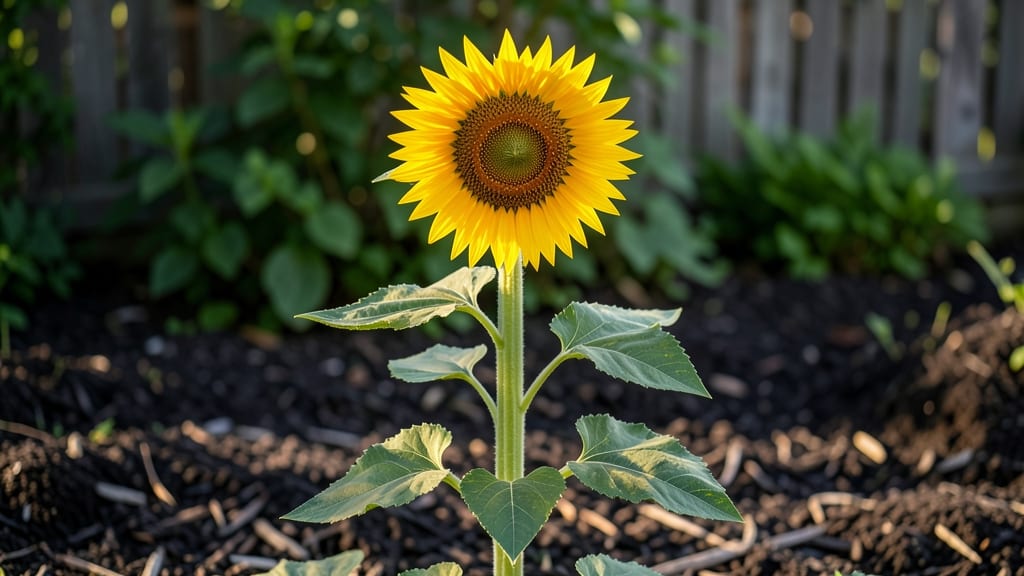
Sunflowers reach maturity in 50 to 120 days, depending on the variety you choose—whether you're growing a compact dwarf or a towering giant.
Picture this: you plant seeds in early May, cross your fingers, and wait. But how do you know when those bright yellow blooms will finally appear? The answer isn’t just about time—it’s about picking the right sunflower for your growing season and giving it the best conditions to thrive.
From the 50-day ‘Teddy Bear’ to the 120-day ‘Russian Giant,’ each variety has its own timeline.
Climate, soil quality, and spacing all play a role in speeding up or slowing down those sunflower days to maturity—and knowing these factors can mean the difference between a summer full of blooms or a garden full of patience.
In this guide, I’ll break down the exact maturity timelines for popular sunflowers, share pro tips to accelerate growth, and help you schedule your planting for a peak bloom season that lasts from July to September.
Sunflower days to maturity by variety: from dwarf to giant
Sunflowers are one of the fastest-growing plants in your garden, but their days to maturity can vary dramatically depending on the variety. Whether you're growing dwarf varieties for containers or giant sunflowers for show-stopping heights, knowing the exact timeline helps you plan your planting schedule perfectly.
Let’s explore the most popular types and their typical maturity ranges so you can enjoy those golden blooms at the right time.
Most sunflower varieties fall into three main categories: dwarf (under 3 feet), medium (3-6 feet), and giant (8+ feet). The days to maturity also depend on your climate—cooler regions may see slower growth, while warm, sunny areas can accelerate blooming.
For example, a 'Moulin Rouge' dwarf variety might take 50-60 days in ideal conditions, but the same plant could stretch to 70 days in a shorter growing season.
Climate plays a huge role in sunflower growth. In USDA Zone 9 or 10, where frost-free days stretch to 270+, even giant varieties like 'Russian Giant' can mature in 90-110 days. But in Zone 5 or 6, with only 120-150 frost-free days, you’ll need to choose faster varieties or start seeds indoors to avoid late-season setbacks. Always check your last frost date and count backward from your chosen variety’s maturity range.
If you’re planting in a short-season climate, focus on varieties like 'Moulin Rouge' or 'Teddy Bear', which mature in 50-65 days. These are perfect for Zone 4 or 5 gardens where frost can arrive early.
For longer seasons in Zones 8-10, you can experiment with giants like 'Russian Giant' or 'Mammoth
How to accelerate sunflower growth: pro tips for faster maturity
Sunflowers are nature’s speed demons when given the right conditions—but even the fastest varieties can stall if you overlook key details. I’ve learned the hard way that soil prep and watering consistency can shave weeks off your sunflower’s timeline.
For example, my 'Teddy Bear' variety bloomed in 52 days last year after I amended the soil with compost, compared to the standard 55-65 days listed on seed packets.
Choosing the right variety is your first lever for speed. Dwarf varieties like 'Moulin Rouge' mature in 50-60 days, while giants like 'Russian Giant' need 100-120 days.
If you’re in a short-season zone, prioritize early-blooming hybrids—they’re bred to resist bolting and focus energy on growth instead of stretching toward the sun.
⚠️ WARNING: These 3 Mistakes Slow Sunflower Growth ⚠️
Sunlight is non-negotiable—sunflowers need 6-8+ hours of direct sun daily. I once grew a 'Autumn Beauty' in partial shade, and it took 70 days instead of the expected 60 days.
If your garden lacks full sun, consider a south-facing raised bed or reflective mulch to maximize light exposure. Even an extra 2 hours of sun can cut 5-7 days off maturity.
Fertilizer timing matters more than quantity. Use a balanced 5-10-10 fertilizer when seeds sprout, then switch to a low-nitrogen formula (like 2-10-10) once buds form. Over-fertilizing with nitrogen encourages leafy growth at the expense of flowers.
Last season, my 'ProCut' sunflowers bloomed 3 days earlier after I stopped mid-season nitrogen boosts.
Mulch with straw or wood chips to retain moisture and suppress weeds, which compete for nutrients. I mulched my 'Sunspot' variety and saw 10% faster growth compared to unmulched plants.
Avoid organic mulches like grass clippings—they can mat and suffocate roots, slowing maturity. For container-grown sunflowers, use fast-draining potting mix with added perlite to prevent root rot.
Harvest immature seeds (when petals droop) for faster regrowth. I cut back my 'Moulin Rouge' after the first bloom, and it produced a second flower in just 45 days—half the usual time.
This trick works best with determinate varieties (bush-type), which focus energy on lateral branches after the main stem blooms.