
Blooming
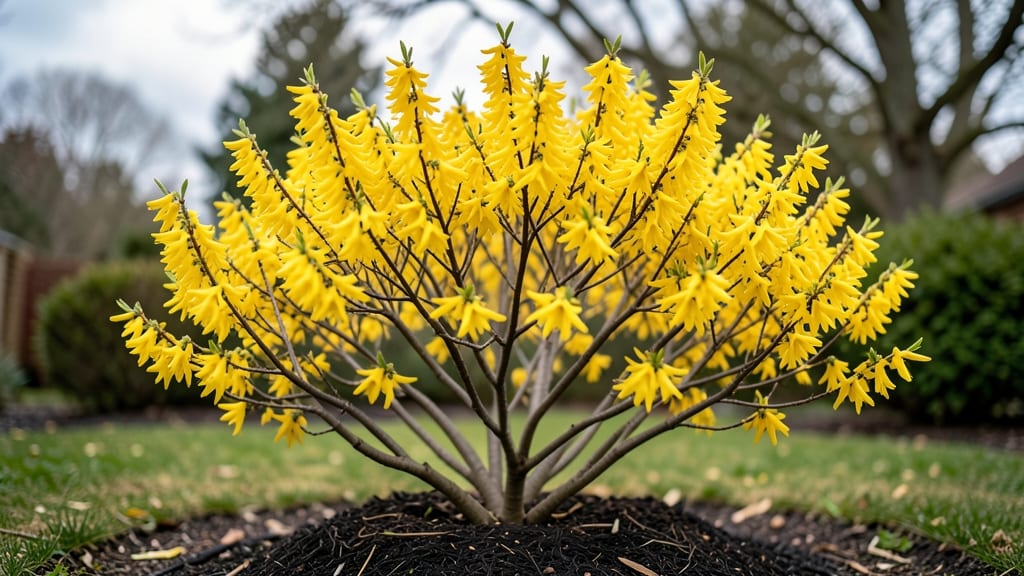
Forsythia flowers bloom in early spring 🌸, marking the season’s first burst of color—but the exact timing depends on your climate zone and plant variety.
If you’ve ever wondered why your forsythia shrub isn’t blooming—or when to expect its vibrant yellow display—timing is everything. These shrubs are nature’s first harbingers of spring, but their bloom period shifts from late winter in warm zones to early spring in colder regions.
In USDA Zone 6a, like much of the Midwest, forsythia typically flowers between March and April, while southern gardeners may see blooms as early as February. Northern zones often wait until April or May, depending on winter chill hours.
Below, I’ll break down the exact months by climate zone, how to adjust blooming time with pruning and soil care, and what to do if your forsythia skips its usual show.
Forsythia bloom schedule by USDA climate zones: month-by-month guide
Forsythia’s bright yellow blooms signal spring’s arrival, but their exact timing varies dramatically across USDA climate zones. In Zone 3, you might spot flowers as early as late April, while gardeners in Zone 9 could enjoy them by mid-February.
This variation depends on chill hours, regional microclimates, and even last winter’s severity.
The key to predicting bloom time lies in understanding your zone’s average last frost date and forsythia’s need for 300-500 chill hours below 45°F. Coastal areas often bloom 2-3 weeks earlier than inland regions due to milder winters.
For example, Seattle (Zone 8) typically sees blooms in March, while Atlanta (Zone 7b) waits until mid-April.
Here’s how bloom timing breaks down by zone, including regional variations that can shift expectations by weeks:
| USDA Zone | Typical Bloom Window | Early Bloomers (Coastal/Mild) | Late Bloomers (Inland/Cold) | Regional Example |
|---|---|---|---|---|
| Zone 3 | Late April–Early May | Early April (Great Lakes coast) | Mid-May (Upper Midwest) | Duluth, MN |
| Zone 4 | Mid-April–Late April | Late March (Pacific NW) | Early May (New England) | Portland, OR |
| Zone 5 | Late March–Early April | Early March (San Francisco) | Mid-April (Chicago) | Madison, WI |
| Zone 6 | Early–Mid March | Late February (Los Angeles) | Late March (Denver) | Philadelphia, PA |
| Zone 7 | Late February–Early March | Mid-February (Austin) | Early April (Atlanta) | Washington, DC |
| Zone 8 | Mid–Late February | Early February (San Diego) | Late February (Houston) | Seattle, WA |
| Zone 9 | Late January–Mid February | December (Coastal CA) | Mid-February (Phoenix) | Los Angeles, CA |
Microclimates play a surprising role in bloom timing. A south-facing wall can advance blooms by 10-14 days compared to open garden beds, while urban heat islands may delay them.
For example, forsythia in Zone 6 Atlanta might bloom in late February near a brick wall but wait until mid-March in a shaded yard.
If your forsythia blooms later than expected, check for insufficient chill hours—a common issue in Zone 7+ with mild winters
How to adjust forsythia’s blooming time: pruning, soil, and cold requirements
Forsythia’s dazzling yellow blooms appear as early spring’s first splash of color, but their timing isn’t set in stone. With the right adjustments, you can nudge your shrub to bloom earlier or later—whether you’re chasing a longer display or avoiding late frosts.
The key lies in understanding three critical factors: pruning technique, soil conditions, and winter chill hours.
Most forsythias need 300-500 hours of temperatures below 45°F to trigger blooming. Without enough chill, buds may fail to open. Meanwhile, soil pH between 6.0-7.0 and proper pruning timing can either encourage or delay those cheerful flowers. Let’s fix common mistakes that keep your forsythia silent.
Typical bloom windows vary by USDA zone:
- Zones 5-7: Late March to early April
- Zones 8-9: February to March
- Zone 3-4: May (needs more chill hours)
But over-pruning or poor drainage can delay blooms by weeks—or cancel them entirely.
Start with pruning timing. Forsythias bloom on old wood, so prune immediately after flowering—never in late summer or fall. Cut back 1/3 of the oldest stems to encourage new growth while preserving next year’s buds.
If you prune too late, you risk removing next season’s flowers before they form.
Next, check your soil conditions. Forsythias thrive in well-draining soil with a slightly acidic to neutral pH (6.0-7.0). Test your soil and amend with compost or peat moss if it’s too alkaline.
Overly compacted or waterlogged soil stresses the plant, delaying blooms. Add organic matter and consider a drainage layer if your site holds excess moisture.
Don’t overlook winter chill requirements. If you live in a mild climate (like Zone 8+), your forsythia might need a cold treatment to trigger blooming. Try winter mulching with straw or leaves to protect roots and encourage chill accumulation.
In Zone 3-4, ensure your shrub gets full winter exposure—covering it can prevent adequate chilling.
Finally, feed your forsythia at the right time. Apply a balanced fertilizer (10-10-10) in early spring as new growth emerges. Avoid heavy feeding in summer or fall, which can stimulate soft new growth that won’t survive winter—leaving no buds for next year’s flowers.
With these adjustments, you’ll coax your forsythia to bloom on your schedule—whether you’re chasing earlier color or avoiding frost-damaged flowers. Patience is key: changes may take 1-2 seasons to show results, but the payoff is worth it for that show-stopping spring display! 🌸