
Flowers
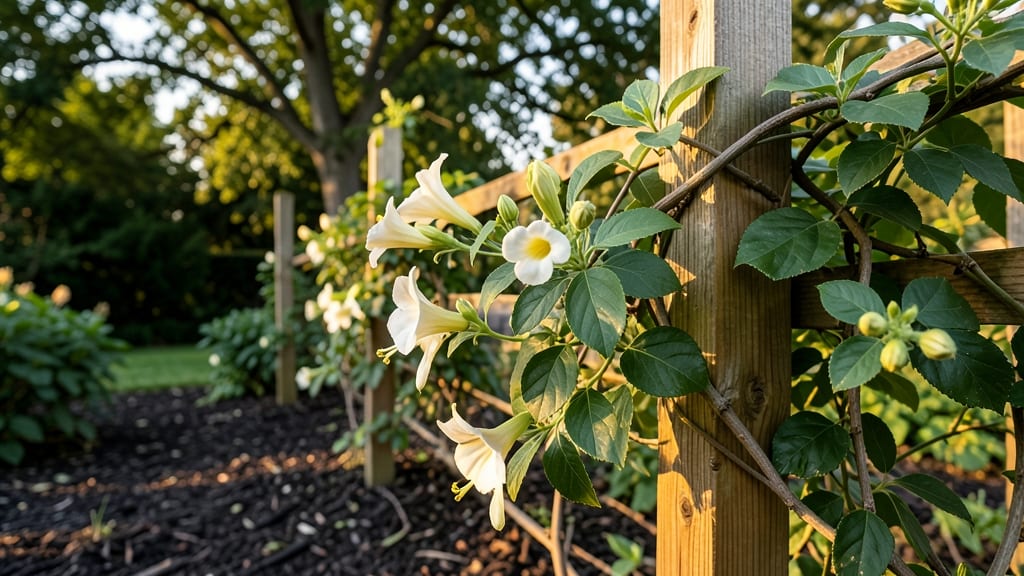
Honeysuckle flowers bloom in late spring through summer, with timing that can shift dramatically depending on the variety and your climate zone.
If you’ve ever wondered why your honeysuckle vine looks bare one month and bursts into fragrant blooms the next, timing is everything—and it varies wildly by species.
Some varieties, like the classic 🌸 Lonicera periclymenum, kick off their show in May, while others, such as Lonicera sempervirens, may start as early as April in warmer regions.
But here’s the catch: factors like sunlight, pruning, and even your local microclimate can push those blooms weeks earlier or delay them until July.
For example, a vine in USDA Zone 6a might flower a month later than one in Zone 8, and a late winter prune can force an earlier display.
In this guide, I’ll break down the exact blooming windows for 12 common honeysuckle types, plus actionable tips to encourage earlier or more abundant flowers—so you can enjoy that sweet, intoxicating scent all season long.
Honeysuckle blooming calendar: month-by-month guide by species
Timing your honeysuckle blooms isn’t just about guessing—it’s about knowing your specific species and USDA zone. Some varieties burst into fragrant blooms by May, while others wait until July. The wrong timing can mean missing that sweet, intoxicating scent that attracts hummingbirds all summer.
Let’s break down when to expect flowers from 12 popular honeysuckle types, plus how climate shifts those windows.
Honeysuckle flowering isn’t one-size-fits-all. Climate zones can push blooms 2-4 weeks earlier in the South vs. the North. For example, Lonicera sempervirens (trumpet honeysuckle) might flower in February in Zone 8, while the same plant waits until May in Zone 5.
Even sunlight exposure plays a role—partial shade can delay blooms by weeks compared to full sun conditions.
🌸
| Species | Primary Blooming Months | Secondary Blooms | USDA Zone Range | Key Fragrance Notes |
|---|---|---|---|---|
| Lonicera periclymenum (European Honeysuckle) | May–June | July–August (light) | 4–8 | Sweet, honey-like |
| Lonicera japonica (Japanese Honeysuckle) | June–September | None | 5–9 | Mild, floral |
| Lonicera sempervirens (Trumpet Honeysuckle) | April–May (South), June (North) | August–September | 4–9 | Strong, tubular-scented |
| Lonicera x brownii (Brown’s Honeysuckle) | May–June | None | 3–8 | Rich, vanilla-cream |
| Lonicera fragrantissima (Winter Honeysuckle) | February–March | None | 4–8 | Intense, spicy-sweet |
| Lonicera nitida (Box Honeysuckle) | May–June | None | 5–9 | Light, citrusy |
| Lonicera tatarica (Tartarian Honeysuckle) | June–July | August–September | 3–7 | Fruity, berry-like |
Lonicera korolkowii
How climate and care shift honeysuckle flowering timesHoneysuckle flowering times aren’t set in stone—they’re a delicate dance between climate conditions, pruning practices, and even your garden’s microclimate. In my Zone 6a garden, Lonicera periclymenum typically blooms in late May, but last year’s heatwave pushed it to early April. That’s the power of environmental factors at play! Sunlight exposure alone can shift blooming by 2-4 weeks. A south-facing trellis might trigger earlier flowers, while a shady corner could delay them until summer. Even urban heat islands create microclimates where honeysuckle flowers 2 weeks earlier than rural counterparts. Understanding these variables lets you predict—and even control— your vine’s schedule.
Key Factors That Shift Honeysuckle Blooming
Let’s talk pruning first, since this is the #1 way gardeners accidentally delay blooms. I’ve seen new gardeners prune in late winter—right when buds are forming—and end up with no flowers until August. The fix? Prune immediately after blooming (late summer) to preserve next year’s flowers. For spring-blooming varieties, prune within 2 weeks of flower fade. Soil moisture plays a sneaky role too. Overwatered honeysuckle puts all its energy into lush leaves, not flowers. In my container-grown vines, I’ve found that letting the top 2 inches of soil dry between waterings triggers more abundant blooms. Conversely, drought stress can trick the plant into thinking it’s time to reproduce, leading to premature (but sparse) blooms. Microclimates are the wild card most gardeners overlook. A black asphalt driveway nearby can raise soil temps by 10°F, while a pond or large tree creates cooler pockets. In my urban backyard, the honeysuckle near the patio blooms 3 weeks earlier than the one near the oak tree. To test your own microclimates, place temperature gauges at different vine locations for a month. Ready to take control? Here’s my 3-step checklist to optimize flowering: 1) Prune after blooms fade, 2) Water deeply but let soil dry slightly between sessions, and 3) Monitor sunlight exposure—move vines if they’re getting less than 4 hours of sun. With these tweaks, you’ll enjoy longer, more reliable blooms every season. |