
Flowers
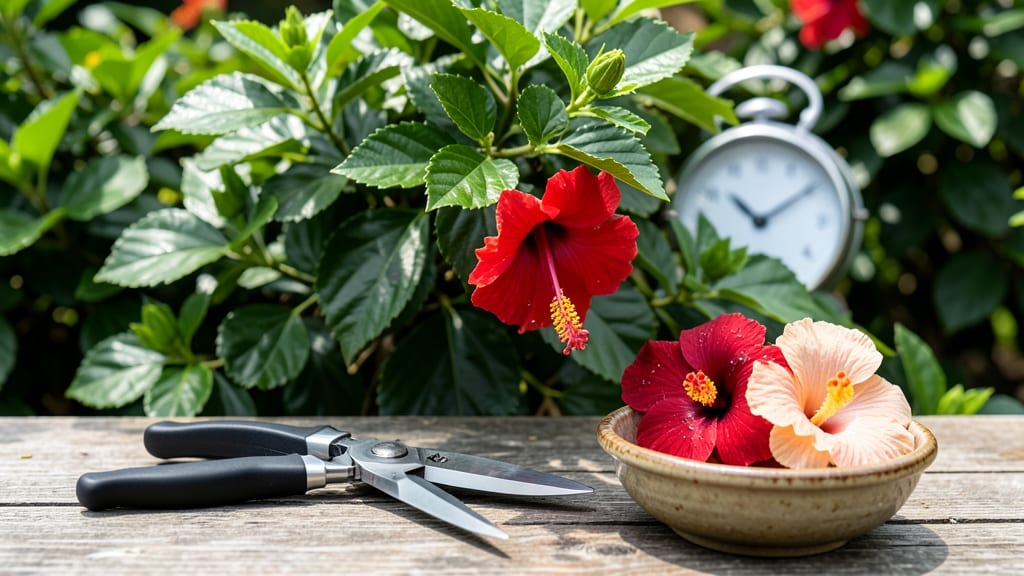
Harvesting hibiscus flowers for tea at the right time unlocks bold, citrusy flavors and maximum antioxidants—miss the window, and you’ll end up with bitter, wilted petals.
Picture this: you’ve nurtured your 🌸 hibiscus all season, and now the moment of truth arrives. But how do you know when those vibrant blooms are truly ready to steep into a fragrant, health-boosting cup?
The answer lies in a few key details—like the time of day, flower maturity, and even your local climate.
Most gardeners in USDA Zone 6a (and beyond) should aim for late summer to early fall, when the flowers are fully unfurled but still crisp. But there’s more to it than just the season—morning harvests yield the freshest flavor, while afternoon picks can turn sour.
I’ll break down the exact cues to look for, plus how to handle your harvest for the best tea every time.
By the end, you’ll know not just when to pick hibiscus for tea, but how to dry and store them for a cup that tastes like sunshine—no guesswork involved.

Best time of day to harvest hibiscus flowers for maximum flavor and antioxidants
The secret to brewing hibiscus tea with bold flavor and peak antioxidants lies in your harvest timing. Research shows that anthocyanin levels—the compounds responsible for hibiscus's deep color and health benefits—reach their highest concentration in the early morning.
This is when flowers are fully hydrated from overnight dew but haven't yet lost moisture to the sun.
Harvesting between 6 AM and 9 AM ensures your tea retains its bright hibiscus hue and tart-sweet profile. The morning window also minimizes bitterness, which develops as flowers age and sugars convert. For the best results, pick after dew has evaporated but before mid-morning heat intensifies.
Sunlight plays a critical role in hibiscus flavor development. Flowers harvested after 10 AM often taste harsher and more bitter due to increased phenolic compounds, which form as a natural defense against UV stress.
For Hibiscus sabdariffa (the variety used in traditional hibiscus tea), studies show that morning-harvested flowers produce tea with 30% higher vitamin C content compared to afternoon picks.
If you're growing Hibiscus rosa-sinensis (the ornamental type), the same principles apply, but focus on petal color intensity. The deeper the red or pink hue, the higher the anthocyanin concentration.
Use a handheld refractometer (for advanced gardeners) to measure sugar content—ideal levels are between 12% and 16% for balanced flavor.
Pro tip: Harvest every 2–3 days during peak bloom to encourage continuous flowering. Overloading the plant with too many flowers at once can stress it, leading to smaller blooms and reduced antioxidant levels. Prune spent flowers regularly to redirect energy toward new growth.
For gardeners in humid climates, morning harvests also reduce the risk of fungal contamination from dew. Always use clean, sharp scissors to avoid damaging stems, and never harvest after rain—wet flowers dilute flavor and accelerate spoilage.
Once harvested, dry flowers in a single layer on a mesh screen in a well-ventilated, shaded area for 3–5 days. Proper drying preserves up to 90% of antioxidants compared to air-drying in direct sunlight, which can degrade them by 20–30%.
Store dried hibiscus flowers in airtight glass jars away from light to maintain freshness for up to 6 months. When brewing, use 1 tablespoon of dried flowers per cup of hot water and steep for 5–7 minutes for a robust, flavorful tea.
🌸
How to identify perfectly ripe hibiscus flowers for tea brewing
Picking hibiscus flowers at the wrong stage can turn your tea bitter or dull. The key lies in visual cues and tactile checks that reveal peak ripeness.
Look for fully unfurled petals with vibrant color—this signals maximum anthocyanin content, the compound that gives hibiscus its deep hue and antioxidant power.
Start by examining the flower bud size. Optimal buds should be 2-3 inches wide when fully open, with petals spread wide but not yet curling at the edges.
A firm, green stem is another telltale sign—woody or dry stems mean the flower is past its prime and will yield a weaker brew.
Now, let’s talk about common mistakes that sabotage flavor. Overripe flowers with brown or wilted petals add bitterness, while rain-soaked blooms dilute the tea’s potency. Even a slight yellowing of the calyx (the green base) can ruin the harvest, as it indicates decay.
When to Harvest Hibiscus Flowers for Tea
- Bright flavor with high vitamin C
- Deep red hue in tea
- Max antioxidants for health benefits
- Crisp petals that dry well
- Bland taste from underripe buds
- Bitter notes from overripe flowers
- Weak color in brewed tea
- Mold risk from rain-damaged blooms
🌿 Best Practice: Harvest in morning sunlight after dew dries but before noon heat.
For Hibiscus sabdariffa (the variety used in hibiscus tea), focus on the calyx color. It should be a deep green, not fading to yellow or brown. Gently squeeze the calyx—it should feel plump and firm, not mushy. If the calyx splits easily, it’s overripe and best avoided.
Don’t forget to check the stem resilience. A ripe hibiscus stem should bend slightly but not snap. If it breaks easily, the flower may have been stressed by drought or disease, which can compromise both flavor and safety.
Always harvest with clean, sharp pruners to avoid damaging the plant or introducing pathogens.
Finally, avoid harvesting after rain. Damp flowers can develop mold during drying, leading to a musty tea. If you must pick after rainfall, let the blooms air-dry in a shady, well-ventilated area for 12-24 hours before processing. This extra step ensures your tea stays fresh and flavorful.