
Flowers
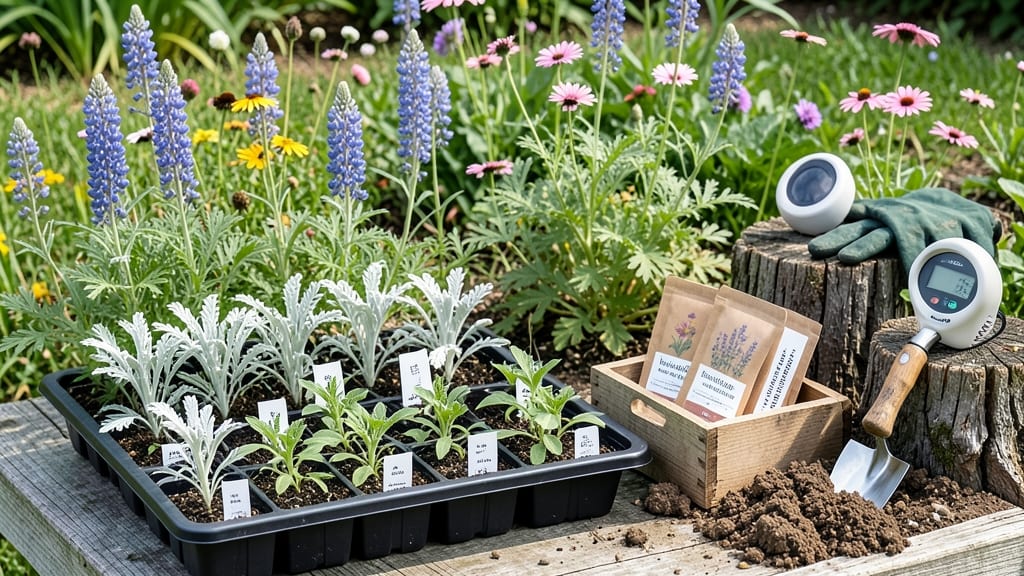
Planting flowers in Montana requires timing that matches its dramatic swings from frost to heat — miss the window, and your blooms may never make it past the first freeze.
Montana’s dramatic climate—from freezing mountain valleys to warm river basins—means planting flowers at the wrong time can turn your garden dreams into frost-killed disappointments. But with the right timing, you can enjoy vibrant blooms all season long.
Whether you’re in USDA Zone 2 or Zone 7, knowing when to plant is the difference between a thriving garden and a wasted effort. Below, I break down the best months for annuals, perennials, and bulbs, plus how to adjust for high-altitude areas.
You’ll learn how to time your planting for zero-frost success, which flowers thrive in Montana’s short season, and the pro tips that keep your garden blooming longer—even after the last frost date.
Montana’s frost-free deadlines by region: when to plant flowers safely
Montana’s diverse microclimates create unique challenges for gardeners. The Western region enjoys warmer springs, while Eastern Montana faces later frost dates, and mountain valleys can experience sudden cold snaps.
Understanding your USDA hardiness zone (ranging from Zone 2 to 7) and local frost patterns is key to planting flowers successfully.
For annual flowers, timing is everything—plant too early, and frost will kill tender seedlings. For perennials, early spring planting gives roots time to establish before summer heat arrives.
Below, I’ve broken down the frost-free deadlines for Montana’s three main regions, so you can plant with confidence and avoid frost-killed blooms.
🌱
In Western Montana, where USDA Zones 4-6 dominate, gardeners can start planting cool-season flowers like pansies as early as April. However, tender annuals like marigolds and zinnias should wait until after the average last frost date of mid-May to early June.
If you’re in Missoula or Bozeman, use row covers to extend your planting window by 2-3 weeks for heat-loving plants.
For Eastern Montana, including cities like Great Falls and Billings, the last frost date arrives later—typically between late May and early June.
This means annual flowers like cosmos and sunflowers should wait until early June to avoid frost damage. Perennials, such as coneflowers and bee balm, can be planted in early spring (April) since they establish roots slowly and tolerate cooler temperatures.
🌿
Gardeners in mountain regions, like those near Glacier National Park or Big Sky, face the shortest growing seasons. Here, USDA Zones 2-4 mean late frosts can linger until late June or early July.
Focus on hardy perennials like lavender, yarrow, and penstemon, which thrive in these conditions. If you’re eager to grow annuals, start them indoors in March and transplant after the frost-free date to maximize bloom time.
To check your local frost dates, consult the Montana State University Extension or use a frost calendar tailored to your specific town. Remember, microclimates matter—a valley might be 5°F warmer than a nearby hillside, so observe your garden’s unique conditions.
Planting at the right time ensures your flowers thrive, not just survive Montana’s unpredictable climate.
🌸
Best flowers for Montana’s short growing season: fast-blooming varieties to maximize beauty
Montana’s short growing season and unpredictable frosts demand flowers that bloom quickly and tolerate cool temperatures. The key is selecting cold-hardy annuals and perennials that establish roots fast and produce vibrant blooms before summer fades.
My top picks focus on varieties that thrive in USDA Zones 2–7, with many starting as soon as soil is workable in early May.
For instant color, prioritize flowers like sweet peas and delphiniums, which often bloom within 6–8 weeks of planting. These varieties not only survive Montana’s chilly springs but also extend their season with proper care.
Pair them with black-eyed Susans and coreopsis for long-lasting summer interest that thrives even as temperatures fluctuate.
Here’s my step-by-step guide to maximizing bloom time with the right flowers and planting strategies:
- 🌱 Sweet Peas – Plant late April to early May for early summer blooms. Choose ‘Cupani’ or ‘Blue Moon’ varieties for cold tolerance and rapid growth.
- 🌿 Delphiniums – Start seeds indoors in March or direct-sow after last frost. Stake tall varieties to prevent wind damage in Montana’s open spaces.
- 🌻 Black-Eyed Susans – Plant perennial varieties like ‘Goldsturm’ in spring or early fall for multi-year blooms. They tolerate drought once established.
- ✂️ Deadhead regularly to encourage continuous blooming. Remove spent flowers from coreopsis and coneflowers to extend their season by 4–6 weeks.
- 💧 Mulch heavily with straw or wood chips to insulate roots and retain moisture. This helps lupines and columbines thrive in Montana’s dry summers.
Don’t overlook bulbs like tulips and daffodils for early spring color. Plant them in fall (September–October) so they naturalize and return year after year. Pair them with early-blooming perennials like crocuses and heather to create a sequential bloom display from late spring through summer.
For container gardens, opt for pansies and violas, which tolerate light frosts and bloom prolifically in cool weather. Place containers near south-facing walls to capture extra warmth and extend the season by 2–3 weeks.
These varieties also deter pests like cabbage moths, making them a dual-purpose choice.
To stretch your blooms into late summer or early fall, try ‘Autumn Joy’ sedum or ‘Little Spoon’ coreopsis. Both handle Montana’s temperature swings and provide late-season interest when many other flowers fade. Combine them with Russian sage for a drought-tolerant, low-maintenance border that thrives with minimal watering.
With these fast-blooming, cold-hardy flowers, you’ll transform Montana’s challenging climate into a garden oasis packed with color from spring through fall. The secret? Plant early, choose wisely, and care consistently—your garden will reward you with months of beauty. 🌷