
Plants
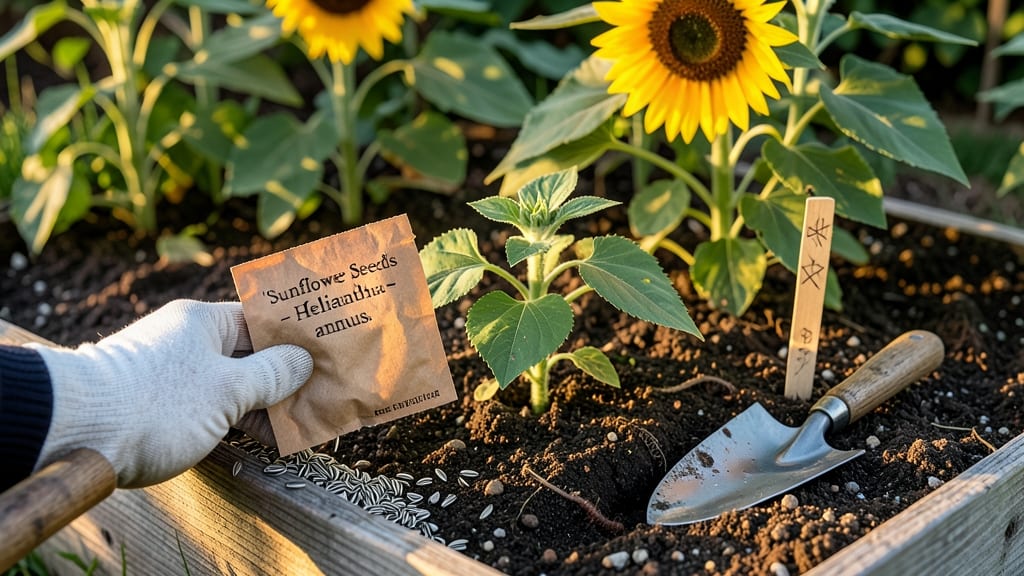
Planting sunflower seeds in Massachusetts at the right time means the difference between towering 🌻 blooms and a sad, stunted plant.
Massachusetts gardeners know timing is everything—plant sunflower seeds too early, and frost will kill your seedlings; too late, and summer’s heat will stunt growth. Get it right, and you’ll enjoy towering blooms that attract pollinators and brighten your landscape all season.
In USDA Zones 5b-7a, the ideal window runs from mid-April to late July, but soil temperature is the real game-changer. Seeds need at least 55°F to sprout, which usually means waiting until after the last frost—typically mid-April to early May.
Below, I break down the exact frost-free deadlines by region, soil temp triggers, and whether direct sowing or starter plants work best for your Massachusetts garden.
Massachusetts sunflower planting timeline: soil temperature and frost dates
Sunflowers thrive in Massachusetts when planted at the right time—after the last frost date and when soil temperatures reach at least 55°F. These conditions ensure strong germination and rapid growth before summer's peak heat.
In USDA Zones 5b-6a, where most of Massachusetts falls, timing varies slightly between coastal areas and inland regions, with inland zones often warming 1-2 weeks earlier.
Coastal regions like Cape Cod and Barnstable typically experience their last frost around May 10-15, while inland areas such as Worcester or Springfield see frost-free conditions by May 1-7. Always check local frost date averages—your garden’s microclimate can shift these windows by 10 days or more.
Soil temperature is just as critical as air temperature. Sunflower seeds need soil that’s consistently 55°F or warmer to germinate properly. In Massachusetts, this usually aligns with late April to early May for inland areas and early May to mid-May for coastal zones.
Use a soil thermometer to confirm—planting too early in cold soil can lead to rot or failed germination.
For a successful sunflower harvest, aim to plant seeds 2-3 weeks after your last frost date. This gives seedlings time to establish roots before summer’s heat intensifies. In Massachusetts, this often means late April to early May for inland regions and mid-May for coastal areas.
Late plantings in June or July can still yield flowers, but they’ll bloom later and may not reach full maturity before frost.
Here’s a quick reference for Massachusetts sunflower planting windows, broken down by region and key triggers:
| Region | Last Frost Date | Optimal Planting Window | Soil Temp Threshold | Notes |
|---|---|---|---|---|
| Inland (Worcester, Springfield) | May 1-7 | Late April - Early May | 55°F+ | Warmer soil earlier; ideal for early blooms. |
| Coastal (Cape Cod, Barnstable) | May 10-15 | Mid-May | 55°F+ | Cooler soils delay germination; plant later. |
| Western MA (Pittsfield, Berkshires) | April 25-May 1 | Late April | 55°F+ | Earlier frost-free dates; extend planting to June. |
| Boston Metro | May 5-12 | Early-Mid May | 55°F+ | Urban heat islands may warm soil faster. |
If you’re planting late-season sunflowers (like Moulin Rouge or Autumn Beauty), you can push the window to late June or early July. These varieties tolerate cooler soils and shorter growing seasons, making them ideal for coastal Massachusetts or high-altitude areas.
However, expect smaller blooms and shorter stems compared to spring-planted varieties.
Always monitor local weather forecasts in the days leading up to planting. A late frost warning can delay your schedule by weeks, while unexpected heatwaves can dry out soil too quickly.
For extra protection, use row covers or plant near windbreaks to shield seedlings from sudden temperature drops. In my experience, late May plantings often yield the most robust sunflowers in Massachusetts.
For real-time updates, check the Massachusetts Horticultural Society’s frost date tracker or the USDA Plant Hardiness Zone Map. These tools help adjust your timeline based on year-to-year variability—critical for sunflowers, which are sensitive to both early frosts and late heat.
With the right timing, you’ll enjoy sunflowers reaching 6-12 feet tall by late summer, adding height and color to your garden.
Pro tip: Mark your calendar for September 15, the average first frost date in most of Massachusetts. This gives you a 165-day growing season—plenty of time for sunflowers with 60-90 days to maturity, like Autumn Beauty or ProCut.
For faster varieties (45-60 days), like Teddy Bear, you can even plant as late as early July.
🌻
Direct sowing vs. starter plants: which works best for Massachusetts sunflowers?
When deciding how to grow sunflowers in Massachusetts, you're faced with two main options: direct sowing seeds outdoors or transplanting seedling starter plants. Each method has distinct advantages and challenges, especially in our shorter growing seasons and unpredictable late frosts.
Let me break down which approach might work best for your garden.
Direct sowing is the most common method for sunflower seeds because they germinate quickly and thrive when planted directly in the ground. This approach eliminates the risk of transplant shock, which can be particularly problematic for sunflowers.
However, it requires precise timing to avoid late spring frosts that can still occur after the official last frost date.
Transplanting starter plants offers a head start on the growing season, which can be crucial for late-blooming varieties or if you're in a cooler microclimate like coastal Massachusetts. The downside? Sunflowers have delicate root systems that can struggle when transplanted, often leading to stunted growth or poor establishment.
Direct Sowing vs. Starter Plants for Massachusetts Sunflowers
Direct Sowing
- ✅ Pros:
- Faster establishment with no transplant shock
- Better for short growing seasons (60-90 days to maturity)
- More cost-effective (no starter plants needed)
- Strong root development in native soil
- ❌ Cons:
- Risk of late frost damage if planted too early
- Requires precise timing (soil temp ≥55°F)
- Slower to establish flowering for late-season blooms
Starter Plants
- ✅ Pros:
- Earlier flowering (ideal for short seasons)
- Better for cooler microclimates (coastal areas)
- Easier to space evenly in tight gardens
- Can extend seasonal blooms with late transplants
- ❌ Cons:
- Transplant shock risk (30-50% failure rate)
- More expensive than seeds
- Weaker root systems compared to direct-sown
- Limited variety selection at local nurseries
For Massachusetts, direct sowing after May 15 (when soil reaches 55°F) is ideal for most varieties. Use starter plants only for late-season varieties or if you're in a cooler zone.
For Massachusetts gardeners, I recommend direct sowing as your primary method, especially for early- and mid-season varieties like 'Autumn Beauty' or 'Moulin Rouge'. These varieties mature in 60-90 days, leaving plenty of time to establish strong roots before our first frost.
Start seeds outdoors after May 15 when soil temperatures consistently stay above 55°F.
If you choose to transplant, do so only after hardening off seedlings for at least 7-10 days and when nighttime temperatures stay above 50°F.
For late-season varieties (90+ days to maturity), like 'Russian Giant', you might consider starter plants—but be prepared for potential setbacks if the plants struggle to adapt to your garden soil.
Remember, sunflowers are fast growers, and their success hinges on quick germination and strong early growth. In our USDA Zone 5-6 climate, direct sowing gives you the best chance to maximize their towering potential and vibrant blooms before winter sets in. 🌻