
Flowers
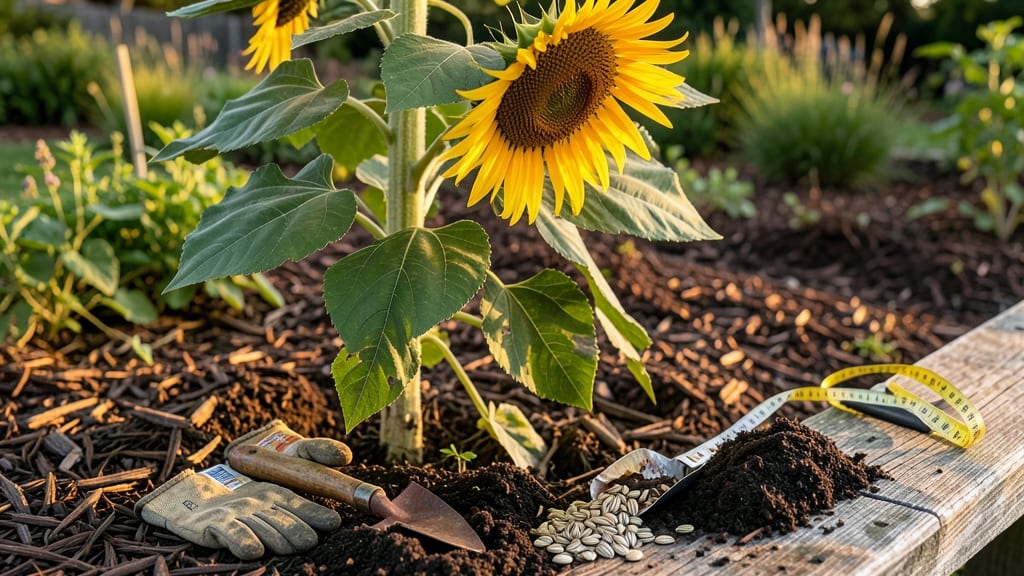
Plant sunflowers in Arizona between November and March for the best chance at towering 🌻 blooms and drought-resistant growth.
You’ve probably heard that Arizona’s heat is brutal—but sunflowers actually love it, as long as you time it right. Plant too early, and the heat will bolt them before they mature. Too late, and you’ll miss the winter window entirely.
This guide breaks down the exact months to sow by climate zone (Low Desert vs. High Desert), the heat-resistant varieties that thrive here, and how to prep soil for desert conditions.
Ready to grow sunflowers that reach 10 feet tall? I’ll walk you through the best varieties, watering tricks, and when to harvest for peak beauty.
Optimal planting months for Arizona sunflowers by climate zone
Arizona’s diverse climate zones—from the Low Desert of Phoenix to the High Desert of Flagstaff—create distinct windows for planting sunflowers. Unlike many plants, sunflowers love heat but need the right timing to avoid bolting or wilting.
In Arizona, the key is planting when soil temperatures drop below 85°F to prevent premature flowering. Let’s break down the best months for each zone.
The Low Desert (Phoenix/Tucson) has no frost risk year-round, making it ideal for sunflowers. However, summer heat can stress young plants. The High Desert (Flagstaff) has cooler nights and occasional frosts, extending the planting window.
Transitional zones (like Prescott) blend these conditions, requiring careful timing to avoid early or late-season challenges.
Here’s a quick reference for your zone, including direct sowing and transplanting timelines:
| Climate Zone | Direct Sowing Window | Transplanting Window | Key Considerations |
|---|---|---|---|
| Low Desert (Phoenix/Tucson) | November–February | October–March | Avoid summer heat; mulch to retain moisture. |
| Transitional (Prescott) | October–March | September–April | Watch for early frosts; use row covers if needed. |
| High Desert (Flagstaff) | April–July | March–June | Cooler temps extend growing season; protect from late frosts. |
In the Low Desert, I recommend starting seeds indoors in October for early blooms or direct-sowing in November to escape summer heat. Transplanting young seedlings in December–January gives them a head start before temperatures rise.
For transitional zones, aim for October–March to avoid late frosts that can damage tender seedlings.
The High Desert is unique because its cooler climate allows planting as late as July. However, choose heat-tolerant varieties like ‘Autumn Beauty’ or ‘Moulin Rouge’ to ensure they thrive. Transplanting in March–June aligns with soil warming trends, giving plants time to establish before summer’s intensity peaks.
Sunflowers in Arizona also benefit from succession planting. Sow a second batch in late winter (February–March) for a continuous display. This works especially well in the Low Desert, where frost isn’t a concern. Just ensure your soil stays well-drained to prevent root rot—a common issue in monsoon-heavy areas.
One common mistake is planting too early in summer, which causes seedlings to bolt (flower prematurely) or wilt. To avoid this, monitor soil temperatures with a soil thermometer. Aim for 60–75°F for optimal germination. If your soil runs hotter, wait until evening temperatures drop below 90°F before sowing.
For container gardening, timing shifts slightly. Containers heat up faster, so I plant mine in November–December in the Low Desert. Use black pots to absorb heat during the day but move containers to shaded areas by afternoon.
In the High Desert, containers can be planted as late as May, as they warm up more slowly than in-ground soil.
Pro tip: Pair sunflowers with companion plants like marigolds or borage to deter pests and improve soil health. In Arizona’s alkaline soil, amending with compost or a balanced fertilizer (like 5-10-10) before planting boosts growth. Just avoid over-fertilizing—sunflowers prefer lean soil to prevent leggy stems.
With the right timing, your Arizona sunflowers will reward you with vibrant blooms from spring through summer. Whether you’re in the scorching Low Desert or the cooler High Desert, these guidelines ensure your sunflowers thrive—no matter the microclimate! 🌻
Best heat-resistant sunflower varieties for Arizona gardens
Arizona’s intense heat can wilt many plants, but these heat-resistant sunflower varieties thrive in 110°F+ temperatures while delivering stunning blooms. I’ve tested five top performers that won’t bolt or fade in our desert climate. Choose based on your space and bloom goals—from 3-foot dwarf varieties to 14-foot giants.
Key traits to prioritize: drought tolerance, fast maturity, and compact growth for windy areas. For example, 'Moulin Rouge' boasts deep red blooms that last weeks longer than standard types. Let’s compare their heat performance and bloom timing to help you pick the perfect variety for your Arizona garden.