
Flowers
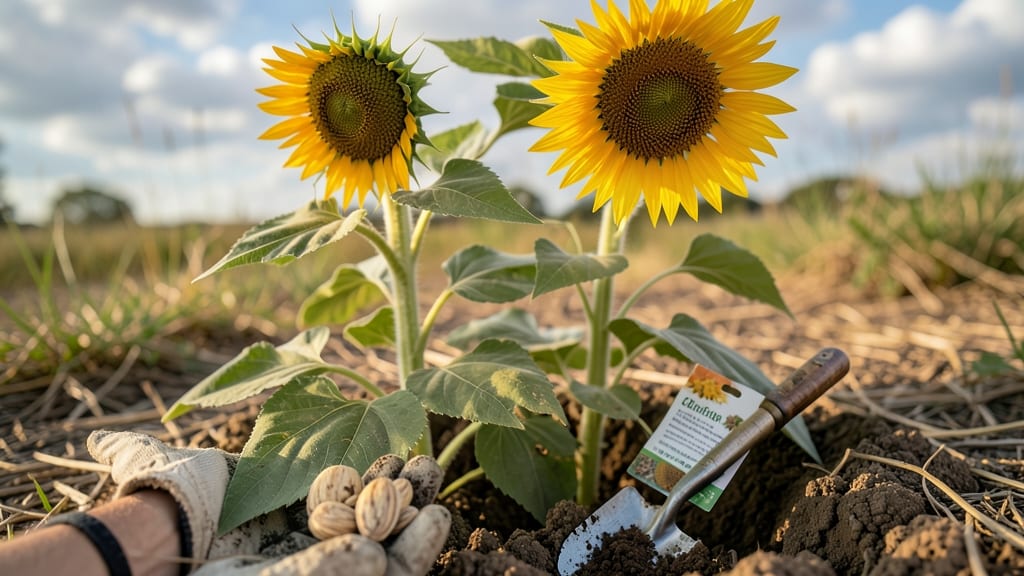
Planting sunflowers in Idaho after the last frost—typically between mid-April and early June—sets the stage for those iconic towering blooms 🌻.
But timing isn’t just about the calendar—it’s about avoiding those heartbreaking wilted stems when a late frost sneaks in or the heat arrives too soon.
In Idaho’s USDA Zones 4-7, the right window means the difference between sunflowers that reach their full height and ones that struggle from day one.
Whether you’re in Boise’s high desert or the cooler valleys near Moscow, the key is knowing your microclimate. Some areas can plant earlier, while others need to wait until the soil warms enough to support rapid growth.
Below, I’ll break down the exact planting dates for your zone, the best sunflower varieties for Idaho’s climate, and how to adjust for altitude or unexpected weather. No more guessing—just sunflowers that thrive from seed to bloom.
Idaho’s sunflower planting Zones: when to start seeds by USDA zone
Idaho’s USDA Zones 4-7 offer perfect conditions for sunflowers, but timing is everything. Plant too early, and frost will nip tender seedlings. Wait too long, and your giant ‘Russian Giant’ might not reach its full 14-foot glory.
Understanding your specific zone helps you align planting with soil temperatures and last frost dates—key factors for success.
The average last frost date in Idaho ranges from mid-April in Zone 7 (southern Idaho) to early June in Zone 4 (northern Idaho). For sunflowers, which thrive in warm soil (60°F+), this means waiting until after these dates for direct sowing.
If you’re eager to start earlier, indoor seed-starting in March works for Zones 4-5, while Zones 6-7 can wait until mid-April.
Here’s your zone-by-zone planting guide, including ideal transplant dates and soil prep tips to ensure your sunflowers—whether dwarf ‘Teddy Bear’ or towering ‘Moulin Rouge’—thrive from seed to bloom.
| Zone | Last Frost Date | Indoor Start (Mar) | Outdoor Plant (Apr-Jun) | Soil Temp Threshold | Transplant Ready |
|---|---|---|---|---|---|
| Zone 4 (North) | May 1–15 | Mid-March | Late May–Early June | 60°F+ | After June 1 |
| Zone 5 (Northeast) | April 20–May 1 | Late March | Mid-May–Late May | 60°F+ | After May 15 |
| Zone 6 (Central) | April 15–April 30 | Early April | Early–Mid May | 55°F+ | After May 1 |
| Zone 7 (South) | April 1–April 15 | None (direct sow) | Mid-April–Early May | 50°F+ | After April 15 |
Note: Adjust for microclimates (e.g., mountain valleys stay cooler longer).
For Zone 4 gardeners in areas like Coeur d’Alene or Sandpoint, starting seeds indoors in mid-March gives you a head start. Use grow lights to maintain 70°F soil temps until transplanting outdoors after June 1, when nighttime temperatures consistently stay above 50°F.
This extended growing season helps dwarf varieties like ‘Moulin Rouge’ mature before the first frost in October.
In Zone 5 (e.g., Moscow or Priest River), you can direct-sow seeds in mid-May once soil reaches 60°F. However, for giant sunflowers like ‘Russian Giant’, starting seeds indoors in late March ensures they’re large enough to transplant by May 15.
These varieties need 120+ frost-free days, so timing is critical to avoid stunted growth.
Zone 6 gardeners in Boise or Twin Falls enjoy longer growing seasons. Direct-sow seeds in early May for most varieties, but for early blooms, start ‘Teddy Bear’ indoors in early April. These dwarf sunflowers tolerate cooler temps better, making them ideal for succession planting every 2 weeks to extend your harvest window.
Southern Idaho’s Zone 7 (e.g., Burley or Idaho Falls) allows for the earliest planting. Direct-sow seeds in mid-April as soon as soil warms to 50°F.
This zone’s longer frost-free season (up to 160 days) lets you grow both early-season and late-season varieties, like ‘Autumn Beauty’, which blooms in fall colors before frost.
Regardless of your zone, soil preparation is just as important as timing. Sunflowers prefer well-draining soil with a pH of 6.0–7.0. Amend heavy clay soils with compost or
How to adjust planting timing for Idaho’s microclimates and sunflower varieties
Idaho’s diverse landscapes—from the high-desert valleys of Boise to the mountain foothills near Coeur d’Alene—create unique growing conditions that demand sunflower planting precision.
A Russian Giant planted too early in Twin Falls might bolt from heat stress, while a Teddy Bear in Moscow’s cooler valleys could suffer frost damage if delayed. Your microclimate dictates everything from seed-starting dates to transplant timing.
Let’s break down the three key Idaho regions and how to match sunflower varieties to their ideal planting windows. High-desert areas like Boise and Twin Falls have hotter, drier summers, while valley regions like Moscow experience cooler nights and longer frost seasons.
Mountain foothills, such as those around Coeur d’Alene, offer a moderate balance but require careful timing to avoid late-spring frosts.
Comparison Table for Idaho’s Microclimates and Sunflower Varieties:
For high-desert areas, prioritize heat-tolerant varieties like ‘Russian Giant’ and plant seeds indoors by mid-March to ensure they’re ready for transplant by late April.
These regions benefit from succession planting every 2 weeks to extend blooms through summer’s peak heat. Boise’s dry air means you’ll need to monitor soil moisture closely—mulch heavily to retain moisture.
In mountain foothills, like around Coeur d’Alene, focus on early-maturing varieties such as ‘Teddy Bear’ (3-4 feet tall) to avoid late frosts. These areas often experience temperature swings, so use black plastic mulch to warm the soil faster.
If you’re planting ‘Russian Giant’, consider staking to prevent wind damage from mountain breezes.
Valley regions like Moscow have cooler growing seasons, making them ideal for dwarf varieties like ‘Sunspot’ or ‘ProCut’. Plant these directly in the garden after Memorial Day to avoid frost.
If you’re growing taller varieties, extend the season by starting seeds indoors in early April and transplanting after the last frost date—typically around May 15 in this zone.
Pro tip: Use a soil thermometer to confirm planting readiness—sunflowers need soil temperatures above 55°F for germination. In Idaho’s variable climate, this tool is your best friend for avoiding cold-soil delays or heat stress in early plantings.