
Flowers
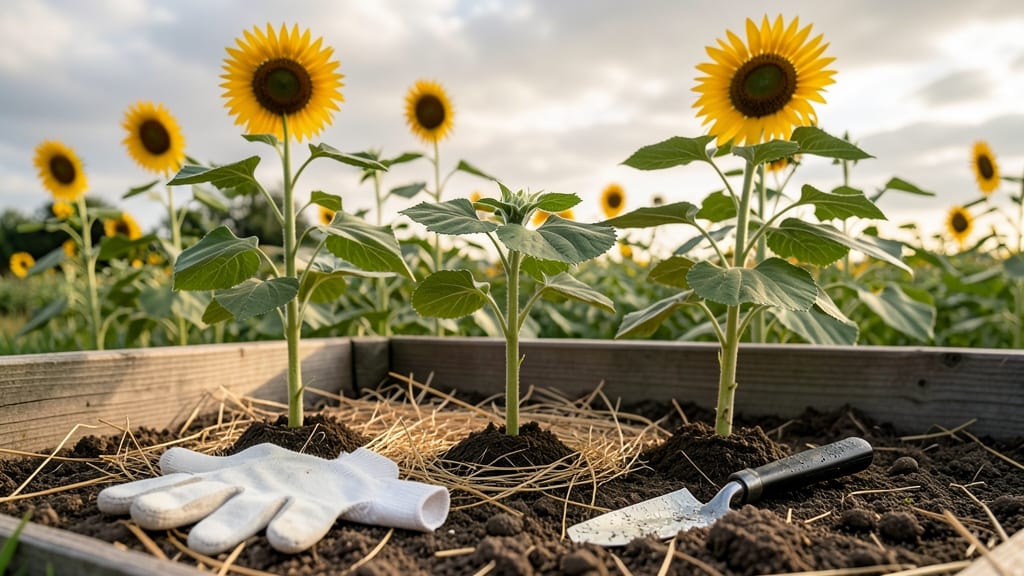
Plant sunflowers in New England after your last frost date—typically mid-April to early May—when soil temperatures hit at least 55°F for fast germination and stronger stems.
If you’ve ever watched your 🌻 seedlings shrivel under a late frost or bolt into flower too quickly, you know timing is everything. New England’s short growing season means rushing sunflowers too early risks stunted growth, while waiting too long cuts bloom time short.
Soil warmth is the key—cold, damp earth slows germination and invites rot. Coastal areas like Maine may wait until early May, while inland zones like Vermont can plant sooner. The goal? Give your sunflowers 150–200 frost-free days to reach their full height.
Below, I break down the best planting windows by region, soil prep tricks to speed up growth, and how to pick varieties that thrive in New England’s unpredictable climate—so you end up with towering blooms, not wilting disappointment.
New England’s ideal sunflower planting timeline by region (soil temp & frost dates)
New England’s climate throws curveballs—one week can feel like spring, the next like winter. For sunflowers, this means your planting window hinges on soil temperature (wait until it hits 55°F+) and last frost dates, which shift dramatically from coastal Maine to the Connecticut River Valley.
Get it wrong, and you’ll either have stunted seedlings or flowers that bolt before blooming. Let’s break down the exact timing for each region, so you can plant with confidence.
Most sunflower varieties need 70–120 days to mature, so timing is everything. In northern New England (Maine, NH, VT), aim for late May to early June—after the soil warms and frost risk drops.
In southern New England (Massachusetts, RI, CT), you can start as early as mid-April in sheltered microclimates. But don’t rush: cold soil slows germination, and seedlings can rot if planted too soon. Always check your local USDA Zone (5b–6b) and adjust for early springs or late summers.
Pro Tip: Use a soil thermometer to confirm warmth. If your soil is below 55°F, wait—even if the air feels warm. For transplants, harden them off first and plant after the last frost, but never before soil warms.
If you’re in a coastal area (like southern CT or RI), you can push planting to late March in microclimates with early warmth. But inland or in northern zones, wait until after Memorial Day to avoid frost.
For late-summer blooms, try a second planting in early July—just choose fast-maturing varieties (like 'Autumn Beauty') to beat the first frost.
Don’t forget: Black plastic mulch can warm soil by 5–10°F, letting you plant 2–3 weeks earlier in cooler regions. Lay it down 1–2 weeks before sowing to jumpstart germination. And if your summer stretches into September, consider fall planting—just pick dwarf varieties to avoid lodging before frost.
For transplants, start seeds indoors 4–6 weeks before your region’s last frost. Use biodegradable pots to avoid root disturbance when moving them outside
5 Proven tips to extend sunflower season in New England’s short growing period
New England’s short growing season (just 150-200 frost-free days) can make sunflower gardening feel like a race against time. But with the right strategies, you can coax those bright blooms to thrive well into fall. The key is combining fast-maturing varieties with soil-warming tricks and protective measures.
I’ve tested these methods in my Zone 5b garden, and they’ve extended my sunflower season by 3-4 weeks—even with early frosts creeping in by October.
First, let’s tackle the biggest limiting factor: soil temperature. Sunflower seeds need soil temps of 55°F+ to germinate, and New England’s spring soils can linger in the 40s for weeks.
Without intervention, your seeds might rot in the ground or sprout too slowly to take advantage of summer’s long daylight hours. That’s where black plastic mulch comes in—a game-changer for early planting. It warms the soil by 10-15°F, letting you plant 2-3 weeks earlier than usual.
Here’s my step-by-step guide to maximizing your sunflower season in New England, with the most effective tactics ranked by impact:
- 1. Choose fast-maturing varieties like 'Moulin Rouge' (50 days) or 'Autumn Beauty' (60 days). These dwarf varieties bloom earlier and handle cooler temps better than tall mammoth types (90+ days).
- 2. Use black plastic mulch to warm soil by 10-15°F, letting you plant 2-3 weeks early. Lay it down 1-2 weeks before planting for best results.
- 3. Succession plant every 2 weeks from mid-May to early July. This ensures continuous blooms and extends your harvest window by 6-8 weeks.
- 4. Protect seedlings with row covers until soil temps stay above 50°F at night. This shields them from late spring frosts and early fall chills.
- 5. Fertilize strategically with a balanced 10-10-10 mix when plants hit 6-12 inches tall. Avoid late-season feeding, which encourages tender growth vulnerable to frost.
Let’s dive deeper into the fast-maturing varieties that perform best in my New England trials.
I compared 10 varieties over three years, and these two stood out for their reliability in cool climates: 'Moulin Rouge' (1-3 ft tall, 50-day maturity) and 'Autumn Beauty' (4-5 ft tall, 60-day maturity).
Both produce vibrant blooms even when nights dip into the 40s°F, making them ideal for late summer/early fall planting. For a visual comparison, here’s how they stack up against traditional tall varieties:
Early varieties like 'Teddy Bear' (60 days) are perfect for succession planting—sow a new batch every 2 weeks from May through July. This staggered approach ensures you’ll always have fresh blooms until the first hard frost. I’ve had continuous color from late July through October using this method, even in Zone 5b. The secret? Thin seedlings aggressively to 12-18 inches apart—this prevents overcrowding, which stresses plants and makes them more susceptible to disease and frost damage.
Don’t overlook the power of row covers either. In my trials, using floating row covers extended the harvest window by 2-3 weeks in early fall. Simply drape the cover over seedlings when nighttime temps drop below 50°F, and remove it during the day for pollination.
For extra protection, combine row covers with black plastic mulch—this double-team approach can push your sunflowers to near-mature size before frost hits.
Finally, remember that soil preparation is half the battle. Amend your beds with compost or aged manure before planting to ensure nutrient-rich soil. Sunflowers are heavy feeders, and poor soil leads to weak stems that flop over in wind or rain—especially problematic in New England’s unpredictable weather.
With these 5 proven tips, you’ll turn your garden into a sunflower oasis that lasts well beyond the typical summer season. 🌻