
Planting
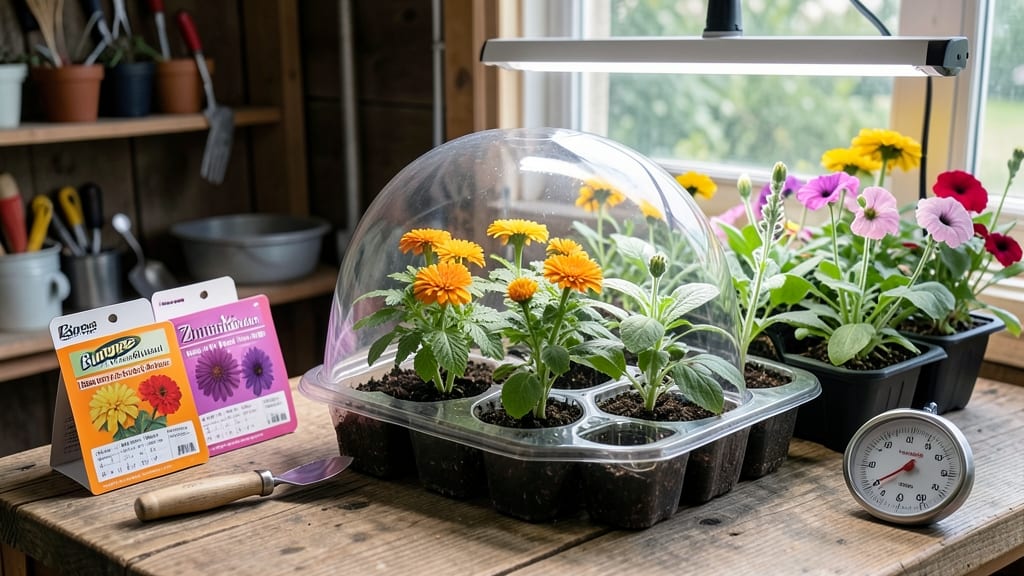
When to start planting flower seeds at the right time means the difference between a garden bursting with color and a sad, withered mess.
Timing your flower seed planting wrong can mean wilted dreams before blooms—knowing your last frost date and seed type is the secret to vibrant gardens.
If you’ve ever rushed to plant seeds only to watch them freeze under a surprise frost, you know how critical getting the timing right really is. The good news? With a little planning, you can avoid that heartbreak and enjoy blooms all season long.
In this guide, I’ll break down exactly when to start planting flower seeds based on your USDA zone, whether you’re sowing indoors or outdoors, and which flower types thrive with early starts versus late ones.


How last-frost dates determine flower seed planting timing by USDA Zone
Your last-frost dates are the gardener's golden rule for flower seed timing. These dates—when temperatures reliably stay above freezing—dictate whether you start seeds indoors or direct-sow outdoors. Missing this window can mean frost-killed seedlings or stunted growth, while planting too early risks dampening off in cold, wet soil.
Every USDA Zone (3 through 11) has its own frost-free timeline. For example, Zone 3 (think Minnesota or Maine) has a 120-150 day growing season, while Zone 11 (Hawaii or southern Florida) enjoys year-round planting. Understanding these differences lets you tailor your seed-starting schedule to your climate.
Annuals and perennials also play by different rules. Annual flowers like marigolds or zinnias need precise timing to bloom all season, while perennials (like coneflowers) can often handle cooler temperatures.
Let’s break down the planting windows by zone and seed type so you can avoid common mistakes like overcrowding seedlings or skipping hardening off.
| USDA Zone | Last Frost Date | Indoor Start (Weeks Before Last Frost) | Direct Sow (After Last Frost) | Notes |
|---|---|---|---|---|
| 3-4 | Mid-May to early June | 8-12 weeks before | Late May to June | Cold-hardy annuals (pansies, snapdragons) can direct-sow earlier. |
| 5-6 | Early to mid-May | 6-10 weeks before | Mid-May to early June | Perennials (foxgloves, delphiniums) can start indoors 12-14 weeks early. |
| 7-8 | Mid-April to early May | 4-8 weeks before | Early April to May | Warm-season flowers (marigolds, zinnias) wait until soil is 60°F+. |
| 9-10 | Late February to March | 2-6 weeks before | February to April | Longer growing season allows for multiple plantings. |
| 11 | Year-round (no frost) | Plant anytime | Year-round | Succession planting every 2-3 weeks for continuous blooms. |
For Zones 3-4, where winters are harsh, I recommend starting tender annuals like petunias and geraniums 8-12 weeks before your last frost.
Use grow lights if natural light is limited, and keep seedlings at 65-70°F for optimal germination. Hardening off these seedlings for 7-10 days before transplanting is critical—it toughens them up for outdoor conditions.
In Zones 5-8, the window is wider, but don’t rush. Warm-season flowers like sunflowers and cosmos need soil temperatures above 60°F to germinate.
Test your soil with a thermometer—if it’s cooler, wait or use black plastic mulch to warm it faster. Perennials like black-eyed Susans can often handle cooler soil, so start them 4-6 weeks earlier than annuals.
If you’re in Zones 9-11, you’re in luck—your frost-free season is long, and you can plant almost year-round. However, even here, timing matters. Heat-sensitive flowers like snapdragons or sweet peas prefer cooler spring weather, while
Best flower seed types by planting timeline (cold-hardy vs heat-loving)
Not all flower seeds play by the same rules when it comes to planting timing. Some cold-hardy varieties thrive when you start them early, while heat-loving annuals need to wait until soil warms.
The key is matching your seed type to your last frost date—and knowing which flowers can handle a little chill. Let’s break down the best planting windows for three major categories: frost-tolerant beauties, warm-season showstoppers, and long-season divas that need extra time.
Cold-hardy flowers like pansies and snapdragons can handle light frosts, making them perfect for early spring sowing—sometimes even 6-8 weeks before your last frost date. Meanwhile, marigolds and zinnias won’t germinate until soil reaches 60°F+, so waiting until after your last frost is critical.
Then there are foxgloves and delphiniums, which need a long growing season and often benefit from indoor starts 10-12 weeks before transplanting. Get the timing wrong, and you’ll end up with leggy seedlings or no blooms at all.
🌱 When to Start Planting Flower Seeds by Type
- Cold-Hardy Flowers (Pansies, Snapdragons, Calendula) Start 6-8 weeks before last frost—direct sow or indoors. These thrive in cooler temps and can even handle light frosts after planting.
- Warm-Season Annuals (Marigolds, Zinnias, Sunflowers) Wait until after last frost when soil is 60°F+. Direct sow or start indoors 4-6 weeks before transplanting outdoors.
- Long-Season Flowers (Foxgloves, Delphiniums, Hollyhocks) Start indoors 10-12 weeks before last frost. These need a long growing season (90+ days) and often struggle if planted too late.
- Heat-Tolerant Perennials (Black-Eyed Susans, Coneflowers) Direct sow after last frost or start indoors 6-8 weeks before. They handle summer heat but need established roots before extreme temps.
- Bulbs (Tulips, Daffodils—Plant in Fall!) Plant 6-8 weeks before first frost in fall. They need cold stratification to bloom next spring.
For cold-hardy flowers, I always start mine indoors in late winter—around February or March in most zones—to give them a head start. Pansies, for example, can handle 28°F temps once established, so they’re my go-to for early spring color.
Just be sure to harden them off before transplanting to avoid shock. If you’re in a Zone 3-5, aim for early April outdoor planting, while Zones 6-8 can wait until late March.
On the flip side, heat-loving flowers like zinnias and marigolds won’t germinate until the soil warms up. I test soil temp with a thermometer—if it’s below 60°F, I hold off.
For these, I often direct sow after Memorial Day in cooler climates, but in Zones 9-11, I can start as early as February under row covers. The trick is to monitor local forecasts and avoid planting too soon, which can lead to damping off or stunted growth.
My long-season favorites, like foxgloves, require extra patience. I start them indoors in January and keep them under grow lights until April, when I transplant them outside. These plants need 90+ frost-free days to mature, so timing is everything.
If you live in a short-season zone, consider choosing dwarf varieties or opting for annuals with shorter days to maturity, like cosmos or bachelor’s buttons.
Pro tip: Use a planting calendar based on your USDA Zone to avoid guesswork. For example, in Zone 7, I plant cold-hardy seeds in March, warm-season seeds in May, and long-season seeds indoors by January.
Adjust for your microclimate—shady spots stay cooler longer, while south-facing beds warm up faster. With the right timing, you’ll have continuous blooms from spring to fall—no gaps, no regrets! 🌷