
How To
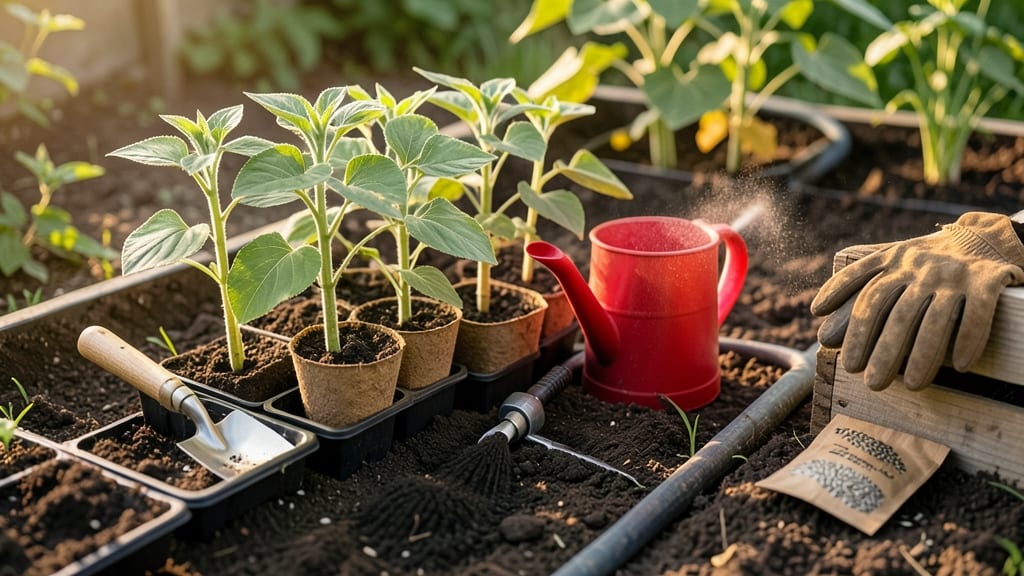
Transferring sunflower seedlings at the right time ensures they thrive 🌻—not too early (risking frost) and not too late (losing their growth edge).
Sunflowers are a gardener’s dream—tall, vibrant, and surprisingly easy to grow—but timing their transplant just right can mean the difference between thriving plants and stunted growth. Get this critical step wrong, and your seedlings could shock or fail entirely.
Most gardeners wait until soil temperatures hit 60°F or warmer, but that’s just the start. You’ll also need to check for frost risk in your zone, harden off seedlings over 5-7 days, and pick the right weather window for minimal transplant shock.
In this guide, I’ll walk you through the exact soil temperature tricks, regional adjustments, and common mistakes to avoid—so your sunflowers grow strong from day one.
Optimal soil temperature for transplanting sunflower seedlings
Sunflower seedlings thrive when transplanted into soil that’s warm enough to support root development but not so hot it stresses tender roots. The ideal soil temperature range for transplanting is between 60-70°F. This warmth ensures roots establish quickly, reducing transplant shock—a common issue when seedlings are moved too early.
Cold soil can stunt growth or even kill seedlings, while overly hot soil may cause root burn.
Soil temperature matters more than air temperature because roots absorb warmth directly from the earth. A soil thermometer is your best tool to check—simply insert it 2-3 inches deep where you’ll plant.
If the reading is below 60°F, wait a few days. If it’s above 75°F, consider transplanting in the early morning or late evening to avoid heat stress.
Here’s a quick reference for regional adjustments based on USDA zones. Early spring planters in Zones 3-5 should aim for late May or early June, while Zones 6-9 can transplant as early as April.
Always check your local last frost date and add 2-4 weeks to ensure safety. For example, in Zone 7, where last frost is around April 15, transplanting by May 1 is ideal.
| Zone | Ideal Transplant Window | Soil Temp Check | Key Risk |
|---|---|---|---|
| 3-5 | Late May - Early June | 65-70°F | Late frost damage |
| 6-7 | Early May - Mid-May | 60-65°F | Cold shock |
| 8-10 | March - Early April | 55-60°F | Heat stress |
One of the biggest mistakes gardeners make is transplanting based on air temperature alone. A 60°F morning might feel perfect, but if the soil is still 50°F, roots won’t thrive. To speed up soil warming, use black plastic mulch or row covers a few days before transplanting.
These tools raise soil temperature by 5-10°F, creating an ideal environment for sunflower roots to establish.
If you’re in a cooler microclimate (like a shaded or northern-facing garden), extend your seedlings’ time in containers by 1-2 weeks to harden them off longer. This extra time helps them tolerate lower soil temperatures.
For container growers, use a heat mat under pots to maintain 65-70°F soil temps until transplanting outdoors.
Watch for visual signs of cold stress after transplanting, such as yellowing leaves or stunted growth. These symptoms often mean the soil was too cold. If you notice them, mulch heavily with straw or leaves to insulate the roots and wait a week before reassessing.
Overwatering cold soil can also cause root rot, so water lightly until the soil warms up.
For late-season transplants (e.g., in Zones 8-10mid-June to avoid summer heat stress. Sunflowers planted too late may bolt quickly or produce smaller blooms.
If you’re in a short growing season, opt for fast-maturing varieties like ‘Moulin Rouge’ (60 days) or ‘Autumn Beauty’ (70 days), which tolerate cooler soils better than giant varieties.
Pro tip: Test your soil’s warmth at different times of day. Morning soil temps can be 10°F cooler than afternoon temps. If you’re transplanting in the afternoon, check soil temperature 2 hours before to account for warming.
This small adjustment can prevent transplant shock and give your sunflowers the best start possible.
Remember, sunflowers are forgiving plants, but they reward precise timing. By monitoring soil temperature, adjusting for your zone, and avoiding common pitfalls, you’ll set your seedlings up for strong roots and towering blooms all season long. 🌻
Signs your sunflower seedlings are ready for transplanting (beyond temperature)
While soil temperature is crucial for transplanting sunflower seedlings, it’s not the only factor to consider. Healthy, resilient seedlings show clear visual cues that they’re ready to handle outdoor conditions. These signs help you avoid transplant shock and ensure strong growth from the start.
First, check your seedlings for leaf size. Mature sunflower seedlings should have 4-6 true leaves—these are the larger, more defined leaves that appear after the initial seed leaves. Smaller leaves mean the plant isn’t ready for the stress of transplanting.
Next, examine the stem strength. Ready-to-transplant seedlings have thick, sturdy stems that can support themselves without bending or breaking. Gently touch the stems—if they wilt or snap easily, they’re not resilient enough for outdoor conditions yet.
Here’s the key takeaway to confirm your seedlings are ready for transplanting:
✅ Sunflower Seedling Transplant Checklist
- Leaf count: 4-6 true leaves
- Stem strength: Thick and upright (no bending)
- Root system: Crowded in pot (roots at soil surface)
- Hardening off: 7-10 days of gradual outdoor exposure
💡 Pro Tip: Tap the pot gently—if roots circle the edges, it’s time to transplant!
Don’t overlook the root development. If roots are circling the bottom of the pot or growing through drainage holes, your seedlings are root-bound and need more space. This is a clear sign they’re ready to move to the garden.
Before transplanting, harden off your seedlings over 7-10 days. Start by placing them outside in a shaded, sheltered spot for a few hours, then gradually increase their exposure to direct sunlight and wind. This process helps them adjust to outdoor conditions.
Finally, transplant on a cloudy day or in the early morning to reduce stress. Water the seedlings thoroughly before and after transplanting to help them establish quickly. With these signs and steps, your sunflowers will thrive in their new home!