
Flowers
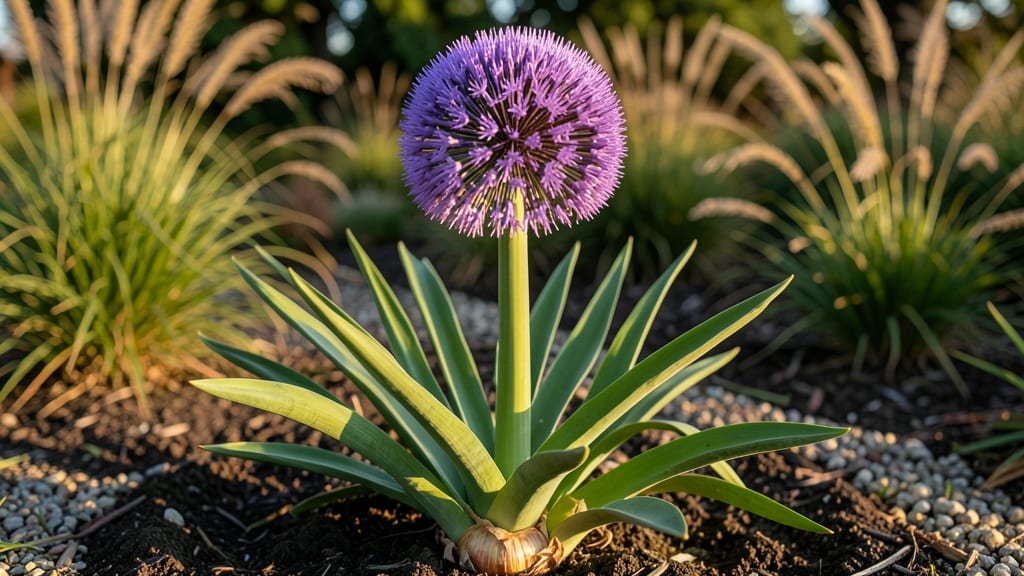
Allium flowers bloom in late spring to early summer 🌷, but the exact timing depends on your USDA zone and variety.
Wondering why your allium flowers aren’t blooming when they should? Timing is everything in gardening, and knowing the exact USDA zone bloom schedule can mean the difference between a stunning spring display and a missed opportunity.
In Zone 6a, most alliums like Allium giganteum and Allium sphaerocephalon start flowering in April and continue through June, but cooler climates may push blooms later. Southern zones often see earlier blooms, sometimes as early as March.
Below, I’ll break down the peak bloom windows by zone, share tips to encourage timely blooms, and help you troubleshoot delays—so you can enjoy those dramatic purple globes and pincushion flowers right on schedule.
Allium flower bloom time by USDA hardiness Zones: when to expect blooms
Allium flowers are a gardener's dream—their dramatic spherical blooms and long stems create stunning vertical interest. But timing is everything. If you're planning your spring garden, knowing when to expect those showstopping blooms by your USDA zone ensures you won’t miss the peak display.
From early spring in Zone 10 to late spring in Zone 3, alliums offer versatility, but their bloom windows shift dramatically based on climate.
Northern gardeners in Zones 3-5 often see alliums emerge as early spring bloomers, while southern gardeners in Zones 8-10 may enjoy fall or winter blooms in milder climates. The key? Understanding your local frost dates and choosing varieties suited to your zone.
For example, Allium giganteum thrives in cooler regions, while Allium sphaerocephalon prefers warmer zones. Let’s break down the bloom schedule so you can plan your garden like a pro.
🌱 Pro Tip: Alliums are perennial in most zones, meaning they’ll return year after year. Planting them in fall (Zones 3-7) or early spring (Zones 8-10) gives them time to establish roots before blooming.
| USDA Zone | Bloom Window | Early Varieties | Late Varieties | Climate Notes |
|---|---|---|---|---|
| 3-4 | Late May - Early June | Allium cernuum | Allium giganteum | Short growing season; plant bulbs in fall for early blooms. |
| 5-6 | Early May - Late June | Allium moly | Allium schubertii | Moderate frost risk; protect bulbs in winter. |
| 7-8 | April - Early June | Allium karataviense | Allium sphaerocephalon | Longer bloom season; some varieties rebloom in fall. |
| 9-10 | February - May | Allium roseum | Allium christophii | Mild winters; plant in fall or early spring for year-round color. |
In Zones 3-4, where winters are harsh, alliums like Allium cernuum bloom as early as late May to take advantage of the short growing season. These early bloomers often emerge before other perennials, adding bold color to spring gardens.
Plant bulbs in fall (September-October) to ensure they establish roots before winter’s chill sets in.
Moving to Zones 5-6, you’ll see a wider bloom window from early May to late June. Varieties like Allium moly (lamb’s ears) and Allium schubertii thrive here, offering longer-lasting blooms.
In these zones, late spring frosts can delay blooming, so choose hardy varieties and consider mulching to protect roots.
Gardeners in Zones 7-8 enjoy the most flexibility, with blooms stretching from April to early June. This is where Allium sphaerocephalon (drumstick allium) shines, producing unique spherical blooms that last weeks. In warmer microclimates, some varieties may even rebloom in fall, extending your seasonal display.
For Zones 9-10, alliums are winter bloomers in many cases. Varieties like Allium roseum (starflower) can bloom as early as February, while others like Allium christophii extend blooms into May.
The mild climate allows for year-round planting, but summer heat can stress bulbs, so provide afternoon shade and consistent moisture.
How to extend Allium bloom time: planting tips for longer seasonal display
Alliums are stunning spring stars, but their bloom time can feel disappointingly short. With the right planting strategies, you can stretch their display from a few weeks to nearly two months.
The secret lies in staggered planting and understanding your USDA zone—because what works in Zone 5 won’t always suit Zone 9.
I’ve found that succession planting every 2-3 weeks creates a cascading effect. Start with early bloomers like Allium 'Purple Sensation' in late winter, then follow with Allium 'Globemaster' and Allium 'Haarlem Pearl' for a prolonged show.
This approach turns a single burst of color into a season-long spectacle that keeps your garden buzzing with activity.
🌱 5 Pro Tips to Extend Allium Bloom Time
- Stagger plantings by 2-3 weeks for continuous blooms
- Choose sun-loving varieties like 'Millennium' for longer displays
- Plant bulbs 6-8 inches deep in well-draining soil to prevent rot
- Deadhead spent blooms to redirect energy to new growth
- Mulch with 2-3 inches of compost to retain moisture
Your soil preparation makes all the difference. Alliums thrive in sandy loam with a pH between 6.0-7.0. Before planting, mix in composted manure or aged compost to boost nutrients.
I swear by adding a handful of bone meal at planting time—it gives those bulbs the phosphorus kick they need for strong stems and vibrant blooms.
Don’t overlook light requirements. While most alliums tolerate partial shade, they truly shine with 6+ hours of direct sunlight. In hotter zones (7-10), provide afternoon shade to prevent wilting. I’ve seen Allium 'Schubert' in full sun bloom a full week longer than those planted in dappled shade.
After blooming, resist the urge to cut everything back. Leave the foliage until it yellows—this allows the bulb to store energy for next year’s flowers. Once the leaves turn brown, you can trim them back to 2 inches above ground.
This simple step ensures your alliums return year after year with stronger, longer-lasting blooms.
For container gardening, choose dwarf varieties like 'Tacitus' and plant 3-4 bulbs per pot. Use a fast-draining mix with perlite or pumice, and place containers where they’ll get maximum sunlight.
I’ve had potted alliums bloom for 3-4 weeks longer than those in garden beds because containers warm up faster in spring.
With these techniques, you’ll transform your alliums from a brief spring highlight into a showstopping seasonal feature. The key is patience—staggered planting and proper care pay off with weeks of continuous color that’ll make your neighbors green with envy. 🌷