
Blooming
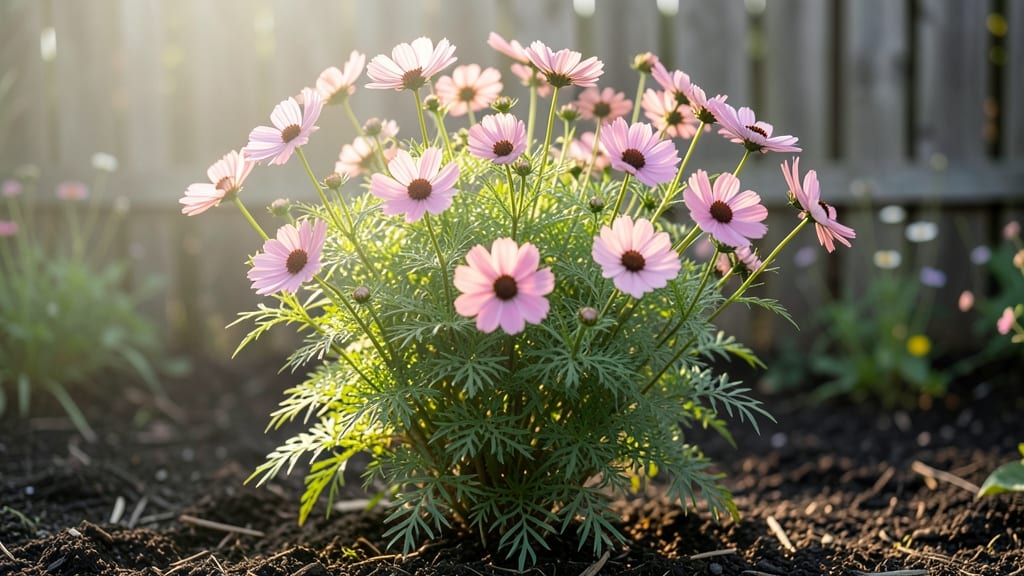
Cosmos flowers bloom from mid-summer through fall 🌸, turning gardens into sun-drenched canvases with minimal effort.
If you’ve ever dreamed of a garden bursting with vibrant, effortless blooms that thrive in the heat, cosmos flowers might be your perfect match—but timing is everything.
These cheerful annuals reward patience with long-lasting summer displays, but knowing exactly when they bloom can mean the difference between a few weeks of color and months of nonstop beauty.
For most gardeners in zones like 6a, planting cosmos in April or May after the last frost triggers blooms by July, with peak performance stretching into October.
The secret? Heat-loving cosmos need consistent warmth to set buds, so early spring starts often mean delayed first flowers—but the payoff is worth it.
Below, I’ll break down the month-by-month bloom schedule, how to choose the right varieties for your climate, and simple care tricks (like deadheading) to stretch those sunny displays until frost. Ready to turn your summer into a floral showstopper?
Cosmos bloom timeline: month-by-month heat-loving schedule
Timing your cosmos planting is the secret to unlocking their full potential. These sun-loving annuals thrive in warm conditions, but their bloom schedule depends heavily on when you plant them—whether in spring or fall.
In most USDA Zones 6-11, cosmos planted in late spring typically bloom from mid-July to October, while fall plantings can extend color into early winter in milder climates.
Your local climate plays a critical role. In hotter southern zones (8-11), cosmos may start blooming as early as June if planted in early spring, while northern gardeners (Zones 3-5) should wait until after the last frost—usually May or June—to avoid frost damage.
Even a few weeks difference in planting can shift your bloom timeline by 4-6 weeks.
| Planting Time | Typical Bloom Window | Best For Zones | Heat Tip |
|---|---|---|---|
| Early Spring (March-April) | June-September | 8-11 (Southern) | Plant when soil hits 60°F+ |
| Late Spring (May-June) | July-October | 3-11 (Universal) | Avoid frost-prone areas |
| Fall (August-September) | September-Frost | 4-10 (Mild Winters) | Plant 6-8 weeks before first frost |
| Year-Round (Tropical Zones 10-11) | Continuous (with gaps) | 10-11 | Succession plant every 2 months |
For spring plantings, aim to sow seeds when daytime temperatures consistently stay above 60°F (15°C). In Zone 6a, this typically means waiting until mid-May. If you plant too early, seedlings may struggle in cool soil, delaying blooms by 3-4 weeks.
I’ve found that starting seeds indoors 4-6 weeks before the last frost gives them a head start, but cosmos actually prefer direct sowing—they germinate faster in warm soil.
In hotter climates (Zones 8-11), cosmos planted in early spring may bolt quickly, producing flowers by June. To extend their season, try a second planting in late summer (August-September) for a fall display.
This works beautifully in Zone 9 where I garden—my ‘Bright Lights’ cosmos planted in early August bloomed until November!
If you’re in a cooler zone (3-5), focus on late spring plantings after May 15th. These cosmos will bloom from mid-July to frost, giving you a 3-month show.
For extra insurance, choose dwarf varieties like ‘Purity’—they handle cooler nights better than tall types. Always mulch heavily to protect roots from temperature swings.
Did you know you can trick cosmos into reblooming? After the first flush of flowers fades, simply deadhead spent blooms (snip stems just above a set of leaves). This removes the seed heads, signaling the plant to produce new flowers instead.
I’ve seen cosmos continue blooming for up to 5 months with regular deadheading—far longer than their typical 3-4 month window!
Watering plays a surprising role in bloom timing. While cosmos are drought-tolerant once established, they need consistent moisture during germination (first 2-3 weeks). If soil dries out too quickly, seedlings may stunt or fail, delaying blooms.
Aim for 1 inch of water per week during establishment, then reduce to every 10-14 days once flowers appear.
Pro tip: Succession planting is your secret weapon for nonstop cosmos color. Sow a new batch every 2-3 weeks from April to July. This staggered approach ensures you always have fresh blooms from June through October.
I’ve used this method in my Zone 7 garden to create a 6-month-long cosmos display—something I never thought possible!
Finally, don’t overlook fall plantings in mild climates. In Zones 7-10, cosmos sown in late summer (August-September) will often bloom until first frost. Choose heat-tolerant varieties like ‘Sensation’ or ‘Double Click’ for the best results. Just remember:
How to time your cosmos planting for maximum summer blooms
Timing your cosmos planting is the secret to unlocking months of effortless summer blooms. These heat-loving annuals thrive when planted at the right moment—typically 2-3 weeks after your last frost date in spring.
For cooler climates (Zones 3-5), you can even try a fall planting for late-season color, but let’s focus on the classic spring approach first. The key lies in balancing soil warmth and air temperatures to trigger rapid, continuous flowering.
Direct sowing cosmos seeds is my preferred method because they germinate quickly in warm soil—often within 7-14 days when temperatures exceed 60°F (15°C). If you’re using transplants, aim to plant them when nighttime temperatures stay above 50°F (10°C) to avoid stunted growth.
The earlier you plant, the sooner you’ll enjoy those iconic daisy-like blooms, but rushing can lead to leggy, weak stems. Let’s break down the exact steps to maximize your summer display.
🌱 Critical Planting Timeline for Cosmos Blooms
- Soil Temp Check: Wait until soil reaches 60°F (15°C)—use a soil thermometer for accuracy.
- Spring Planting: Sow seeds 2-3 weeks after last frost (typically April-May in most regions).
- Germination: Expect sprouts in 7-14 days with consistent moisture.
- First Blooms: Ready by 60-75 days after planting (usually June-July).
- Peak Season: Continuous blooms from July through October with proper deadheading.
- Fall Option: For Zones 7-10, try late summer sowing (August-September) for fall color.
One common mistake gardeners make is planting cosmos too early. When soil is still cool, seeds may rot or take weeks to germinate. I’ve learned the hard way—patience pays off! Test your soil temperature with a simple thermometer (they’re cheap and worth it).
If it’s below 60°F (15°C), wait a few more days. Warm soil is non-negotiable for happy cosmos roots and robust stems that support those 3-4 inch blooms.
Once your cosmos are established, the real magic happens with deadheading. This simple task—pinching off spent blooms—triggers your plants to produce more flowers for weeks longer. I make it a habit to deadhead every 3-5 days during peak bloom season (July-September).
Use clean pruners or just pinch with your fingers. The goal is to remove the flower head just above a set of leaves, encouraging bushier growth and nonstop color.
For extended blooming, consider succession planting every 2-3 weeks through early summer. This staggered approach ensures you’ll have fresh cosmos flowers from June through October. In my Zone 7 garden, I’ve had cosmos blooming until the first hard frost in November!
The trick is to keep the soil lightly moist but well-drained—cosmos hate soggy roots. Mulch around the base with straw to retain moisture and suppress weeds, which will stress your plants.
Don’t overlook the power of full sun exposure. Cosmos need 6+ hours of direct sunlight daily to produce their best blooms. If your garden gets afternoon shade, choose dwarf varieties like ‘Bright Lights’ or ‘Purity’—they’ll still thrive with 4-5 hours of sun.
In hotter climates (Zones 8-10), provide afternoon shade during peak summer to prevent wilting, but keep those morning sun rays coming.