
Blooming
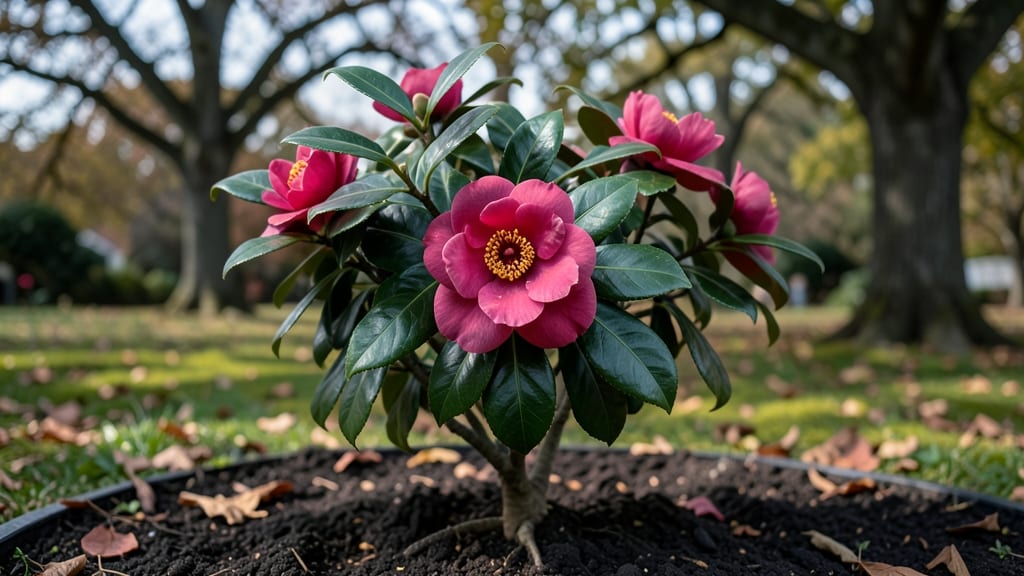
What flowers bloom in winter in Florida bring vibrant color when most gardens are dormant, thriving in the state’s mild climate.
While others shiver through chilly nights, Florida’s hardy blooms like camellias and jasmine burst into life, turning winter into a season of beauty. This isn’t just about pretty petals—it’s about extending your garden’s life cycle when most plants take a break.
From frost-resistant varieties in the Panhandle to drought-tolerant picks in South Florida, these flowers adapt to the state’s unique microclimates. Whether you’re in Jacksonville’s cooler winters or Miami’s brief cool spells, there’s a bloom that fits your zone.
Discover the top 10 cold-resistant flowers that keep your garden lively, learn how to care for them through Florida’s winter quirks, and find the perfect match for your region. Your winter garden can be just as stunning as the rest of the year!
Top 10 cold-resistant winter-blooming flowers for Florida gardens
Florida’s winters may only dip into the 40s and 50s, but that’s perfect for cold-hardy flowers that bloom when most gardens nap. These winter-blooming beauties thrive in 30-50°F temperatures, offering vibrant color from December through March.
Whether you’re in North Florida’s cooler zones or South Florida’s brief chill, these picks deliver year-round interest.
I’ve handpicked 10 frost-resistant flowers that flourish in Florida’s USDA Zones 8-10, focusing on low-maintenance varieties with long bloom seasons. From fragrant camellias to drought-tolerant salvias, these plants prove winter gardening can be just as rewarding as summer blooms.
Let’s dive into the top performers that’ll keep your garden lively when others are dormant.
Here’s a quick at-a-glance guide to help you choose the best winter-blooming flowers for your Florida landscape:
Let’s start with camellias, the queens of winter blooms in Florida. These evergreen shrubs produce showy, long-lasting flowers from December through April, thriving in partial shade. I love planting them near patios or entryways where their fragrant blooms can be enjoyed up close.
Just remember: acidic soil is a must for camellias—amend your soil with peat moss if needed.
For low-maintenance color, Mexican bush salvia is a game-changer. This drought-tolerant perennial bursts with red, pink, or purple flowers
How to extend winter blooms: planting and care tips for Florida’s cool season
Florida’s winter months offer a golden opportunity to extend your garden’s beauty—with the right approach, your flowers can thrive even when temperatures dip. The key lies in understanding your plants’ cool-season needs and adjusting care routines to match Florida’s mild but variable climate.
Unlike northern gardens, Florida’s winters rarely drop below freezing, but light frosts can still stress delicate blooms.
To maximize winter blooms, focus on three critical areas: soil preparation, watering strategies, and protective measures against unexpected cold snaps. I’ve learned through trial and error that even hardy plants like camellias and jasmine benefit from a little extra TLC during these transitional months.
Let’s break down the actionable steps to keep your winter garden vibrant.
- 1
- 2
- 3
- 4
- 5
One of my favorite tricks for extending winter blooms is mulching. Apply a 2-3 inch layer of organic mulch (like pine straw or shredded leaves) around your plants to insulate roots and retain moisture.
This simple step can make the difference between wilted petals and prolonged blooms during Florida’s unpredictable winter weather.
For container-grown flowers, move pots closer to south-facing walls or under patio covers during cold snaps. Grouping containers together creates a microclimate that traps heat, protecting roots from temperature swings. I’ve seen petunias and geraniums survive 28°F nights with this method!
Don’t forget to monitor your garden’s microclimates. Shady spots near trees or north-facing beds stay cooler longer, while sun-exposed areas may warm up faster. Adjust watering and protective measures accordingly—overwatering in cold soil can suffocate roots just as much as frost damage.
With these strategies, you can transform Florida’s winter into a gardeners’ paradise, where colorful blooms outshine even the summer heat. Start small with 1-2 cold-hardy varieties, then expand as you master the techniques—your winter garden will thank you! 🌷