
Flowers
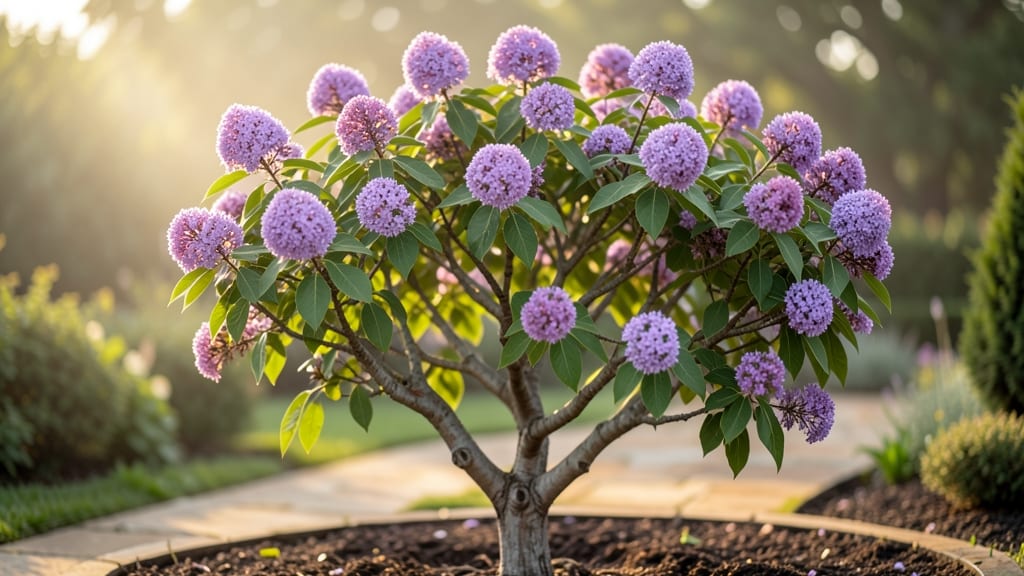
A tree with little purple flowers like the fragrant 🌸 lilac bush can transform any garden into a springtime paradise—but only if you plant it right.
Picture this: clusters of delicate lavender blooms filling the air with their signature sweet scent, bees buzzing happily from branch to branch, and a shrub that thrives for decades with minimal fuss.
That’s the magic of a well-cared-for lilac, yet many gardeners miss the mark by planting it in the wrong spot or neglecting its needs.
Lilacs love full sun and well-drained soil, making them perfect for USDA Zone 6a gardens where they bloom reliably in March and April.
Whether you’re adding one as a fragrant focal point or lining a border, their compact size (8–15 feet at maturity) makes them versatile for small yards too.
In this guide, you’ll learn how to plant, prune, and protect your lilac so it bursts with purple blooms year after year—plus, the 10 mistakes that kill flowering and how to fix them.
Identifying and planting lilac trees with tiny purple flowers
Spotting a tree with little purple flowers doesn’t always mean you’ve found a true lilac bush (Syringa spp.). Many plants mimic lilacs, like mock orange or wisteria, but only lilacs offer that signature fragrant purple bloom and heart-shaped leaves.
Learning to distinguish them ensures you plant the right shrub for your garden’s spring fragrance and summer color goals.
The true lilac thrives in USDA zones 3-7, making it perfect for northern climates. Its tiny purple flowers cluster in dense panicles, releasing a sweet, intoxicating scent that draws pollinators.
But before you plant, confirm it’s not a false lilac (like weigela or deutzia), which lack the same intense fragrance and woody stems.
🌸 Key ID Tips:
- Leaves: Opposite, simple, 1–4 inches long
- Flowers: Tiny purple blooms in dense clusters (panicles)
- Stems: Brown, woody with peeling bark
- Scent: Sweet, strong fragrance (unlike wisteria’s milder aroma)
| Feature | True Lilac (Syringa spp.) | Lookalikes (Weigela, Wisteria) |
|---|---|---|
| Flower Color | Purple, lavender, or white | Pink, red, or yellow |
| Fragrance | Strong, sweet scent | Mild or none |
| Leaf Shape | Opposite, heart-shaped | Alternate or simple |
| Growth Habit | Multi-stemmed shrub | Vining (wisteria) or single-stemmed |
| Best Planting Time | Late fall or early spring | Spring or fall (varies) |
Once confirmed, plant your lilac bush in well-draining soil with full sun exposure (6+ hours daily). Avoid shady spots or waterlogged areas, as these cause root rot and fewer blooms.
Amend heavy clay soil with compost or sand to improve drainage—this is critical for root health and flower production.
For maximum blooms, time your planting in early spring (March-April) or late fall (October-November). This gives roots time to establish before summer heat or winter frost.
Dig a hole twice as wide as the root ball but no deeper, then backfill with native soil mixed with organic matter. Water deeply to eliminate air pockets.
Lilacs prefer slightly alkaline soil (pH 6.5–7.5). Test your soil’s pH before planting—if it’s too acidic, add lime to adjust. Mulch around the base with wood chips or straw to retain moisture and suppress weeds.
Keep mulch 2–3 inches thick but avoid piling it against the trunk to prevent rot.
After planting, water deeply once a week for the first year to encourage root growth. Once established, lilacs are drought-tolerant but still need occasional deep watering during dry spells.
Overwatering is worse than underwatering—yellow leaves or drooping branches signal too much moisture. Adjust your watering schedule based on rainfall and temperature.
Choose a sunny, open location away from large trees that compete for nutrients. Lilacs grow 8–15 feet tall and wide, so space them 8–10 feet apart for proper airflow. Poor circulation invites powdery mildew or borer pests, which can stunt growth or kill branches.
Prune in late spring to shape the bush and remove old wood—this boosts next year’s blooms.
Pro tip: Pair lilacs with complementary plants like peonies (for height contrast) or lavender (for fragrance harmony). Their spring blooms align perfectly, creating a low-maintenance, high-impact garden display. With the right care, your lilac will reward you with decades of purple perfection.
Pruning and caring for lilac bushes to ensure purple flower abundance
Lilac bushes (Syringa spp.) reward gardeners with fragrant purple blooms every spring—but only if you follow a consistent care routine. Proper pruning timing and watering schedules are the secrets to keeping your lilacs thriving for decades.
Unlike many shrubs, lilacs bloom on old wood, so aggressive pruning at the wrong time can leave you with no flowers.
First, identify your lilac variety—some bloom early (March-April), while others wait until May. This affects your pruning schedule. For example, French lilacs burst into bloom earlier than Korean lilacs.
Understanding these differences ensures you don’t accidentally prune off next year’s flowers. Always prune right after flowering to give the plant time to set buds for the following season.
- 🌱 Step 1: Prune Immediately After Blooming
Use clean, sharp pruners to remove dead or crossing branches. Cut back to an outward-facing bud to encourage an open growth habit. - 💧 Step 2: Water Deeply (But Not Too Often)
Established lilacs need 1–2 gallons per week during dry spells. Water at the base of the plant in the morning to prevent fungal diseases. - ✂️ Step 3: Lightly Fertilize in Early Spring
Apply a balanced 10-10-10 fertilizer (1 cup per 10 sq ft) after pruning. Avoid high-nitrogen fertilizers—they promote leafy growth at the expense of flowers. - 🌡️ Step 4: Protect from Winter Damage
Mulch around the base with 3–4 inches of organic mulch (like wood chips) in late fall. Wrap young lilacs in burlap if your winters drop below 10°F. - ☀️ Step 5: Ensure Full Sun Exposure
Lilacs need 6+ hours of direct sunlight daily. If planted in partial shade, expect fewer blooms and leggy growth.
One of the most common mistakes is pruning lilacs in late summer or fall, which removes next year’s flower buds. Always wait until after the blooms fade (usually June for most varieties).
If you notice overcrowded branches, thin them out by removing 1/3 of the oldest stems at the base—this rejuvenates the bush and promotes stronger flowering.
For fertilization, focus on early spring (March) when new growth begins. A light application of compost around the base also improves soil health without risking root burn. Avoid fertilizing in summer or fall, as this can stimulate tender growth that won’t survive winter.
In USDA Zones 3–7, lilacs are hardy, but young plants benefit from winter protection. Use a thick layer of mulch (like straw or shredded leaves) to insulate roots. In Zone 8 and above, lilacs may need afternoon shade during extreme heat to prevent stress.
Regularly check for aphids or borers, which can weaken the plant—spray with neem oil if needed.
With the right care, your lilac bush can live for 50+ years while producing abundant purple blooms year after year. The key is patience and consistency—skip the heavy-handed pruning, stick to the watering schedule, and your lilac will reward you with fragrant, show-stopping flowers every spring. 🌷