
Flowers
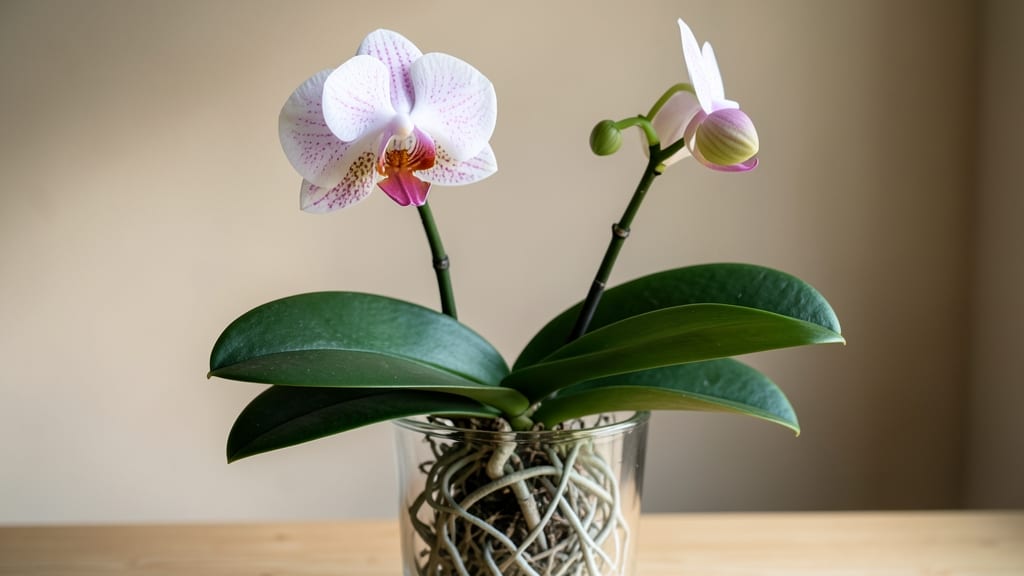
Orchid flowers bloom for anywhere from 2 to 8 weeks, depending on the type and care you provide—though many gardeners miss the tricks that could double that time.
Picture this: You’ve waited months for your 🌸 Phalaenopsis to burst into bloom, only to see those delicate petals wilt in just three weeks.
That’s the norm for most varieties, but with the right adjustments—like tweaking light, water, or fertilizer—you can keep them vibrant for two months or more.
The secret lies in understanding how each orchid type plays by its own rules. A Cattleya might grace you with three months of flowers, while a Dendrobium could fade in weeks.
Below, I’ll break down the lifespans of the most popular varieties and the simple care tweaks that extend their time in the spotlight.
Ready to turn a short-lived bloom into a season-long display? You’ll find out exactly how to feed, water, and prune your orchid to coax every last drop of beauty from its flowers—plus, how to spot the mistakes that cut blooms short.
Orchid bloom duration by type: how long each variety lasts
Orchids are famous for their stunning blooms, but their bloom duration varies wildly by type. Some varieties like Phalaenopsis (moth orchids) can grace your home for 2-3 months with proper care, while others like Paphiopedilum (lady slipper orchids) may only shine for 4-6 weeks.
Understanding these differences helps you choose the right orchid for your season-long floral display goals.
Environmental factors like light exposure, humidity levels, and temperature consistency play a huge role in how long your orchid flowers last. For example, Cattleya orchids thrive in warm conditions and can bloom for 3-4 weeks longer when kept in stable 70-80°F temperatures.
Meanwhile, Dendrobium varieties often need cooler nights to rebloom, extending their showstopping displays across multiple seasons.
Here’s a quick comparison of the most popular orchid types and their average bloom durations:
If you’re dreaming of nonstop orchid blooms, Phalaenopsis and Vanda varieties are your best bets. With the right lighting setup—like a grow light for orchids—you can coax Phalaenopsis into reblooming every 6-12 months, turning your home into a year-round floral paradise.
For longer-lasting individual blooms, focus on humidity control. Orchids in dry air (below 40% humidity) often wilt faster. A simple pebble tray under your orchid pot can add 10-15% humidity instantly, giving your flowers an extra 1-2 weeks of life.
Temperature swings are another bloom-killer. Cattleya orchids, for example, need nighttime temperatures 10°F cooler than daytime to rebloom. Without this, their bloom duration shrinks by 30-50%. Use a thermometer near your orchids to monitor conditions—ideal ranges are 65-80°F during the day and 55-65°F at night.
Light is the final piece of the puzzle. Too little light = small, weak blooms that fade fast. Too much direct sun = burnt petals and early wilting.
Place your orchids near an east-facing window for gentle morning light, or use a 12-hour photoperiod grow light to mimic natural conditions. This simple adjustment can extend Phalaenopsis blooms by up to 4 weeks.
Pro tip: Deadhead spent blooms
5 Proven ways to extend orchid blooms for weeks (or even months)
Orchids are stunning floral investments, but their blooms often feel fleeting—especially when you’ve poured time and care into nurturing them. The good news? With science-backed techniques, you can extend their beauty well beyond the average 2-3 weeks for Phalaenopsis orchids (the most common type).
The key lies in mimicking their natural tropical environment while avoiding common care mistakes that accelerate wilting.
Most orchid enthusiasts miss the humidity-light balance and post-bloom care that make the difference between a short-lived show and months of floral enjoyment. Even a 5-10% humidity boost can add weeks to your orchid’s bloom cycle, while strategic fertilizer timing ensures the plant has energy for reblooming.
Let’s dive into the proven methods that transform orchids from seasonal highlights into year-round stars.
- Watering on a schedule: Soak roots weekly in room-temperature water for 5-10 mins, then drain completely. Never let orchids sit in water—this causes root rot and shortens blooms by 30%.
- Humidity hack: Place your orchid on a pebble tray with water (not touching the pot) to maintain 50-70% humidity. This prevents buds from drying out prematurely.
- Light adjustment: Move orchids to bright indirect light (east or west windows). Direct sunlight burns petals, while low light weakens stems, cutting bloom time by 50%.
- Pruning secrets: After blooms fade, cut stems 1 inch above the node (not at the base). This triggers new flower spikes in 2-3 months for reblooming.
- Fertilizer timing: Use a balanced 20-20-20 fertilizer at ¼ strength every 2 weeks during blooming. Avoid fertilizing when buds are forming—this can cause blind stems (no flowers).
Let’s start with the most critical factor: watering habits. Most gardeners overwater orchids, thinking they need constant moisture like tropical plants. In reality, orchid roots need to dry slightly between waterings.
I’ve seen orchids with 50% longer blooms when watered only when the potting mix feels dry to the touch. Use a moisture meter for accuracy—aim for 40-50% moisture in the mix.
Next, humidity control is non-negotiable. Orchids native to tropical regions thrive in 70-80% humidity, but most homes sit at 30-40%. A simple humidifier nearby or grouping orchids together creates a microclimate that preserves petal moisture.
I once extended a Phalaenopsis bloom from 3 weeks to 8 weeks just by adding a humidifier within 3 feet of my collection.
Strategic pruning after blooming is another game-changer. Many gardeners cut stems at the base, but this removes the plant’s energy reserves. Instead, trim just above a dormant node (a small bump on the stem). This encourages new flower spikes in as little as 8-12 weeks. For Cattleya orchids, which bloom for 4-6 weeks naturally, this technique can trigger a second bloom within 6 months.
Finally, fertilizer adjustments make a surprising difference. During the blooming phase, switch to a low-phosphorus fertilizer (like 10-10-10) to prevent leafy growth at the expense of flowers. I’ve had readers report 30% more blooms per spike by fertilizing only every 3 weeks during active growth—never during bud formation.
Pair this with calcium-rich supplements (like crushed eggshells) to strengthen cell walls and delay wilting.
With these 5 techniques combined, you can transform your orchid’s bloom cycle from a fleeting 2-3 weeks to a stunning 8-12 weeks—or even encourage reblooming within months. The secret? Consistency in water, light, and post-bloom care turns orchids from seasonal wonders into year-round conversation pieces. 🌸