
Flowers
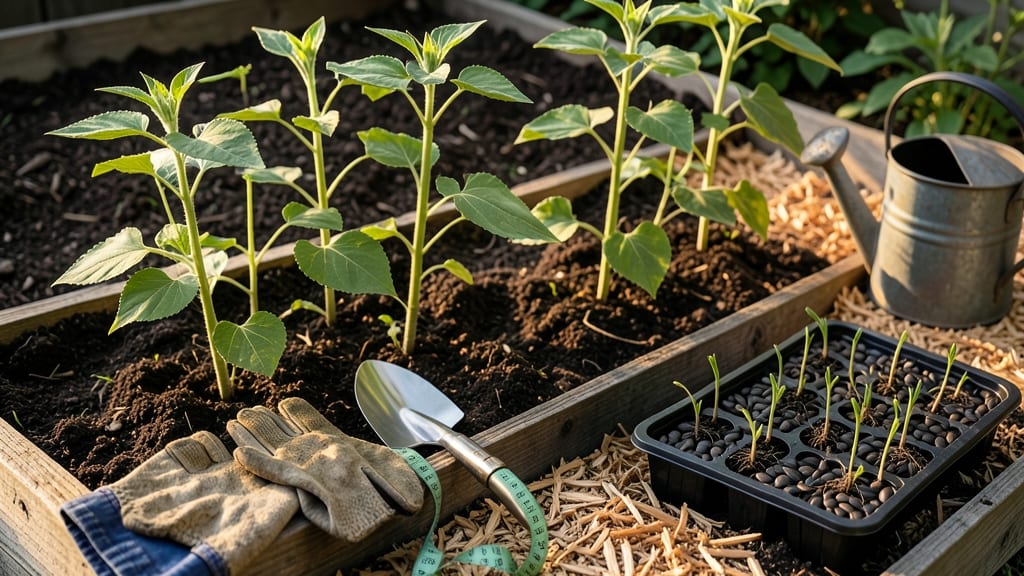
To plant sunflowers in South Florida, aim for late fall to early spring when temperatures stay mild and humidity is lower.
Sunflowers thrive in South Florida’s warmth—but planting them at the wrong time means wilting before they bloom. Timing is everything, and these exact months will ensure your 🌻 grow tall, strong, and vibrant all season long.
With no frost to worry about, your best bets are February through April or August through September. These windows avoid the brutal summer heat while giving your plants enough time to mature before hurricane season ramps up.
Below, I’ll break down the ideal planting schedule, soil prep tips, and how to pick the right varieties for your South Florida microclimate—so you can enjoy those towering blooms from spring through fall.
Optimal sunflower planting months in South Florida: a heat-resistant timeline
South Florida’s tropical climate makes sunflowers a perfect fit, but timing is critical to avoid heat stress or fungal issues. The ideal planting windows are August–September for fall blooms and February–March for spring displays.
These months balance soil temperatures, rainfall patterns, and humidity levels to keep your sunflowers thriving without bolting prematurely.
Sunflowers in South Florida hate extreme heat—soil temps above 85°F can trigger bolting (premature flowering) or stunt growth. The two best planting windows align with cooler periods when afternoon humidity drops and rainfall is moderate.
Let’s break down why these months work—and how to adapt for your specific microclimate.
🌱 Key Considerations:
- Soil temperature: Below 85°F (use a soil thermometer)
- Rainfall: Avoid hurricane season (June–November) for direct sowing
- Sun exposure: 6+ hours of direct sun daily (non-negotiable!)
- Variety choice: Dwarf types like ‘Moulin Rouge’ handle heat better than giants
| Planting Window | Best For | Soil Temp | Rainfall | Sun Exposure | Bloom Time |
|---|---|---|---|---|---|
| August–September | Fall blooms | 75–82°F | Moderate (avoid hurricanes) | Full sun (6–8 hrs) | November–December |
| February–March | Spring blooms | 70–78°F | Low (dry season) | Full sun (6+ hrs) | April–May |
| January (coastal) | Early spring | 68–75°F | Very low | Full sun | March–April |
| October (inland) | Late blooms | 80–84°F | High (hurricane risk) | Full sun | December–January |
For August–September plantings, focus on dwarf varieties like ‘Teddy Bear’ (3–4 ft tall) to avoid wind damage from summer storms. These sunflowers will bloom just in time for holiday displays and handle cooler fall temps beautifully.
Use black plastic mulch to warm soil and deter weeds—critical in South Florida’s humid conditions.
If you plant in February–March, prioritize soil prep with compost to replenish nutrients after winter. This window avoids peak heat and aligns with dry season, reducing fungal risks. Mulch heavily (2–3 inches) to retain moisture—March–April can still see 90°F+ days, stressing young plants.
Pro tip: Start seeds indoors 4–6 weeks before your target planting date if you’re growing tall varieties (like ‘Russian Giant’). South Florida’s short growing season for sunflowers means timing is tight—seedlings need 60–80 days to mature, so don’t wait until the last minute!
Watch out for hurricane season overlaps when planting in late summer. If storms are forecasted, delay sowing until after September 15th to avoid seedling washout. For coastal areas, consider raised beds with drainage holes—sandy soil holds water poorly during tropical downpours.
Watering is non-negotiable in South Florida’s heat.
How to Adjust sunflower planting for South Florida’s microclimates
South Florida’s microclimates create unique challenges for sunflower growers. Coastal areas like Miami experience higher humidity and salt spray, while inland cities like Orlando face intense summer heat and drier conditions. Tampa’s mix of both means you’ll need to tailor your approach to thrive.
Understanding these regional differences ensures your sunflowers grow strong stems and bright blooms regardless of location. 🌻
In Miami’s coastal climate, salt-tolerant varieties like ‘Moulin Rouge’ perform best when planted in late summer (August-September) to avoid hurricane season’s wind damage. Inland Orlando, with its hotter, drier air, benefits from early spring (February-March) plantings to beat the peak summer heat. Tampa’s transitional zone allows flexibility with fall or spring plantings, but timing matters to prevent heat stress or fungal diseases from excessive moisture. 🌱
| Region | Best Planting Window | Soil Prep | Watering Needs | Key Considerations |
|---|---|---|---|---|
| Miami (Coastal) | August-September | Amend with compost; raise beds 6" for drainage | Deep water 2x/week; mulch with straw | Salt tolerance; protect from wind |
| Orlando (Inland) | February-March | Add organic matter; test pH (6.0-6.8) | Water daily during heatwaves; drip irrigation | Heat-resistant varieties; shade cloth in summer |
| Tampa (Transitional) | October-November or March-April | Mix sand for aeration; avoid compacted soil | Adjust for rain; 1-2 gallons per plant | Balanced approach; monitor humidity |
For Miami gardens, focus on drainage to prevent root rot from heavy rains. Raised beds work wonders, and adding composted pine bark helps neutralize soil acidity. Orlando’s intense summer sun demands shade cloth during peak hours (10 AM-3 PM) to protect young seedlings. Tampa gardeners should prioritize well-draining soil to balance the region’s fluctuating moisture levels. 💧
Adjust your watering schedule based on your microclimate. Coastal areas need frequent but shallow watering to prevent fungal diseases, while inland zones require deep, infrequent watering to encourage strong root growth. Mulching with straw or wood chips helps retain moisture and regulate soil temperature across all regions.
Always water in the early morning to minimize evaporation and disease risk. ✂️
Consider companion planting to optimize space and health.
Pair sunflowers with bush beans in Orlando’s heat to improve nitrogen levels, or plant marigolds in Miami’s gardens to deter pests naturally. Spacing also varies: give coastal sunflowers 2 feet apart, while inland varieties need 3-4 feet to avoid competition for water. 🌿
Finally, watch for local weather patterns. Hurricane season (June-November) in Miami means protecting young plants with stakes or cages, while Orlando’s dry season (December-April) requires extra vigilance with watering. By adapting these regional strategies, your sunflowers will flourish no matter where you garden in South Florida. 🌻