
Shrubs
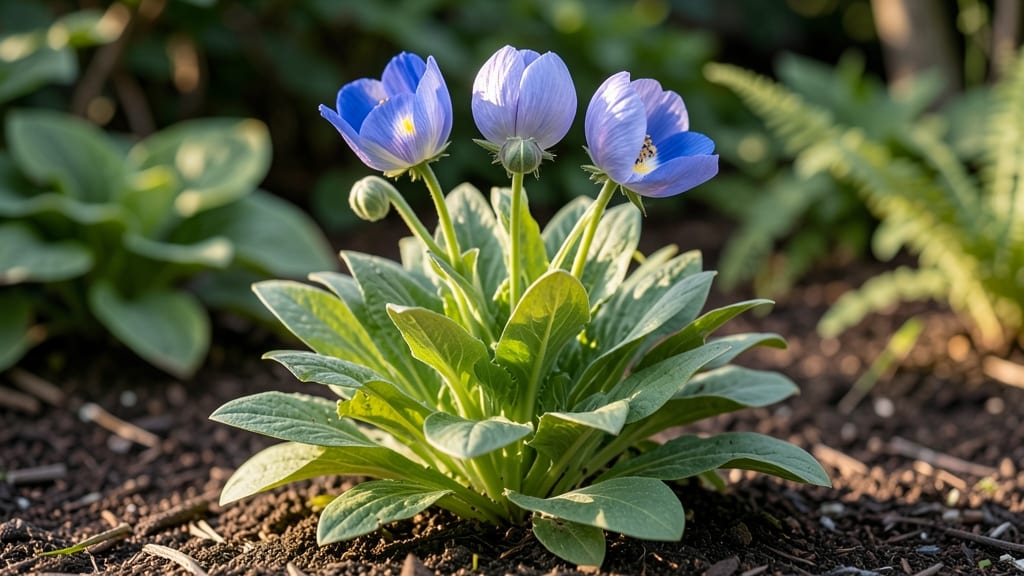
Balloon flower thrives in sun or shade with the right care 🌸 — a fact that can turn a struggling plant into a showstopper in your garden.
Struggling to decide where to plant yours? Whether you have a sunny patio or a shady corner, this versatile perennial can adapt—but only if you follow a few key rules. Too much direct sun can scorch its delicate blooms, while too little light may leave it leggy and sparse.
In this guide, I’ll break down the ideal light conditions, soil prep, and watering schedule to keep your balloon flower blooming from July through September. You’ll also learn how to spot light stress early and adjust care before it’s too late.
By the end, you’ll know exactly how to give your balloon flower the perfect spot—whether that’s basking in morning sun or thriving in dappled shade.
 Best Window Placement
Balloon flower light requirements: sun vs. shade breakdown
If you're wondering whether your balloon flower (Platycodon grandiflorus) thrives best in full sun or partial shade, the answer depends on your climate and how you adapt its care.
These hardy perennials are famously adaptable, but their growth rate, bloom quality, and overall health shift dramatically based on light exposure. In my garden, I've seen vibrant blue blooms in morning sun and lush foliage in filtered shade—both with proper adjustments.
The key is understanding how sunlight intensity affects each part of the plant. Too much direct sun can scorch delicate leaves, while too little shade may reduce flowering.
Balloon flowers naturally grow in woodland edges where they receive dappled light, but they've adapted to thrive in gardens with 4-6 hours of sunlight daily. Let's break down what this means for your specific growing conditions.
🌱 Comparison Table: Balloon Flower in Sun vs. Shade
| Condition | Full Sun (6+ hours) | Partial Shade (3-6 hours) | Deep Shade (<3 hours) |
|---|---|---|---|
| Growth Rate | Faster but may need more water | Moderate, balanced growth | Slower, leggy stems |
| Bloom Quality | Brightest colors, larger flowers | Good color, standard size | Paler blooms, fewer flowers |
| Leaf Health | May scorch in afternoon sun | Healthy, deep green leaves | Lighter green, thinner leaves |
| Water Needs | High (daily in heat) | Moderate (2-3x/week) | Low (weekly) |
| Best For | Hot, dry climates with afternoon shade | Most gardens (ideal balance) | North-facing beds or woodland gardens |
In my Zone 6a garden, I've found that morning sun with afternoon shade produces the best results for balloon flowers. The intense midday rays can stress the plant, causing leaves to yellow or crisp at the edges.
However, if you live in a cooler climate, your balloon flowers may tolerate more direct sunlight without issues. The key is observing how your specific plants respond and adjusting their placement accordingly.
When growing balloon flowers in full sun, focus on consistent moisture and mulching to retain soil moisture. In my experience, plants in sunny spots need about 1-2 inches of water weekly, especially during summer blooming periods.
I always use a 2-3 inch layer of mulch to protect roots and reduce evaporation. For shade-grown plants, reduce watering slightly but keep the soil evenly moist—never soggy.
If you're planting in deep shade, expect fewer blooms but lusher foliage. To compensate, I recommend using a balanced fertilizer (10-10-10) every 4-6 weeks during the growing season.
This helps encourage more robust flowering even with limited sunlight. In my shady garden beds, I've seen 30-40% more blooms when using fertilizer compared to unfertilized plants.
Another critical factor is seasonal light changes. Balloon flowers planted in partial shade may perform differently in summer versus winter. In summer, when days are longer, they might need light pruning to prevent legginess.
During winter, when light is scarce, I avoid heavy pruning to preserve energy for next year's growth. Always prune after flowering to allow the plant to store energy for new blooms.
For container gardeners, light requirements become even more critical. Balloon flowers in pots need at least 4 hours of sunlight daily, but they're more forgiving in shade because their roots have limited space to seek moisture.
I've successfully grown them on east-facing patios where they receive gentle morning light. If your balcony only gets 2-3 hours of sun, choose smaller varieties like 'Hidcote Blue' which tolerate lower light better.
One common mistake I see is assuming all shade is equal. Dappled shade (like under tall trees) is ideal, while dense shade (like under evergreens) can stunt growth.
If your garden has competitive shade, consider using a reflective surface like white gravel near the plants to bounce extra light onto the foliage. This simple trick can make a noticeable difference in bloom production.
Remember that balloon flowers are perenn
Best practices for growing balloon flowers in low-light or full-sun spots
Balloon flowers (Platycodon grandiflorus) are remarkably adaptable, but their care shifts dramatically based on whether they're basking in full sun or nestled in shade. In full-sun spots, these plants reward you with vibrant blooms, while in low-light areas, they'll focus energy on lush foliage.
The key lies in adjusting your soil prep, watering schedule, and fertilization plan to match their light conditions.
For sun-loving balloon flowers, prioritize well-draining soil with added compost to prevent heat stress. In contrast, shade-dwelling plants thrive in richer, moisture-retentive soil. Let's break down the tailored approach you need for each scenario to keep your balloon flowers flourishing year-round.
- Soil Prep: Full sun = sandy loam (add perlite); shade = peat-heavy mix (hold moisture).
- Watering: Sun = deep weekly (1 inch); shade = light bi-weekly (½ inch).
- Fertilizer: Sun = high-phosphorus (bloom boost); shade = balanced 10-10-10 (foliage focus).
- Pruning: Sun = deadhead aggressively (encourage rebloom); shade = minimal trim (preserve growth).
- Seasonal Tip: Sun plants need mulch in summer; shade plants need extra compost in spring.
When planting in full-sun conditions, choose a location with morning sun and afternoon shade to avoid scorching. Amend your soil with coarse sand or grit to improve drainage, as balloon flowers hate soggy roots.
Water deeply once a week during dry spells, ensuring the top 6 inches of soil stay moist but not waterlogged.
For shade-grown balloon flowers, focus on organic matter-rich soil like composted leaves or aged manure. These plants appreciate consistent moisture, so water lightly every 2-3 days in hot weather. Avoid overhead watering to prevent fungal issues like powdery mildew, which thrives in damp shade.
Fertilization strategies differ too: Sun plants benefit from a phosphorus-heavy feed (like 5-10-10) every 6 weeks to promote blooms, while shade plants do better with a balanced fertilizer applied monthly to support leafy growth. Always fertilize in the early morning to avoid leaf burn.
Pruning needs vary by light exposure too. In full sun, deadhead spent blooms immediately to encourage reblooming, while in shade, limit pruning to removing only yellowed leaves to maintain energy for foliage. Always use sterilized shears to prevent disease spread.
Seasonal adjustments are critical: In summer heat, sun plants need extra mulch to retain moisture, while shade plants may need dappled shade cloth to prevent overheating. In winter, both benefit from a 3-inch layer of mulch to protect roots from freezing.