
Flowers
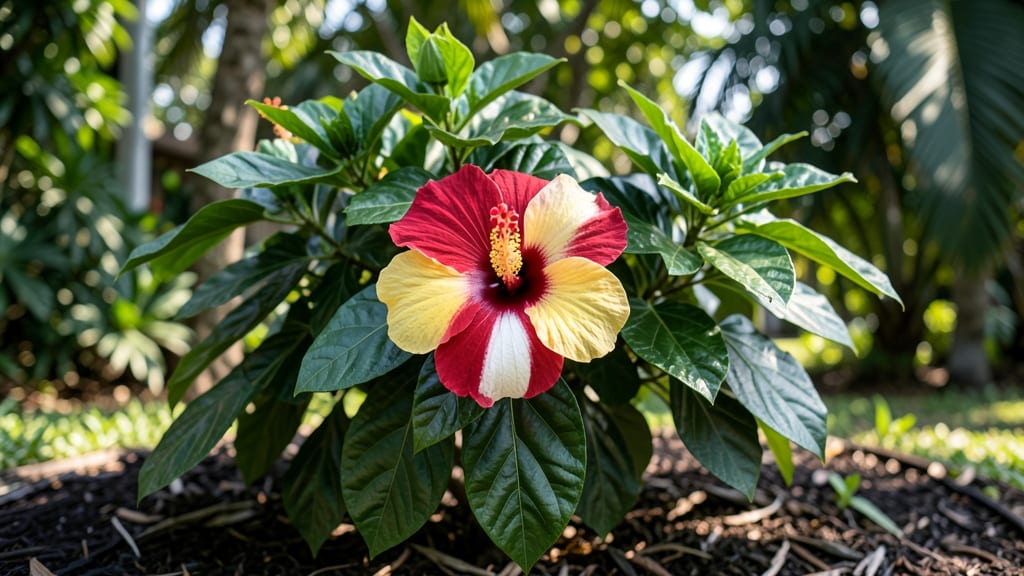
Growing the biggest hibiscus flower possible means chasing blooms that measure 12 inches wide or more—like dinner plates in your garden.
You’ve probably admired those jaw-dropping hibiscus blooms at the nursery and wondered, How do they get that big? The answer lies in the right variety, soil, and care—plus a few secrets most gardeners miss.
In this guide, I’ll walk you through the top hibiscus varieties known for their massive flowers, the soil and sunlight tricks that double bloom size, and the pruning schedule that keeps your plant producing giants all season.
Whether you’re in Zone 6 or a warmer climate, these tips will help you grow hibiscus flowers so bold they’ll make your neighbors ask, "What kind of magic did you use?"
Top 5 hibiscus varieties with flowers 12+ inches wide
If you're chasing showstopping hibiscus blooms that could double as table centerpieces, you need these giant-flowering varieties. These aren't your average hibiscus—they're the superstars of the garden, with petals spanning 12 inches or more.
Whether you're in a tropical paradise or a cooler climate, these varieties will deliver drama and color that lasts.
What makes these hibiscus varieties stand out? Their massive blooms aren't just about size—they're also longer-lasting and more disease-resistant than their smaller counterparts. Plus, their unique growth habits mean you can grow them as standalone specimens or privacy screens while still enjoying those jaw-dropping flowers.
Let's dive into the top 5 varieties that will make your garden the talk of the neighborhood.
The Hibiscus rosa-sinensis 'Giant Red' takes the crown for largest blooms, with petals reaching 14-18 inches across. This tropical beauty thrives in USDA zones 9-11 and loves full sun exposure to produce its deep red, velvety petals.
It's perfect for container gardening or as a spectacular focal point in warm climates. Just be prepared for its rapid growth—this shrub can reach 10 feet tall if left unpruned!
For gardeners in cooler climates (zones 5-9), Hibiscus syriacus 'Diana'
How to grow giant hibiscus: soil, sun, and care secrets
Giant hibiscus flowers aren’t just a dream—they’re achievable with the right soil conditions, sunlight exposure, and consistent care. The key to blooms 12 inches wide lies in mimicking their tropical origins while adapting to your climate.
I’ve grown Hibiscus rosa-sinensis varieties with dinner-plate-sized flowers, and these secrets will help you do the same.
Start with well-draining, nutrient-rich soil mixed with 50% compost and 20% aged manure. Hibiscus roots need oxygen, so avoid heavy clay. A pH between 6.1 and 6.5 ensures maximum nutrient uptake for those massive blooms. I always test my soil before planting—it’s the foundation for everything else.
⚠️ WARNING: Common Mistake with Giant Hibiscus Flowers Many gardeners overlook root competition when planting giant hibiscus. Crowding stunts growth and reduces bloom size. Space plants 6-8 feet apart to allow full access to sunlight and nutrients.
Overcrowding also increases humidity around foliage, creating ideal conditions for powdery mildew—a fungal disease that can devastate your blooms. Keep airflow circulating by pruning lower branches and avoiding dense mulch piles around the base. 🌿
Your hibiscus needs full sun exposure—at least 6-8 hours daily. I’ve seen blooms shrink by 30% when plants get only 4 hours of sunlight.
In hot climates, provide afternoon shade to prevent wilting, but never sacrifice morning sun. Morning sunlight fuels photosynthesis, which is critical for large flower development.
Watering giant hibiscus requires a balanced approach. Deep watering 2-3 times per week encourages strong root systems, but soggy soil leads to root rot. I use a drip irrigation system to deliver water at the base, avoiding wet foliage.
Mulching with wood chips retains moisture while preventing weeds from competing for nutrients.
Pruning is where most gardeners go wrong. Instead of cutting back after flowering, prune in early spring to encourage bushier growth. Remove dead or crossing branches first, then trim back 1/3 of the plant’s height.
This stimulates new growth and more flowering nodes. I also pinch back new shoots to promote thicker stems—essential for supporting those heavy giant blooms.
Fertilize with a balanced 10-10-10 formula every 4-6 weeks during growing season. In late summer, switch to a low-nitrogen, high-phosphorus fertilizer (like 5-10-10) to boost flowering. I’ve found that organic fish emulsion works wonders for vibrant colors. Always water after fertilizing to prevent root burn.
Watch for bud drop—a common issue when hibiscus don’t get enough water or nutrients. If you see buds falling before opening, increase watering slightly and apply a seaweed-based fertilizer for stress relief.
In cooler months, move potted hibiscus indoors or protect them with burlap wraps to prevent frost damage. With these care secrets, your giant hibiscus will reward you with showstopping blooms all season. ✂️