
Flowers
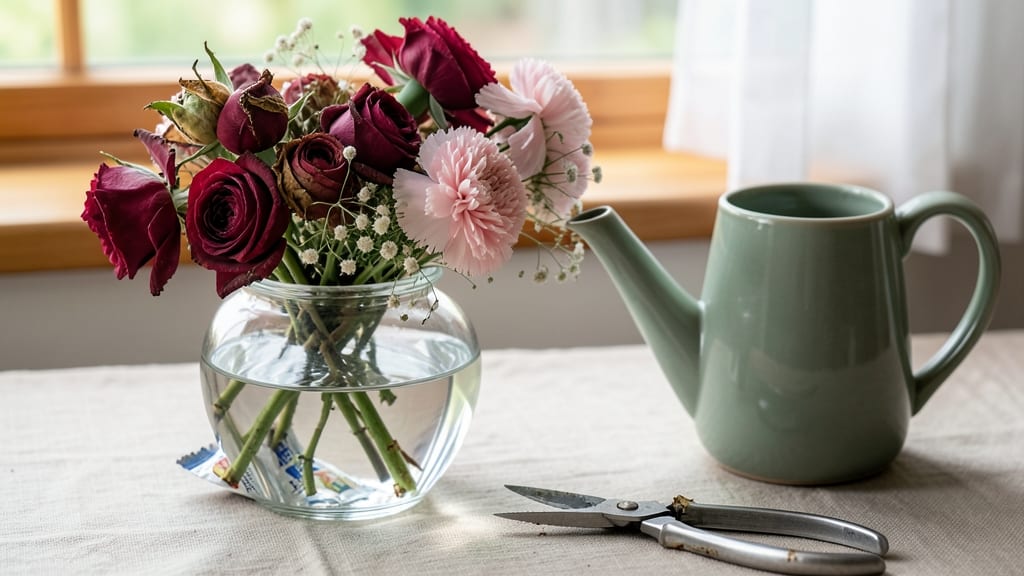
Bringing flowers back to life is easier than you think — even the most wilted blooms can perk up with the right care. 🌸
Picture this: you’ve just brought home a stunning bouquet, only to find the stems drooping by the next morning. Or maybe your beloved perennial flowers have lost their vibrancy after a heatwave.
These scenarios happen more often than you’d expect, but the good news? A few simple steps can revive them faster than you’d imagine.
Overwatering, underwatering, pests, or even just poor cutting techniques can leave flowers looking sad. The key is understanding what’s causing the issue and how to fix it—whether it’s trimming stems, adjusting water habits, or giving them a nutrient boost. With the right approach, you’ll have vibrant blooms in no time.
In this guide, I’ll walk you through three simple steps to bring your flowers back to life, plus long-term tips to keep them thriving. No green thumb required—just a little patience and know-how.
How to revive wilted flowers with water and pruning techniques
Seeing your favorite flowers droop can feel like the end of their life cycle, but with the right hydration techniques and pruning methods, you can often bring them back to full, vibrant beauty.
Whether your blooms are suffering from underwatering, clogged stems, or simply environmental stress, these steps will help restore their moisture and structural integrity. The key is acting quickly—wilting is often reversible if caught early!
Before diving into solutions, it’s important to identify the root cause. Overwatering can lead to mushy stems, while underwatering causes dry, brittle petals. Bacterial growth in vases or air bubbles in stems can also block water uptake.
By combining proper pruning with hydration boosters, you’ll give your flowers the best chance to perk back up and thrive for days longer.
Step-by-Step Revival Process
-
Step 1: Trim the Stems
Use clean, sharp scissors to cut 1-2 inches off each stem at a 45-degree angle. This creates a larger surface area for water absorption and removes any blocked or damaged areas. -
Step 2: Remove Leaves in Water
Strip off any lower leaves that would sit below the waterline. These can rot and introduce bacteria to your vase, shortening the flowers’ lifespan. -
Step 3: Clean the Vase
Rinse the vase with hot, soapy water to kill any existing bacteria or algae. A vinegar rinse (1:1 water and vinegar) works great for stubborn buildup. -
Step 4: Hydrate with Fresh Water
Fill the vase with lukewarm water (not cold) to encourage faster uptake. Avoid tap water if it’s chlorinated—let it sit out for 24 hours or use filtered water instead. -
Step 5: Add a Hydration Booster
Mix in 1 teaspoon of sugar (for energy) and 1/4 teaspoon of bleach or floral preservative (to prevent bacteria). For tropical flowers like orchids, use a pinch of citric acid instead of sugar. -
Step 6: Re-cut Stems Under Water
Hold stems under running water while trimming again to prevent air bubbles from blocking the stem’s pores. This ensures immediate hydration. -
Step 7: Place in a Cool Spot
Keep flowers away from direct sunlight, heat sources, or drafts. A cool room (around 65°F) will help them recover faster. -
Step 8: Change Water Daily
Replace the water every 24 hours to prevent bacterial growth. Trim stems again if they’ve grown longer than the vase.
For severely wilted flowers, like roses or peonies, you can try a revival soak. Place the stems in a bucket of lukewarm water with a floral preservative for 1-2 hours before arranging. This deep hydration can work wonders for extreme wilting caused by long transportation or heat stress.
If your flowers are houseplants (like peace lilies or ferns), the process is slightly different. Gently rinse the leaves with water to remove dust, then trim any brown or damaged foliage.
Repot if the soil is waterlogged or compacted, and place the plant in bright, indirect light while it recovers.
Remember, not all flowers respond the same way. Delicate blooms like tulips or daffodils may not revive as easily as hardy types like sunflowers or zinnias.
Always research the specific needs of your flowers—some thrive with high humidity, while others prefer drier conditions. Pay attention to their natural habitat for clues!
With these techniques, you’ll not only revive your wilted flowers but also extend their vase life by 3-5 days or more. The key is acting fast, keeping stems hydrated, and providing the right environment. Soon, your drooping blooms will be standing tall and proud again!
🌸Best solutions for reviving different types of flowers
Not all flowers respond the same way to revival techniques. Roses need gentle hydration and pruning, while orchids require humidity adjustments. Carnations tolerate underwatering better than tropical blooms like hibiscus. Understanding these differences ensures you revive flowers without causing further damage.
Start by identifying whether your flowers are hardy perennials or tropical varieties—this determines their care needs. For example, roses thrive with morning sunlight and regular pruning, whereas orchids prefer indirect light and high humidity.
Tropical flowers like orchids and ferns often wilt due to low humidity or sudden temperature drops. Place them in a humidity tray filled with pebbles and water, or mist their leaves daily. Hardy flowers such as dahlias or sunflowers recover quickly with proper hydration and a balanced fertilizer after revival. Always check the stem condition—if it’s mushy, trim it back to healthy tissue. For cut flowers, like carnations, recut stems at an angle and place them in cool water with flower food to extend their life.
Here’s a quick reference for reviving different flower types based on their needs:
| Flower Type | Revival Method | Special Notes |
|---|---|---|
| Roses | Trim stems, soak in lukewarm water with sugar + bleach, prune dead leaves | Needs full sun post-revival; avoid overwatering |
| Carnations | Recut stems, place in cool water with flower food, trim foliage | Tolerates drought better than roses; remove lower leaves |
| Orchids | Increase humidity, avoid direct sun, use room-temperature water | Never let roots dry out; mist leaves daily |
| Tropical Flowers (e.g., Hibiscus) | Use humidity tray, avoid cold drafts, trim wilted blooms | Needs 60%+ humidity; prune spent blooms immediately |
| Hardy Perennials (e.g., Dahlias) | Water deeply, add compost, prune dead stems | Thrives in well-draining soil; fertilize after revival |
For roses, combine pruning with a nutrient boost. After trimming stems at a 45-degree angle, soak them in a lukewarm water solution with 1 teaspoon of sugar and a few drops of bleach (to prevent bacteria).
Change the water daily and place them in indirect sunlight until they perk up. Carnations are more resilient—simply recut their stems and place them in cool water with flower food. Avoid direct sunlight initially, as it stresses revived blooms.
Orchids demand extra care. If their leaves feel dry or stems are limp, place the pot in a humidity tray or under a shower (without soaking the roots). Use room-temperature water and avoid letting them sit in standing water. For tropical flowers like hibiscus, ensure they’re in a warm, humid environment—a pebble tray with water beneath the pot works wonders. Prune any yellow or brown leaves immediately to redirect energy to revival.
Once your flowers show signs of revival—firm stems and perking petals—transition them to their permanent care routine. Roses need weekly deep watering, while orchids thrive with daily misting.
Always monitor for pests like aphids or spider mites, which can hinder recovery. With patience and the right approach, even the most wilted blooms can bounce back to full glory.
🌸