
Companion Plants
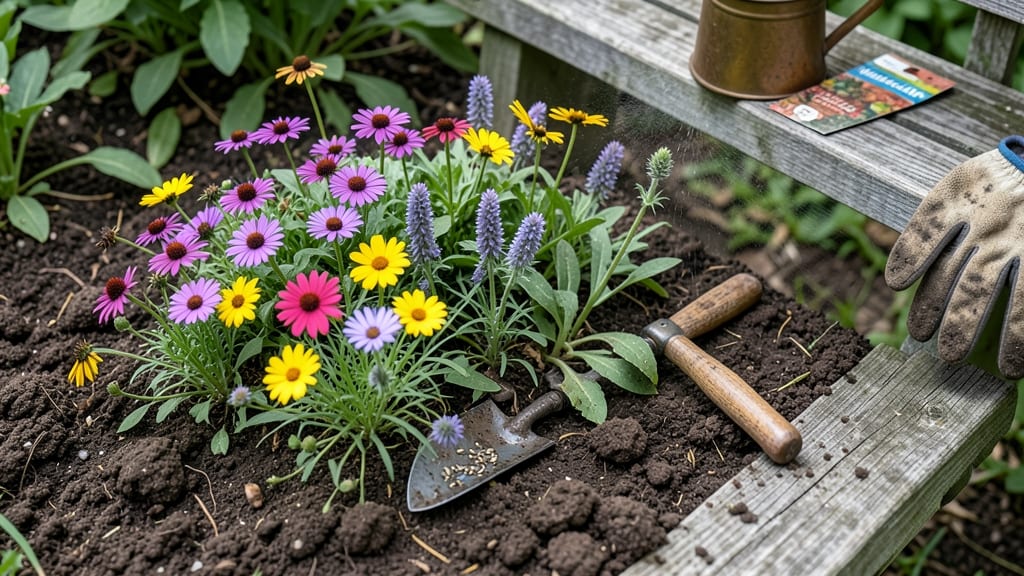
Planting wildflower seeds in June can still yield a stunning, pollinator-friendly garden with the right approach — even if it’s not the traditional spring window.
June might seem too late to start a wildflower meadow, but with fast-germinating varieties and smart techniques, you can set the stage for blooms as early as next spring. The key? Choosing heat-tolerant seeds and preparing the soil just right to beat the summer heat.
Wildflowers planted now take advantage of late-summer rains and cooler fall temperatures, giving them a head start before winter. Plus, you’ll attract bees and butterflies to your garden earlier than if you waited for spring.
Below, I’ll walk you through the best seed types for June planting, soil prep tips, and a watering schedule that ensures fast germination—so you’re not left with bare soil by autumn.


Best wildflower seed types for late June planting and their germination requirements
June planting might feel risky, but warm-season wildflowers thrive when soil temperatures rise above 60°F (15°C). The key is selecting fast-germinating annuals and heat-tolerant perennials that can establish roots before summer's end. Unlike spring-planted varieties, these species skip dormancy and germinate eagerly in warm, moist soil.
Native cosmos and zinnias are top performers, sprouting within 7-14 days when conditions are right. Even native grasses like little bluestem can establish quickly, providing both pollinator support and winter interest. The secret? Matching your climate zone to species that naturally bloom in late summer or fall.
Regional suitability matters more in June than in spring. In USDA Zones 5-8, focus on drought-tolerant annuals like black-eyed Susans or coreopsis. For cooler coastal areas (Zones 9-10), try sunflowers or marigolds, which handle humidity better. Always check seed packets for heat zone recommendations—some varieties specify "hot climate only."
Annuals like cosmos bipinnatus and zinnias germinate fastest (5-10 days) because they evolved to capitalize on summer's warmth. Perennials such as coneflowers or black-eyed Susans take 14-21 days but reward you with multi-year blooms.
The trade-off? Annuals give instant color, while perennials build root systems for future seasons.
Germination requirements shift dramatically in June. Most wildflower seeds need consistent moisture but not soggy soil. A light mulch layer (¼ inch) helps retain humidity while preventing crusting. For slow-to-sprout natives, pre-soak seeds for 12-24 hours or use a seed starter solution to jumpstart growth.
Here’s how soil temperature affects germination: Below 55°F (13°C), seeds stall; above 85°F (29°C), they may dry out. Use a soil thermometer to monitor—ideal June temps hover around 70-75°F (21-24°C). If your area hits 90°F+ (32°C+), plant in partial shade or late afternoon to reduce stress.
Drought tolerance is non-negotiable for June plantings. Once established, many wildflowers thrive on rainfall alone, but seedlings need daily watering for the first 2-3 weeks. Choose mixes labeled "drought-resistant" or "low-water" to minimize maintenance. Native grasses like switchgrass or Indian grass are excellent for xeric landscapes.
⚠️ Critical Tip: Avoid overcrowding seeds—thin seedlings to 6-12 inches apart once they reach 2 inches tall. This prevents fungal diseases and ensures each plant gets adequate sunlight. A light raking after planting improves seed-to-soil contact, which is especially important in hot, dry winds.
| Wildflower Type | Germination Time | Best For | Drought Tolerance | Sun Needs |
|---|---|---|---|---|
| Cosmos (Annual) | 5-10 days | Pollinators, cut flowers | High | Full sun |
| Zinnias (Annual) | 7-14 days | Butterflies, long bloom | Moderate | Full sun |
| Coneflowers (Perennial) | 14-21 days | Pollinators, deer-resistant | Very high | Full sun to partial shade |
| Black-eyed Susan (Perennial) | 10-18 days | Drought areas, meadows | High | Full sun |
Step-by-step June planting guide: soil prep, watering schedule, and sunlight optimizationJune might feel like a risky month for planting wildflower seeds, but with the right approach, you can still achieve a stunning meadow. The key lies in understanding your local climate, preparing moisture-retaining soil, and protecting young seedlings from intense afternoon heat. Many wildflowers, like cosmos and black-eyed Susans, thrive when planted in late summer because they germinate quickly in warm soil and establish strong roots before winter. Before you begin, check your soil temperature—it should be at least 60°F (15°C) for most wildflower seeds to germinate. If your soil is cooler, consider using a black plastic mulch to warm it up. Also, choose seeds labeled for late-summer planting, as they’re often pre-treated to break dormancy. This ensures faster sprouting and better survival rates in June’s challenging conditions. 🌱 Step-by-Step June Planting Guide
After planting, focus on consistent moisture rather than heavy watering. Wildflowers are drought-tolerant once established, but young seedlings need regular hydration to survive June’s heat. Water in the early morning to reduce evaporation and fungal risks. If your area experiences high temperatures (above 90°F/32°C), provide temporary shade with shade cloth until seedlings are stronger. Protect your new wildflowers from bird and squirrel raids by covering the area with bird netting until seeds germinate. Once sprouts appear, remove the netting to allow pollinators like bees and butterflies to visit. With proper care, your June-planted wildflowers will reward you with colorful blooms by next spring and attract beneficial insects all season long. Remember, the key to success in June planting is patience and preparation. While germination may take 2-4 weeks in warm soil, the effort pays off with a low-maintenance, pollinator-friendly garden that thrives with minimal intervention. Happy planting! 🌿 |