
Planting
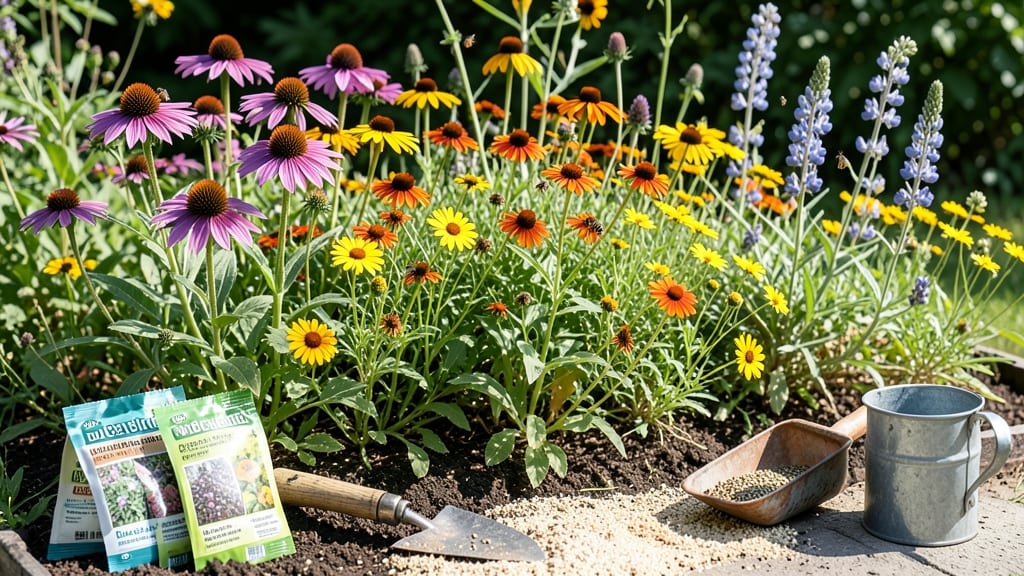
Planting native wildflower seeds at the right time ensures vibrant blooms from spring to fall 🌼 — and missing the window can mean sparse flowers or no growth at all.
Timing is everything when planting native wildflowers—plant too early, and frost may kill delicate seedlings; too late, and you’ll miss the prime growing window. Follow this USDA zone guide to ensure vibrant blooms from spring to fall.
In USDA Zone 6a, like many temperate regions, late winter to early spring (March–April) is ideal for most species, but fall planting (August–September) works too. The key is aligning seed drops with soil temperatures and rainfall patterns.
Below, I break down the best months by region, soil prep tips, and how to adjust for late frosts or drought. You’ll learn how to maximize blooms, support pollinators, and avoid common mistakes—even if you’re a beginner.
Best planting months for native wildflowers by USDA zone (with frost risk alerts)
Planting native wildflowers at the right time ensures strong germination and vibrant blooms. USDA zones 3-10 have distinct frost windows that dictate ideal planting periods. Most wildflowers thrive when sown 4-6 weeks before the last expected frost or 6-8 weeks before the first frost of fall.
Let’s break down the best months for each zone to maximize your success.
For perennial wildflowers, fall planting is often ideal—they establish roots before winter and bloom earlier the following year. Annual wildflowers, however, prefer spring planting for immediate summer color.
Soil temperatures below 40°F (4°C) can delay germination, while temperatures above 85°F (29°C) may cause seeds to dry out. Always check your local frost dates to avoid planting too early.
🌱 Pro Tip: Use a soil thermometer to confirm temperatures are consistently above 50°F (10°C) before planting. This is crucial for zones 3-5, where cold snaps are common.
In USDA zones 3-4, where winters are harsh, focus on late spring or early fall planting. These zones experience longer frost periods, so avoid sowing seeds before mid-April. For example, Purple Coneflower thrives when planted in late August—giving roots time to establish before winter.
Always cover seeds lightly with ¼ inch of soil to protect them from drying out.
Zones 5-6 offer a wider planting window due to milder winters. You can start sowing as early as early April for spring blooms or late August for fall color. Annual wildflowers like Cosmos germinate quickly in these zones, so don’t wait until summer—plant in spring for faster results.
If you miss the spring window, fall planting is still effective for perennials.
For zones 7-8, where frost is less severe, you can plant as early as March or extend into early November. These zones are perfect for drought-tolerant wildflowers like Blanket Flower, which thrive with minimal water once established.
However, avoid planting in extreme heat—seeds may dry out before germinating. Aim for spring or fall when temperatures are moderate.
In zones 9-10, frost is rare, but summer heat can be intense. Plant in late winter or early fall to avoid the hottest months (June-August). Heat-loving wildflowers like Mexican Sunflower benefit from fall planting, as cooler temperatures encourage germination.
If you plant in summer, keep seeds moist with daily watering until sprouts appear.
🌿 Key Takeaway: Always prioritize soil temperature over calendar months. Use a soil thermometer to confirm conditions are right—50°F (10°C) or warmer is ideal for most wildflower seeds. In dry climates, water lightly after planting to help seeds settle into the soil without washing away.
If you’re unsure about your local frost dates, check the National Weather Service or your state agricultural extension office for precise timelines. Adjust your planting schedule based on microclimates—for example, slopes or urban areas may
How to adjust planting timing for your local climate (rainfall, drought, and microclimates)
Your local climate can drastically change the ideal planting window for native wildflowers. In regions with late frosts or extended dry spells, timing adjustments are key to survival.
For example, if your area experiences unpredictable rainfall, consider planting in early fall instead of spring to take advantage of winter moisture. Always check your last frost date—planting too early can leave seedlings vulnerable, while waiting too long may mean missed germination windows.
Microclimates—like urban containers or shaded wooded areas—require even more attention. Urban gardeners often face heat islands where soil warms faster, while shaded spots may stay cooler longer. Adjust your schedule by 2-4 weeks earlier in urban heat zones or delay by 1-2 weeks in shaded areas.
For container gardens, use heat-resistant pots and monitor soil moisture daily during dry spells.
If your region has a history of late spring frosts (after your expected last frost date), delay planting until mid-May or use row covers for extra protection. For shade-tolerant species like Virginia bluebells or trillium, plant seeds in late summer (August) to establish roots before winter dormancy.
Pro Tip: Test soil temperature—ideal germination occurs at 60-70°F. Use a soil thermometer to avoid premature planting in cold soil.
Drought-prone areas demand a different strategy. Plant native wildflowers like black-eyed Susans or purple coneflowers in early fall to establish deep roots before summer heat. Mulch heavily to retain moisture, and avoid planting in full sun without adequate irrigation.
For high-humidity zones, opt for disease-resistant varieties like bee balm and plant in well-draining soil to prevent fungal issues.
Container gardening in cities adds another layer of complexity. Urban microclimates can be 5-10°F warmer than surrounding areas, so adjust planting by 1-2 weeks earlier. Use self-watering containers and place pots in partial shade during peak summer heat.
Shade-tolerant species like wild columbine or foamflower thrive in these conditions, offering color without extra sunlight.
Always scout your area for local microclimates—a south-facing slope may warm up faster than a north-facing yard. If you’re unsure, start with a small test patch of seeds in early spring and late summer to compare success rates.
Native wildflowers are resilient, but giving them the right timing boosts their chances of establishing strong root systems and blooming reliably.
Remember, fall planting is often underrated for wildflowers. Seeds sown in September or October germinate in spring when conditions are ideal. This method reduces competition from weeds and ensures healthier seedlings.
For shade gardens, focus on woodland natives like bloodroot or wild ginger, which thrive in dappled light and moist soil.
By tailoring your planting schedule to local weather patterns, you’ll create a thriving wildflower meadow that supports pollinators year-round. Start with small adjustments, monitor results, and refine your approach each season. Happy planting! 🌼