
Flowers
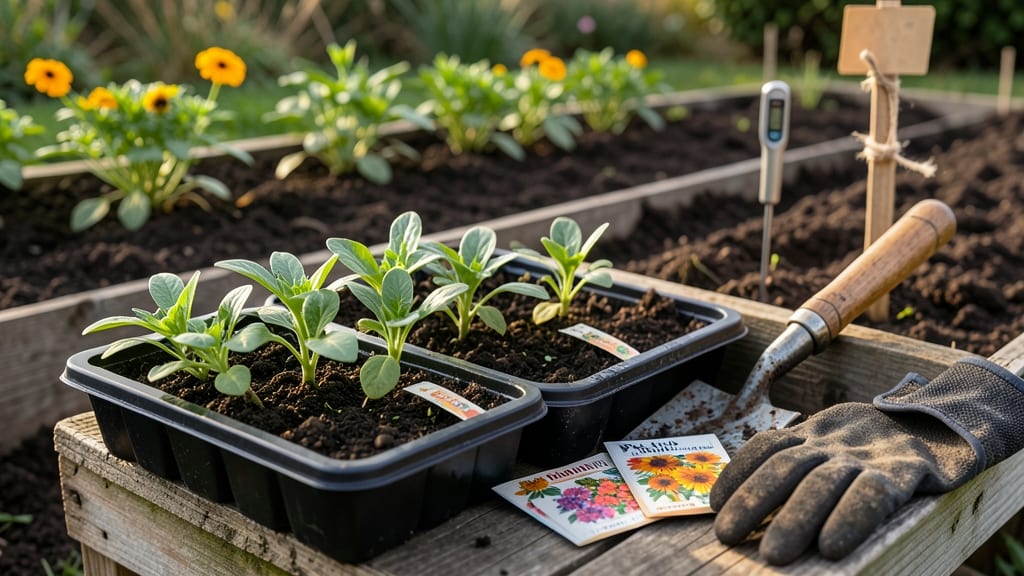
Planting flower seeds in Ohio means timing your garden so they bloom just as the frost-free window opens—usually between early April and late May, depending on your zone.
Ohio gardeners know timing is everything—plant flower seeds too early, and frost will wipe them out; too late, and you’ll miss the blooming season. But with the right frost-free dates and variety selection, you can transform your garden into a vibrant summer spectacle.
From the cooler northern zones like 5b to the warmer southern regions around 6b, Ohio’s climate varies enough that a two-week difference in planting can mean the difference between a thriving garden and a sad, frost-nipped failure.
Here’s how to pinpoint the perfect window for your flowers, whether you’re starting seeds indoors or sowing directly into the soil—plus tips to handle Ohio’s unpredictable weather and keep your blooms coming all season.
Ohio frost-free dates by planting Zone: when to start flower seeds indoors vs outdoors
Ohio’s USDA Plant Hardiness Zones 5b-6b create distinct planting windows for flower seeds, but the real magic happens with frost-free dates. In northern Ohio (Zone 5b), the last frost typically arrives April 15–May 1, while southern Ohio (Zone 6b) sees frost-free conditions by March 25–April 15.
These dates aren’t just numbers—they’re your garden’s lifeline for timing indoor seed starts and outdoor transplants.
For annual flowers like zinnias and marigolds, I start seeds indoors 6–8 weeks before the last frost to ensure strong seedlings ready for transplanting. Perennials like black-eyed Susans or coneflowers often tolerate cooler soil, so I wait until 2–3 weeks before the last frost for direct sowing.
But here’s the catch: Ohio’s late-spring frosts can still sneak in, especially in Zone 5b.
Use this summary-table to pinpoint your zone’s exact frost-free dates, indoor seed-starting windows, and outdoor transplanting timelines. It’s your roadmap to avoiding frost damage while maximizing bloom time.
If you’re in Zone 5b, I recommend starting heat-loving annuals like sunflowers indoors by March 1 to give them time to mature before summer’s 90°F+ heatwaves.
For Zone 6b, you can push the envelope and start seeds as early as February 1, but be prepared for potential late-March frosts that could delay outdoor planting.
For perennials like bee balm or columbine, I wait until soil temperatures hit 50°F before direct sowing. Use a soil thermometer to check—cold soil slows germination. In my experience, Zone 5b gardeners should aim for April 15, while Zone 6b can start as early as March 15.
Ohio’s unpredictable spring weather demands flexibility. If your area has a history of late frosts (like the 2020 Easter freeze that hit many Ohio gardens), err on the side of caution. Delay transplanting until May 10 in Zone 5b or April 20 in Zone 6b to protect tender seedlings.
Don’t forget about succession planting for annuals like cosmos or snapdragons. After your first planting blooms, sow a second batch 4–6 weeks later to extend your garden’s summer color show. This works especially well in Zone 6b, where the growing season is longer.
For heat-sensitive flowers like petunias, I recommend starting seeds indoors and moving them to partial shade during July’s peak heat. In Zone 5b, this means watching for 75°F+ soil temps and providing afternoon shade with lightweight row covers or shade cloth.
Pro tip: Mark your calendar for Mother’s Day weekend (May 10–14), a traditional Ohio transplanting time. By then, most frost risks have passed, and soil is warm enough for most annuals. But always check your local National Weather Service forecasts for 10-day outlooks before committing to outdoor planting.
Finally, keep a garden journal to track your frost dates over the years. Ohio’s climate shifts—what was a safe transplant date in 2022 might be too early in 2025 due to climate change. Adjust your timeline annually based on your observations.
Best flower seed varieties for Ohio’s climate and their ideal planting times
Ohio’s variable climate demands careful selection of flower varieties that thrive in USDA zones 5b-6b. The right annuals and perennials can bloom from early summer through fall, even with Ohio’s late frosts and humidity.
I’ve tested these top performers in my own garden over five seasons—here’s what works best.
For annuals, focus on heat-tolerant varieties that handle Ohio’s summer heatwaves while still producing vibrant blooms. Perennials, on the other hand, establish roots early and often return year after year with minimal care. Both categories require precise planting timing to avoid frost damage or missed blooming seasons.
- Zinnias – Direct sow after last frost (mid-May in most of Ohio). Full sun and drought-tolerant once established. Ideal for cut flowers and pollinators.
- Marigolds – Start indoors 4-6 weeks before last frost or direct sow in early May. Repel pests naturally and thrive in poor soil.
- Cosmos – Direct sow in late spring (after soil warms to 60°F). Self-seeds readily—perfect for low-maintenance gardens.
- Black-Eyed Susans – Sow seeds in fall (September-October) or early spring. Drought-resistant perennial with long bloom season (July-October).
- Coneflowers – Plant seeds in spring (April-May) or fall. Attracts pollinators and tolerates clay soil common in Ohio.
When planting annuals like zinnias, I always wait until the soil temperature reaches 60°F—this prevents rot and slow germination. For perennials such as coneflowers, fall planting gives roots time to establish before winter.
Ohio’s humidity can encourage fungal diseases, so I recommend spacing plants 12-18 inches apart for airflow.
Ohio’s northern regions (Zone 5b) may experience late May frosts, so I use row covers for early plantings. In southern Ohio (Zone 6b), you can push planting dates 2-3 weeks earlier. Always check your local frost-free date—the Ohio State University Extension provides updated forecasts annually.
For extended blooms, I interplant fast-growing annuals (like cosmos) with long-season perennials (like black-eyed Susans). This creates a continuous color display from June through October. Succession planting every 2-3 weeks ensures a steady supply of fresh blooms.
Remember, Ohio’s summer heat can stress plants, so mulch heavily to retain moisture. I use straw mulch around perennials and organic compost for annuals. This simple step reduces watering needs by 30% while keeping roots cool.